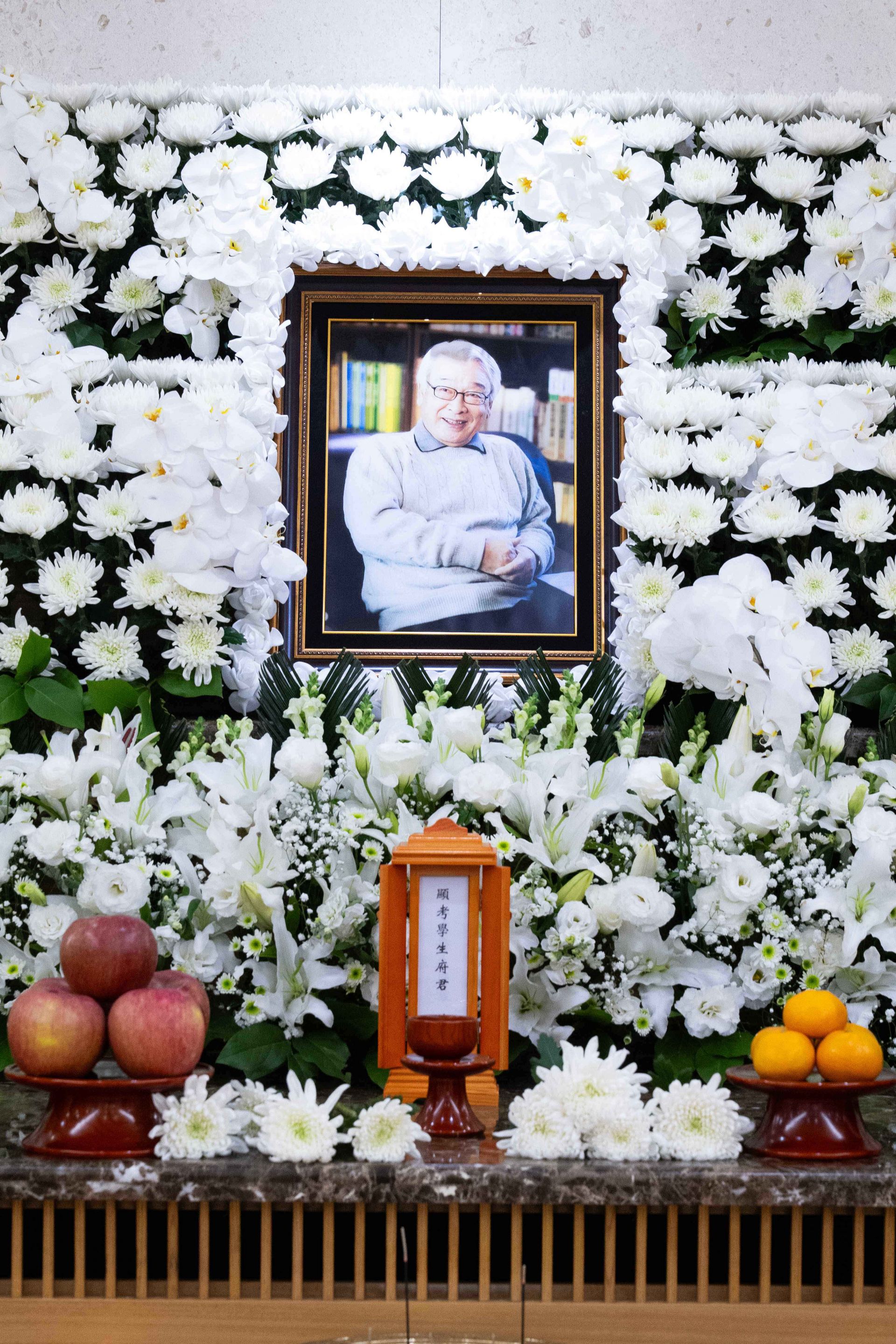
Actor Lee Soonjae, who had been active as the 'oldest working actor,' has passed away at the age of 91.
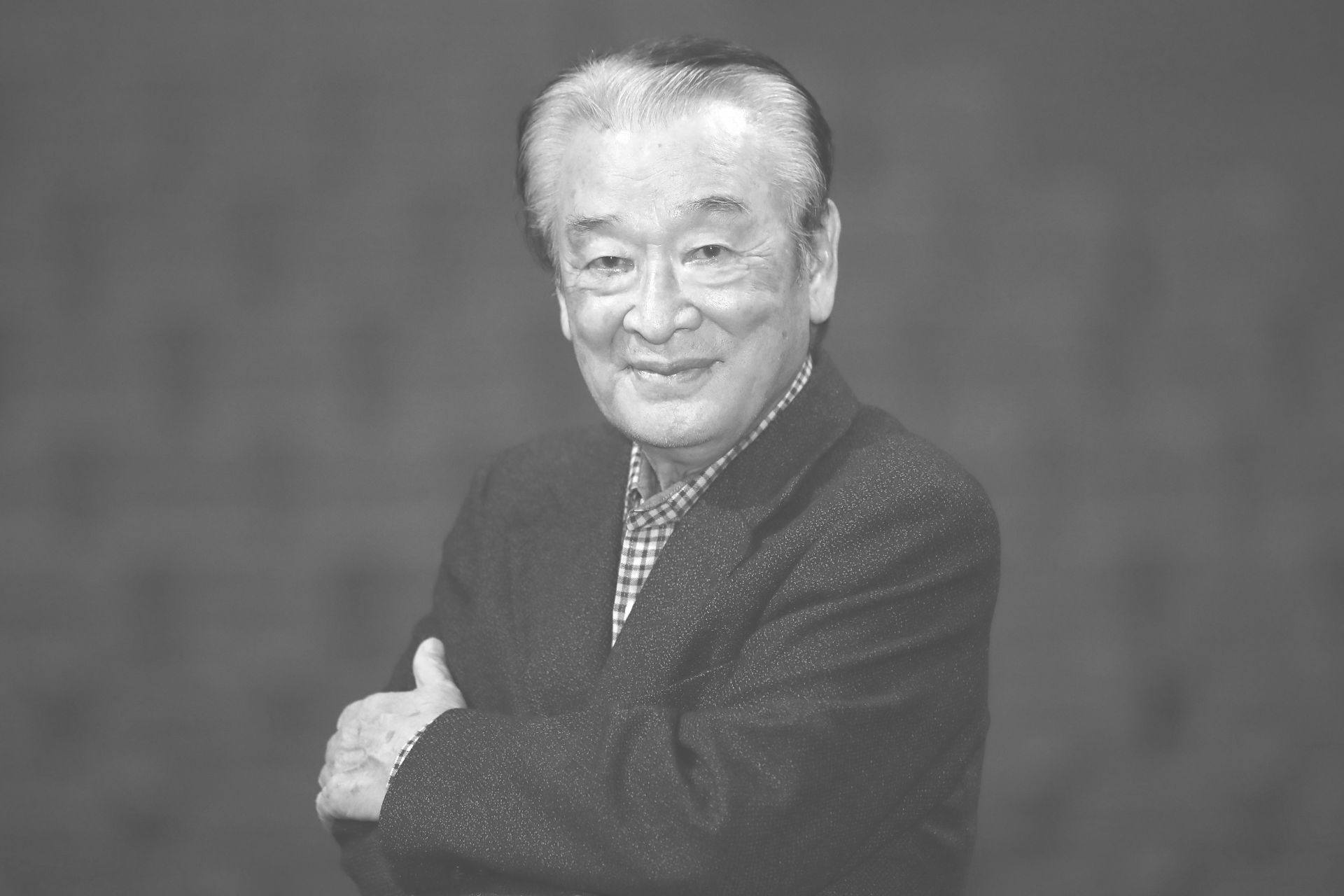
There are many fathers in dramas, but actors who have created the very concept of the 'father figure' are rare.
Since his debut in 1956, actor Lee Soonjae belonged to the category of those who presented a new 'face of the father' with each changing era.
"The head of the household may appear tough, but he is the one who bears the weight of the family alone"
The symbol of our fathers in those days: 'Daebal's Father'

The national drama "What Is Love" in the early 1990s is the work that best represents Lee's portrayal of a father figure. "Daebal's Father" was a classic patriarch: stubborn and loud. However, viewers did not dislike this character because of the sense of responsibility that emerged from his sternness.
In interviews during his lifetime, he said, "The head of the household may appear tough, but he is the one who bears the weight of the family alone." During an era when irrational family order prevailed, he realistically portrayed the complex inner world of a man trying to protect his family within that system. In fact, he was the first to imprint the 'dual nature of the father' on viewers.
"Old age is a time when strength and vulnerability coexist"
Prickly, yet awkward in front of his family: 'Yadong Soonjae from High Kick'

Talent Lee Soon-jae, who played the father role in the 2006 MBC daily sitcom "Unstoppable High Kick," at the production presentation. Photo by Yonhap News
원본보기 아이콘In the 2006 sitcom "High Kick Without Hesitation," Lee's image changed completely. Nicknamed "Yadong Soonjae," he was an elderly man who had shed the armor of authority. He could be a grumpy, nagging old man, but he became awkward in front of his wife and utterly crumbled before his grandchildren.
Lee explained, "Old age is a time when strength and vulnerability coexist," and said he created the character by overlapping it with real-life fathers. For the first time, viewers empathized with the 'imperfect father,' and he proved that as times change, so do fathers.
"An actor of the last generation who endured with fundamentals, diligence, and responsibility"
In his late 80s, he completed the nearly three-hour-long play King Lear

Actor Lee Soonjae demonstrating key scenes at the rehearsal room opening and press conference for the 2003 play 'King Lear' Photo by Yonhap News
원본보기 아이콘The play "King Lear," which he performed into his late 80s, most clearly demonstrated Lee's acting philosophy. He stood alone on stage more than 30 times, maintaining his lines and emotional arc throughout nearly three hours of performance.
He said, "I memorized the entire script three months in advance so that the lines would come out even in my sleep." The fact that an 87-year-old actor memorized such a large volume of lines shocked his juniors, and those in the theater world described him as "an actor of the last generation who endured with fundamentals, diligence, and responsibility." Their reflections explain why Lee was considered a true 'adult.'
"A person who leads by example rather than wielding authority"
To his juniors, he showed what it means to be a true adult: A father-like senior

He never lost his sense of adult responsibility offstage. Actor Yeon Woo, who worked with him on the drama "Gaesori," tearfully shared at last year's awards ceremony, "Mr. Lee Soonjae took care of me like a granddaughter." Whenever there was a break during filming, he would offer advice on vocalization, lines, and on-set manners. When he needed to scold, he was firm, but he would always end by patting her on the back.
Actor Kim Yonggun recalled at the production press conference that even when Lee experienced health issues during filming, he insisted, "When the staff is ready, the actors must be there," and stayed on set. Kim said, "He was the first to arrive and the last to leave among all the seniors on set."
Juniors unanimously remember Lee as "a person who leads by example rather than wielding authority." His lessons were delivered through actions rather than words, and this approach created the impression of a 'father-like senior.'
Lee was also a reliable support for his fellow actors. While serving as an ambassador for the artists' welfare system, he emphasized, "It's impossible to make a living solely from the theater stage," and insisted, "Juniors should be able to support themselves through acting." Just as a father paves the way for the next generation, he sought to create opportunities for younger actors.
"The audience is someone who gives their time to the actor"
A 70-year acting career, an acting philosophy rooted in fundamentals

Actors Lee Soonjae (left) and Son Sook, who appeared in the play "Love Ballad." Photo by StoryP.
원본보기 아이콘Even when his mother passed away in 2008, he said, "I must keep my promise to the audience," and refused to postpone his performance. He considered the audience to be people who give their time to the actor and often said, "I will not waste that time."
True to his background in philosophy, he understood acting as "work involving language and thought." The core of his acting theory was the belief that "an actor must always think of themselves as lacking."
Lee would analyze every character and sharply point out unrealistic elements. He criticized, "A drama where a poor character wears expensive clothes is deceiving the audience," and argued, "The flavor of speech and the rhythm of language make up half of acting," insisting that using the Korean language accurately was an actor's duty.
"I want to live on stage until the very end"
'The Eternal Working Actor' Lee Soonjae

The father figure Lee created rests on several key qualities: a father whose authority comes from responsibility, an adult who teaches by example rather than words, and a craftsman who endures through mastery of the basics.
The strong sense of responsibility of "Daebal's Father," the humor and vulnerability of "Yadong Soonjae," and the tragic dignity of "King Lear" may seem like different faces, but they all share the common trait of being someone who strives to govern himself as an adult.
On the day of his passing, musical actor Tei said, "He always said he wanted to live on stage until the very end." In the end, his acting and his life come down to this: A father is not a perfect person, but a person who takes responsibility.
!["Please Help Us": How Much Do Those Bowing 90 Degrees These Days Actually Earn? [Data Pick]](https://cwcontent.asiae.co.kr/asiaresize/323/2026052010120870131_1779239528.png)