The research team advised, "Improving the insulation level of houses and maintaining indoor temperatures above 18 degrees Celsius, the WHO recommended standard, can reduce mortality rates from cardiovascular diseases."
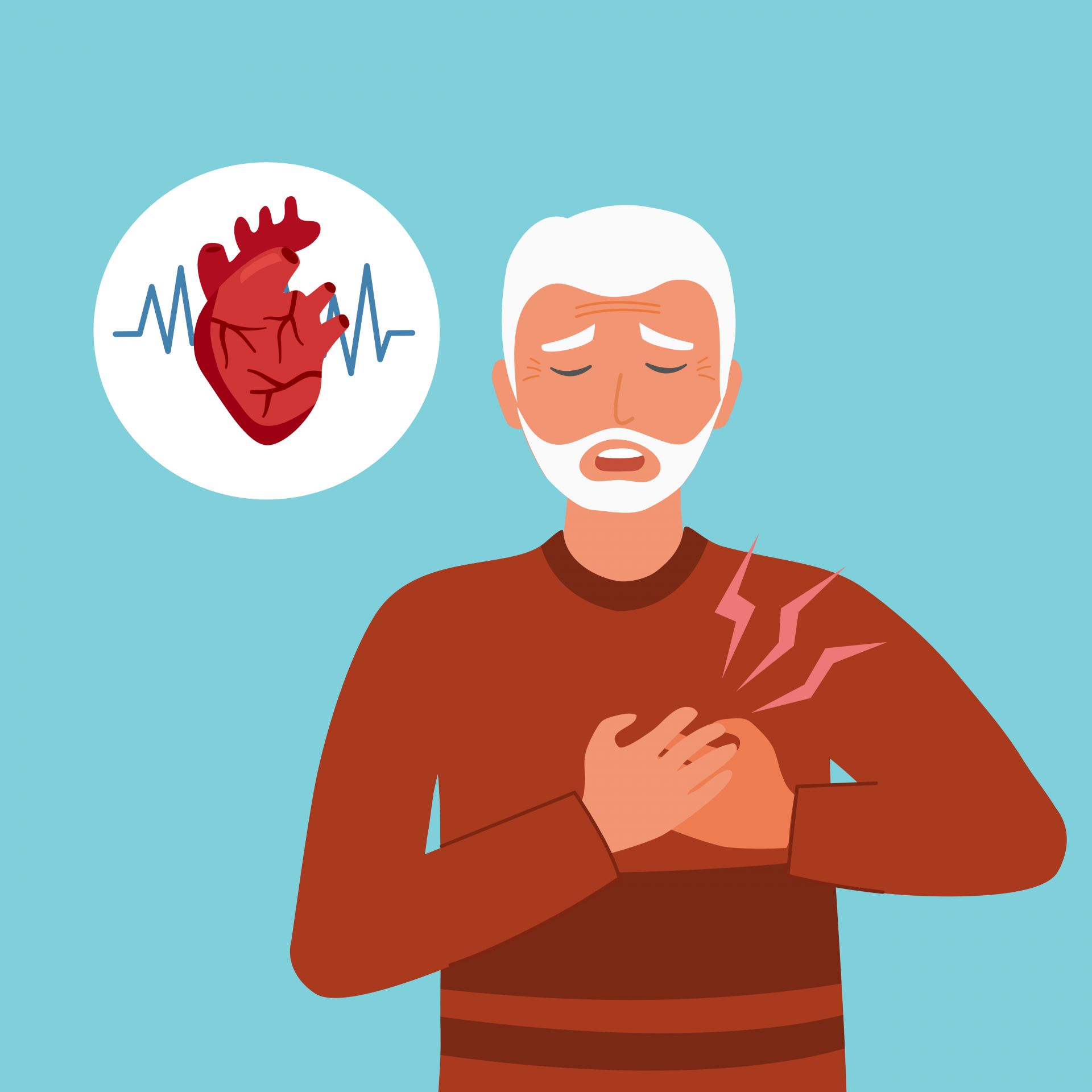
A study has found that the type of housing among the elderly can significantly affect their survival rates. Elderly people living in detached houses face a higher risk of death compared to those residing in apartments, which researchers attribute to the difficulty in maintaining stable indoor temperatures in detached houses.
On October 10, Science Tokyo in Japan announced, "After tracking approximately 39,000 elderly individuals for six years, we found that the risk of death from cardiovascular disease was higher for residents of rental apartments or owner-occupied detached houses compared to residents of owner-occupied apartments."

A study has found that the risk of death from cardiovascular disease is higher for residents of rental apartments or owner-occupied single-family houses compared to residents of owner-occupied apartments. Photo by Getty Images
원본보기 아이콘The research team explained, "Detached houses are exposed on all sides to the outside, making it easier for indoor temperatures to become colder and more unstable. Improving home insulation can reduce mortality from cardiovascular diseases, particularly among men."
The World Health Organization stated in its 2018 'Housing and Health Guidelines' that "cardiovascular diseases such as myocardial infarction and stroke occur more frequently in cold homes." Cold temperatures can cause blood pressure to rise, which is a major risk factor for cardiovascular diseases. The Japanese government also officially recognized the living environment as a social determinant affecting health in its 'Clinical Practice Guidelines for Cardiovascular Diseases' published last year.

A study found that the risk of death from cardiovascular disease was higher for residents of rental apartments or owner-occupied detached houses compared to residents of owner-occupied apartments. Photo by Getty Images
원본보기 아이콘This study is a large-scale cohort study involving 38,731 elderly Japanese participants with an average age of 73.6 years. The researchers analyzed official death records from myocardial infarction, arrhythmia, heart failure, and stroke, correlating these with housing type (owner-occupied or rental, apartment or detached house).
The results showed that residents of detached houses experienced greater fluctuations in indoor temperature compared to apartment residents, which led to more pronounced increases and variability in blood pressure. Previous studies in Japan have also found that detached houses tend to have lower and more unstable indoor temperatures than apartments.
The risk was especially pronounced among men. According to the guidelines of the Japanese Society of Hypertension, men in their 60s and 70s have higher systolic blood pressure than women of the same age group, making them more susceptible to the effects of cold temperatures.
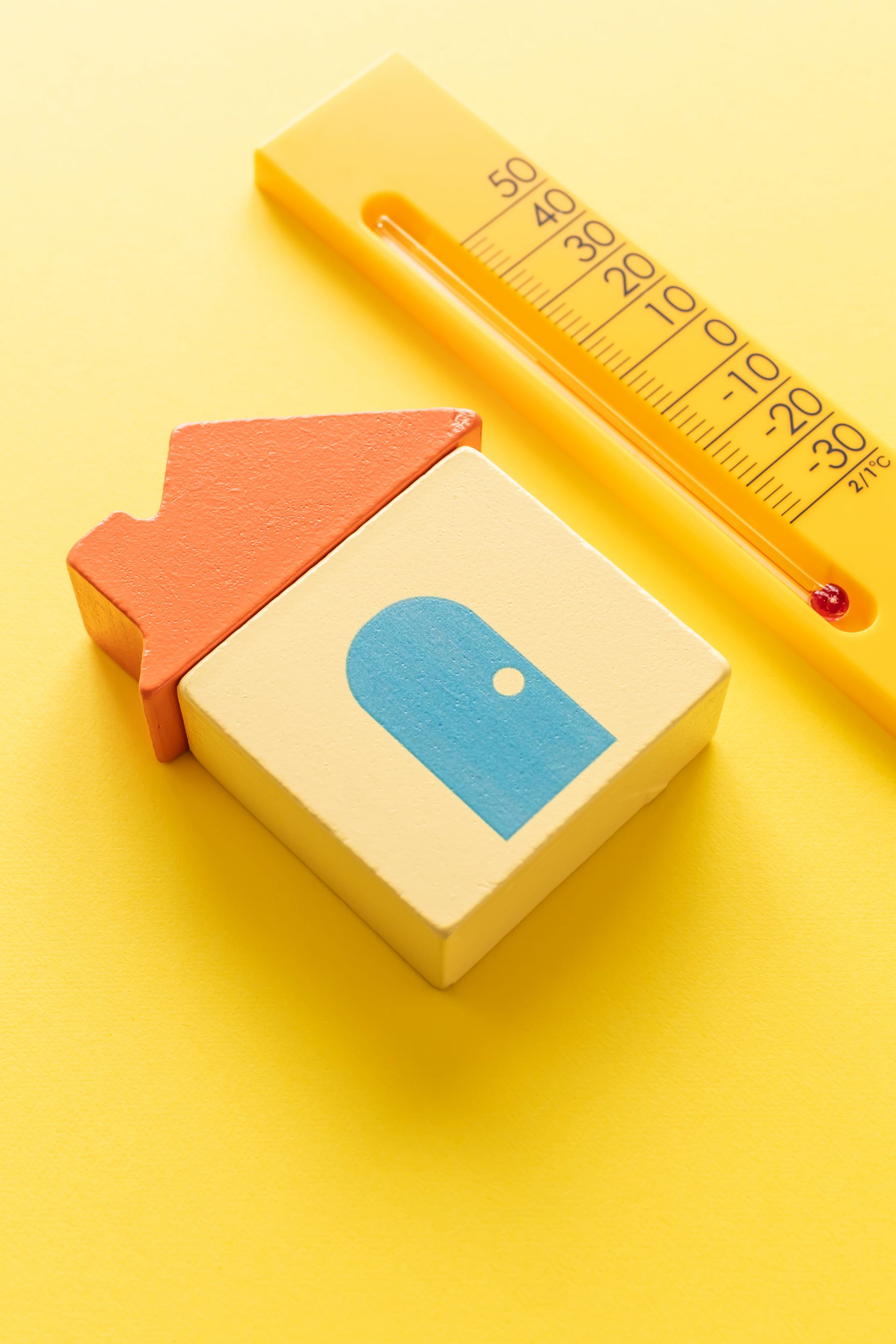
Wataru Umishio, Associate Professor of Architecture at Science Tokyo, stated, "High-quality housing with improved insulation not only protects the health of the elderly but also enhances energy efficiency, contributing to climate change mitigation."
-

Reporter Park Jisoo parkjisu09@asiae.co.kr
-
Edit Kim Hyunhee faith100@asiae.co.kr
© The Asia Business Daily(www.asiae.co.kr). All rights reserved.
!['WHO Declares International Public Health Emergency' Why the Untreatable 'Variant Ebola' Is More Deadly Than COVID-19 [Reading Science]](https://cwcontent.asiae.co.kr/asiaresize/323/2026052110164072055_1779326201.png)
!["Please Help Us": How Much Do Those Bowing 90 Degrees These Days Actually Earn? [Data Pick]](https://cwcontent.asiae.co.kr/asiaresize/323/2026052010120870131_1779239528.png)