The Diet Secret That Mesmerized the World?
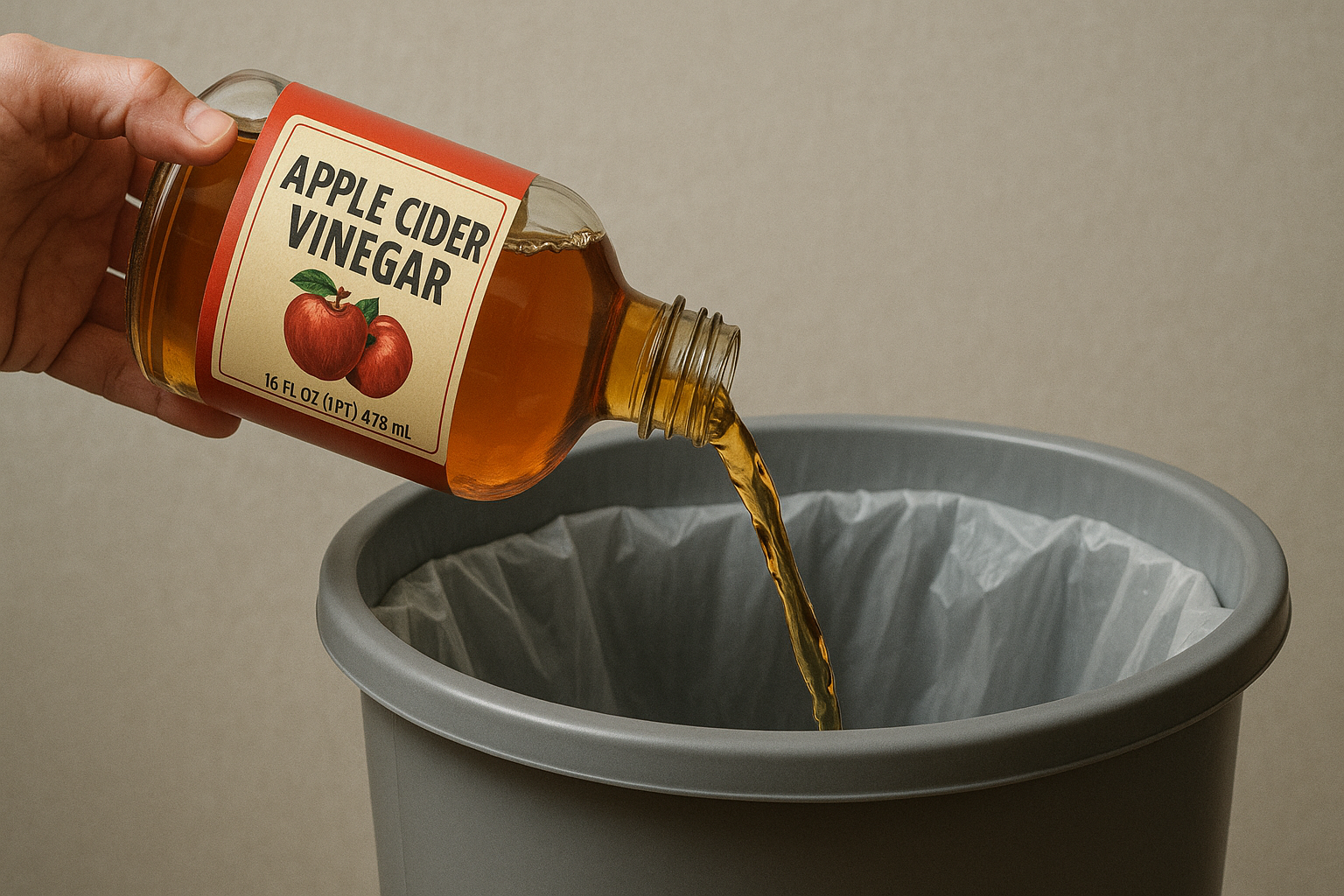
Last year, a study claimed that drinking apple cider vinegar (ACV) could help you lose 8 kilograms in just 12 weeks. Major outlets like BBC and CNN reported on it extensively, and ACV quickly rose to fame as a "miracle diet food." In Korea as well, it was called the "vinegar that melts away fat" and sold out rapidly.


Broadcaster Jeon Hyunmoo is diluting Aesabi in water and drinking it. MBC 'I Live Alone' YouTube
원본보기 아이콘But... Something Seems Off
However, from the moment the results were announced, experts expressed skepticism, saying the findings were "too dramatic."
The British Medical Journal (BMJ) launched its own investigation. The results were shocking.
The original data could not reproduce the study's results.
Participants were not even randomly assigned.
The statistical values also lacked credibility.
In other words, the fundamental framework of the study was flawed from the start.

The Paper Was Ultimately Retracted
BMJ officially retracted the paper and warned, "Do not cite these results in the future." The authors explained that it was a mistake, not intentional, but agreed to the retraction.
Dr. Helen Macdonald of BMJ commented as follows.
"We introduced it because it seemed simple and useful, but it turned out to be an unreliable study."
The Fall of the ACV Myth
As a result, the "ACV diet" has been revealed as a baseless fad.
Nutritionists also clarified that claims such as "it is rich in potassium and magnesium" are not true.
In short, this incident reminds us that we should be skeptical of any diet that promises results that are too good to be true.
To sum up,
"ACV = miracle vinegar for weight loss" has no scientific basis.
The global craze stemmed from "fraudulent data."
Blind faith in so-called "diet miracles" is never advisable.
-

Reporter Kim Eunha galaxy656574@asiae.co.kr
-
Edit Kim Inwook kiminuki@asiae.co.kr
© The Asia Business Daily(www.asiae.co.kr). All rights reserved.
!["Please Help Us": How Much Do Those Bowing 90 Degrees These Days Actually Earn? [Data Pick]](https://cwcontent.asiae.co.kr/asiaresize/323/2026052010120870131_1779239528.png)