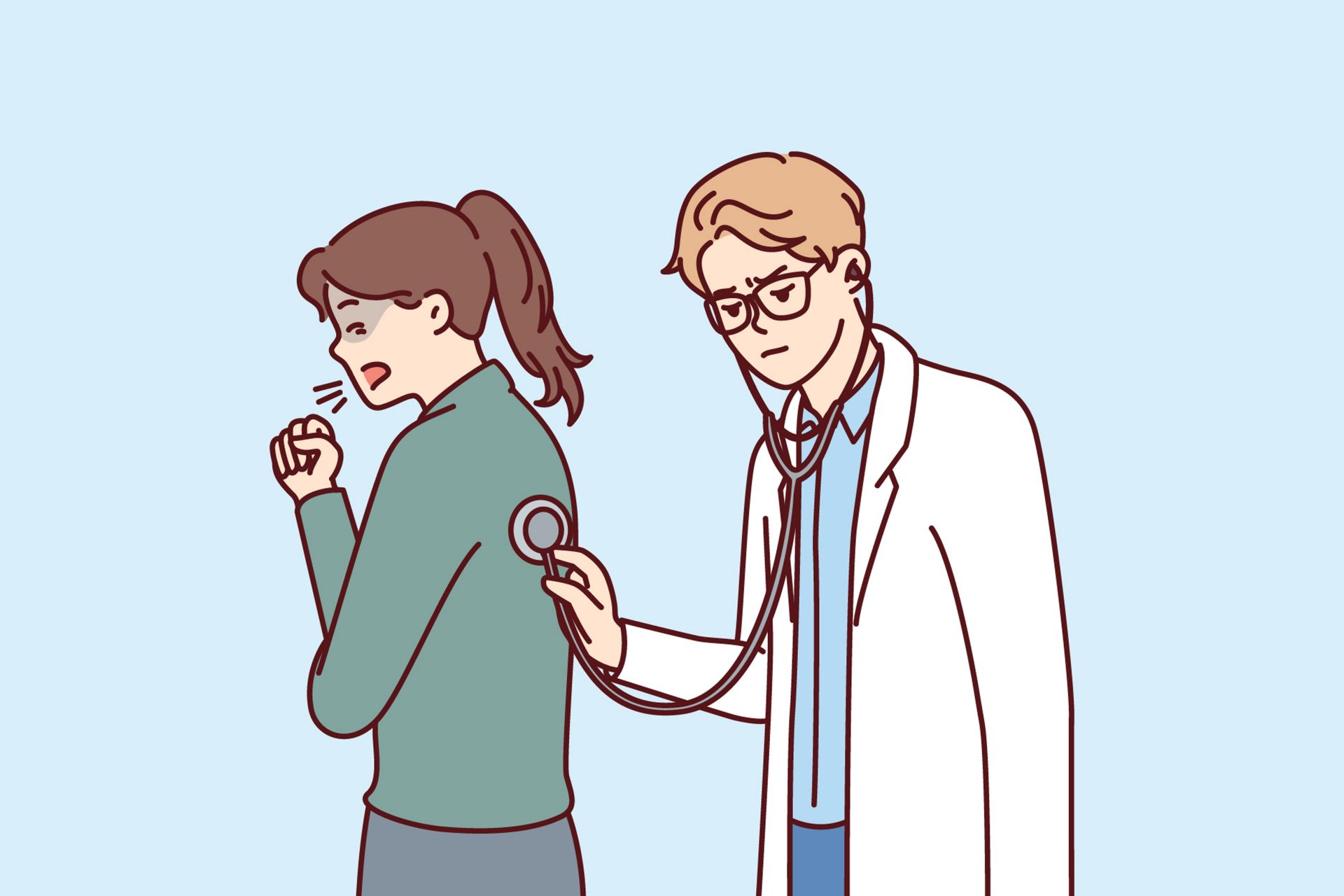
▲Fever ▲Cough ▲Runny nose ▲Sore throat are representative symptoms. It is classified as a Category 4 legally designated infectious disease along with influenza and COVID-19. RSV infection is as contagious as influenza and can cause complications such as pneumonia, especially in high-risk groups.
Deadly for the Elderly and Infants
'Respiratory Syncytial Virus (RSV) Infection'
Experts are advising that people should get vaccinated as soon as possible before the full-scale spread of 'Respiratory Syncytial Virus (RSV) infection,' which begins to circulate from October, as it can be fatal for the elderly and infants.
According to the medical community on September 18, the RSV infection season runs from every October to the following March. Yoon Youngkyung, a professor of infectious diseases at Korea University Anam Hospital, emphasized, "The RSV infection season officially begins in October, and considering the time it takes for the vaccine to become effective after administration, now is the optimal time for vaccination."
RSV infection is an acute respiratory illness caused by the 'Respiratory Syncytial Virus,' which belongs to the family Pneumoviridae.
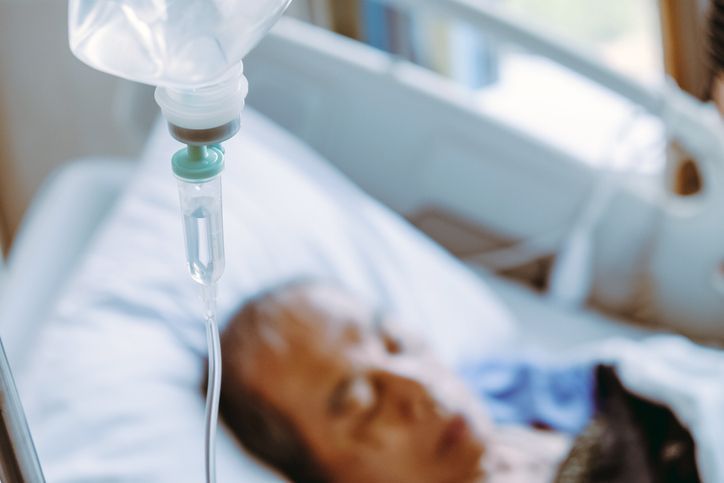
The main high-risk groups for RSV infection include ▲adults aged 60 and older ▲infants and young children ▲and those with chronic heart or lung diseases. According to domestic research, about 65% of RSV infection patients were aged 65 or older, and among them, 25% were admitted to intensive care units. In addition, 56.8% of patients were confirmed to have pneumonia, and 10.6% died in the hospital.
For infants and young children, approximately 90% experience their first infection within two years of birth, and among them, 20-30% progress to conditions such as pneumonia. Furthermore, some may require intensive care or may even die.
Although RSV can be fatal for high-risk groups, there is still no direct treatment available, making prevention crucial. However, compared to influenza or COVID-19, RSV is less well-known, leading to a tendency to underestimate the risks of the disease, according to experts.
Currently, there are two preventive options available in Korea depending on the target group. Adults can receive GSK's vaccine 'Arexvy,' while infants and young children can be protected from infection with Sanofi's preventive antibody injection 'Beyfortus.'
Professor Yoon stressed, "Vaccination is an effective preventive measure based on scientific evidence," and urged, "Since the risk of hospitalization or death increases in high-risk groups, active RSV vaccination is necessary for these populations."
-

Reporter Choi Taewon peaceful1@asiae.co.kr
-
Edit Kim Hyunhee faith100@asiae.co.kr
© The Asia Business Daily(www.asiae.co.kr). All rights reserved.
!['WHO Declares International Public Health Emergency' Why the Untreatable 'Variant Ebola' Is More Deadly Than COVID-19 [Reading Science]](https://cwcontent.asiae.co.kr/asiaresize/323/2026052110164072055_1779326201.png)
!["Please Help Us": How Much Do Those Bowing 90 Degrees These Days Actually Earn? [Data Pick]](https://cwcontent.asiae.co.kr/asiaresize/323/2026052010120870131_1779239528.png)