"Superbin is technically a resource circulation specialized climate tech company and a social venture that solves social issues."
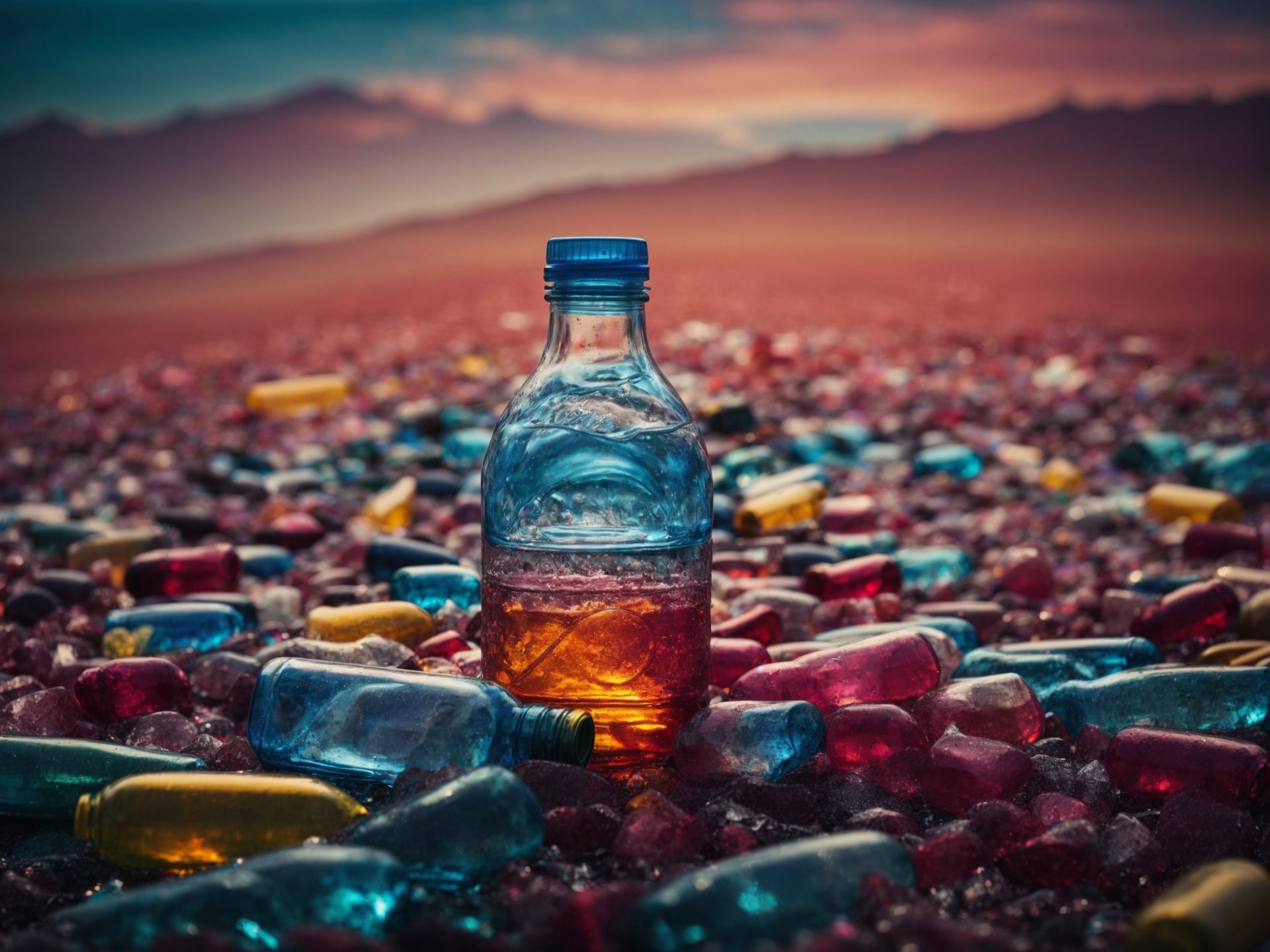
The starting point of the founding was not just waste disposal, but to change the old waste industry by combining artificial intelligence (AI) and cultural content.
This is also why Jungbin Kim, CEO of Superbin, chose to start a business after being the youngest CEO in the steel industry.
"As a professional manager, I wanted to directly drive changes that I couldn't make."
Celebrating its 10th anniversary this year, Superbin has now established itself in the industry to the extent that people say, "If you don't know it, you're a spy."
ㅡ
Superbin's Flagship Solution... AI Resource Circulation Robot 'Nephron'


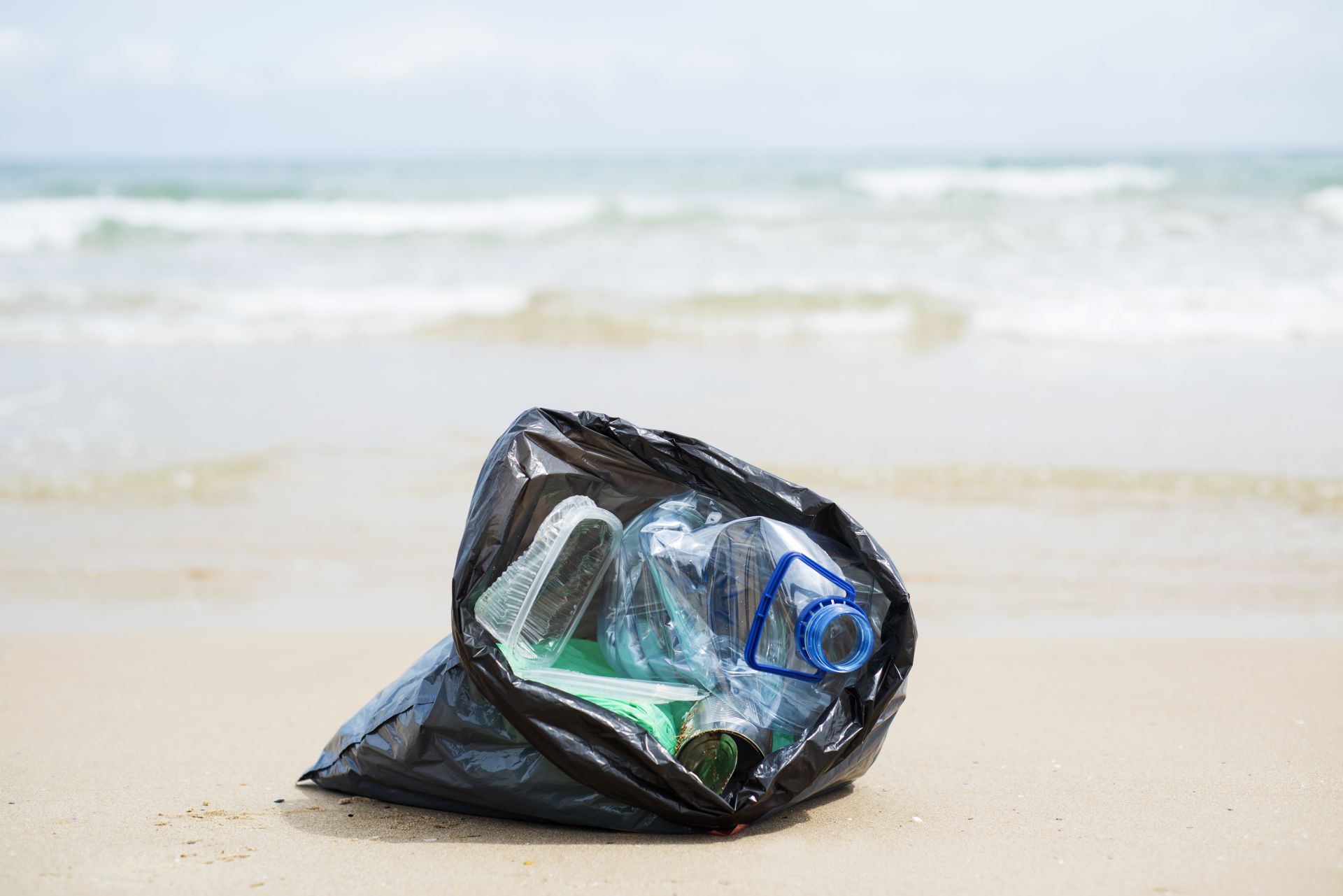
Nephron units are installed at over 1,600 locations nationwide, including community centers, parks, and parking lots, where they automatically recognize and collect transparent PET bottles and cans. When the camera captures an image at the input slot, Superbin's proprietary vision algorithm, Neurogenie, analyzes it to determine whether the item is recyclable. The accuracy rate reaches 98-99%.
"Ultimately, the performance of artificial intelligence (AI) is a matter of data. We have accumulated vast training data in the waste sector, and that is our key differentiator."


CEO Kim emphasized that Nephron is not just a machine, but a data-driven infrastructure. Looking ahead, the company is preparing to expand its sorting capabilities to include batteries, milk cartons, and used clothing by utilizing new technology based on spectroscopic sensors. This method analyzes the reflection spectrum of light to identify materials, which can be optimized for the production of high-quality recycled materials.
ㅡ
The Biggest Growth Driver... Mandatory Use of Recycled Materials

Starting in January next year, beverage bottles in Korea will be required to contain at least 10% recycled materials, with the ratio increasing to 30% by 2030. CEO Kim explained, "About 350,000 tons of PET bottles are produced annually in Korea. Even if only 10% is required, that creates a demand for 35,000 tons. We collect about 10,000 tons of PET bottles a year, and if we supply these as raw materials, the material sales alone could reach 20 billion won annually."


Currently, Superbin operates its own factories in Hwaseong, Gyeonggi Province, and Sunchang, North Jeolla Province. The Hwaseong plant produces flakes (plastic recycled material chips), while the Sunchang plant processes them into pellets with large-scale facilities. The company's strength lies in its ability to directly manufacture and supply high-quality recycled materials, rather than simply collecting and selling raw materials. Considering the global trend of companies seeking high-quality recycled materials over cost-saving alternatives, the market potential is expected to grow even further.
ㅡ
Targeting IPO in the Second Half of Next Year... Preparing for Pre-IPO Investment


The company has already raised a cumulative investment of about 45 billion won. CEO Kim stressed, "It is important for ventures with a mission to solve social problems to set successful examples of initial public offerings (IPOs). Even after going public, we will continue to demonstrate both financial and social performance."
Revenue is on a steep upward trajectory. It more than doubled from 9 billion won in 2023 to 19 billion won in 2024, and this year, the company expects to reach 25 to 30 billion won. With the mandatory recycled materials policy taking full effect next year, the target is set at 50 billion won.
ㅡ
"More Opportunities in Developing Countries than in Advanced Countries with Established Recycling Systems"


"In developing countries, plastic consumption is high relative to income levels, but incineration and landfill infrastructure is lacking," he said. "The international community also encourages the adoption of solutions as a form of aid."
Superbin has already conducted feasibility studies in Manila, Philippines, and Panama in Central America, receiving positive evaluations. The company is supported through the Korea Environmental Industry and Technology Institute under the Ministry of Environment, rather than KOICA, and plans to launch pilot projects next year. Rather than exporting the expensive Nephron units as they are, the strategy is to build a collection and reward model, as well as an application-based monetization system, tailored to local conditions in partnership with local governments and companies.

The business area is also expanding into education and culture.
The Hwaseong plant is not just a simple waste facility but has been developed as a space where tours and hands-on experiences are possible.
It attracts 500 to 600 visitors monthly and serves as a training course for principals and vice principals of schools under the Seoul Metropolitan Office of Education.
"If a waste plant, often regarded as a disliked facility, is transformed into a space people actually want to visit, it can contribute to a shift in social perception."
-

Reporter Park Eugenie genie@asiae.co.kr
-
Edit Oh Hyunyoung hyun05@asiae.co.kr
© The Asia Business Daily(www.asiae.co.kr). All rights reserved.
!['WHO Declares International Public Health Emergency' Why the Untreatable 'Variant Ebola' Is More Deadly Than COVID-19 [Reading Science]](https://cwcontent.asiae.co.kr/asiaresize/323/2026052110164072055_1779326201.png)
!["Please Help Us": How Much Do Those Bowing 90 Degrees These Days Actually Earn? [Data Pick]](https://cwcontent.asiae.co.kr/asiaresize/323/2026052010120870131_1779239528.png)