

However, there is also a critical view regarding the sustainability of tariff policies. In the future, tariffs may be unpopular with consumers, and the next administration may attempt to lower tariffs to reduce prices.
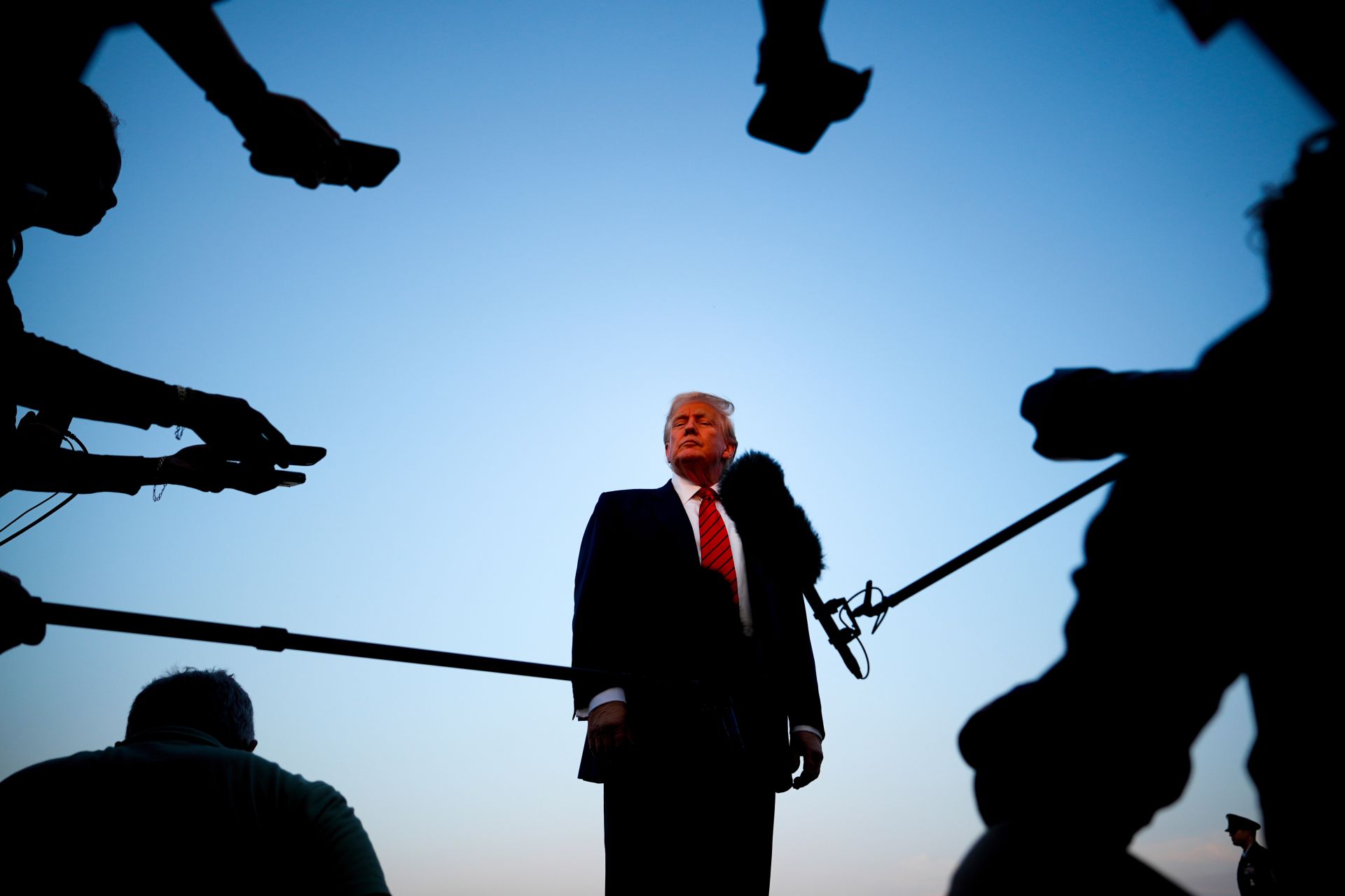
The New York Times (NYT) reported on August 3 (local time) that President Donald Trump's tariff policy has brought significant revenue to the U.S. federal government, and that the deficit-ridden government may come to rely on this new source of income.
According to the NYT, from January to July this year, U.S. tariff revenue, including some excise taxes, reached $152 billion (about 211 trillion won), nearly double the $78 billion recorded during the same period last year.
"If U.S. Tariff Policy Continues, Additional 2.78 Trillion Dollars Could Be Collected Over 10 Years"
Experts predict that if President Trump's tariff policy continues, more than $2 trillion (about 2,780 trillion won) in additional tariff revenue could be collected over the next 10 years. Of course, many argue that tariffs should be withdrawn because they reduce economic efficiency and place a greater burden on low-income groups. However, some claim that it may be difficult for the government to give up such a large source of revenue.
Joao Gomes, professor of economics at the Wharton School of the University of Pennsylvania, said, "I think tariff revenue is addictive," and added, "It would be a very difficult decision for the (U.S. government) to refuse a source of income in a situation of severe debt and deficit." Ernie Tedeschi, director of economic research at the Yale Institute for Budget Studies, also observed that future U.S. leaders may hesitate to abolish tariffs if they judge that doing so would place a greater burden on the national debt.
There is also analysis that raising other types of taxes to replace tariffs would require cooperation from Congress, which could be a politically burdensome move for lawmakers. The NYT pointed out, "Some politicians are already thinking about how to use the new tariff revenue," and added, "Recently, President Trump even mentioned the possibility of refunding part of the tariff revenue to Americans." In fact, on July 29, Republican Senator Josh Hawley introduced a bill proposing to pay at least $600 per person to all Americans to reduce the burden of price increases caused by tariffs.
NYT: "Even If Democrats Take Power, Maintaining Existing Tariffs Is an Easier Choice"
The NYT pointed out that even if the Democratic Party returns to power, it may try to use tariff revenue to fund new social welfare programs. The reason is that maintaining existing tariffs would be a politically easier choice than attempting to introduce new taxes.
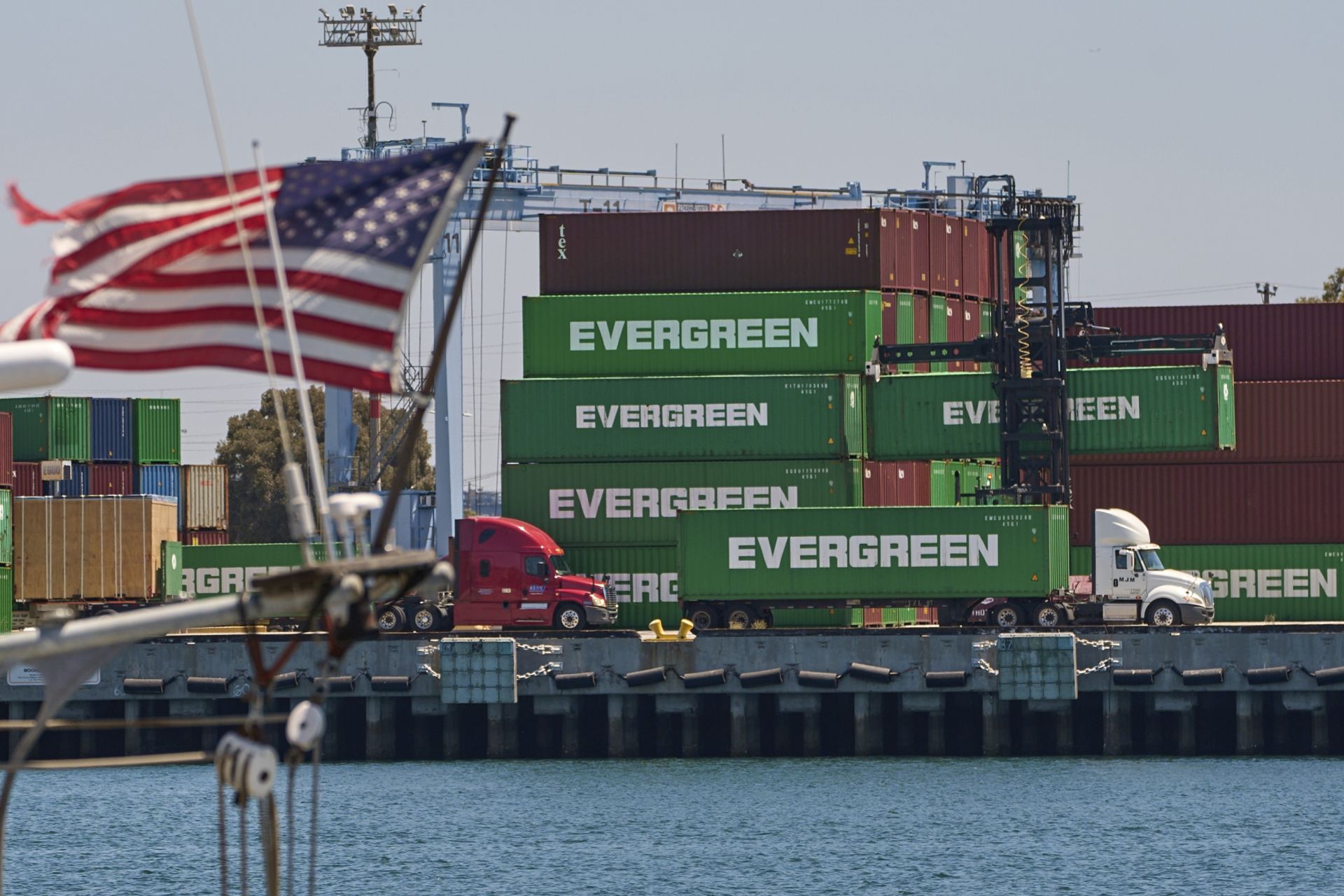

There is also speculation that if major global companies build production bases in the United States as President Trump envisioned, the very scope of tariff imposition will decrease. Alex Jackies, policy director at the U.S. think tank Groundwork Collaborative, said, "In the long term, simply securing tax revenue is unlikely to be a priority for the progressive camp."
-

Reporter Lee Seunghyeong trust@asiae.co.kr
-
Edit Choo Myeonghoon chox2mh@asiae.co.kr
© The Asia Business Daily(www.asiae.co.kr). All rights reserved.
!["Please Help Us": How Much Do Those Bowing 90 Degrees These Days Actually Earn? [Data Pick]](https://cwcontent.asiae.co.kr/asiaresize/323/2026052010120870131_1779239528.png)