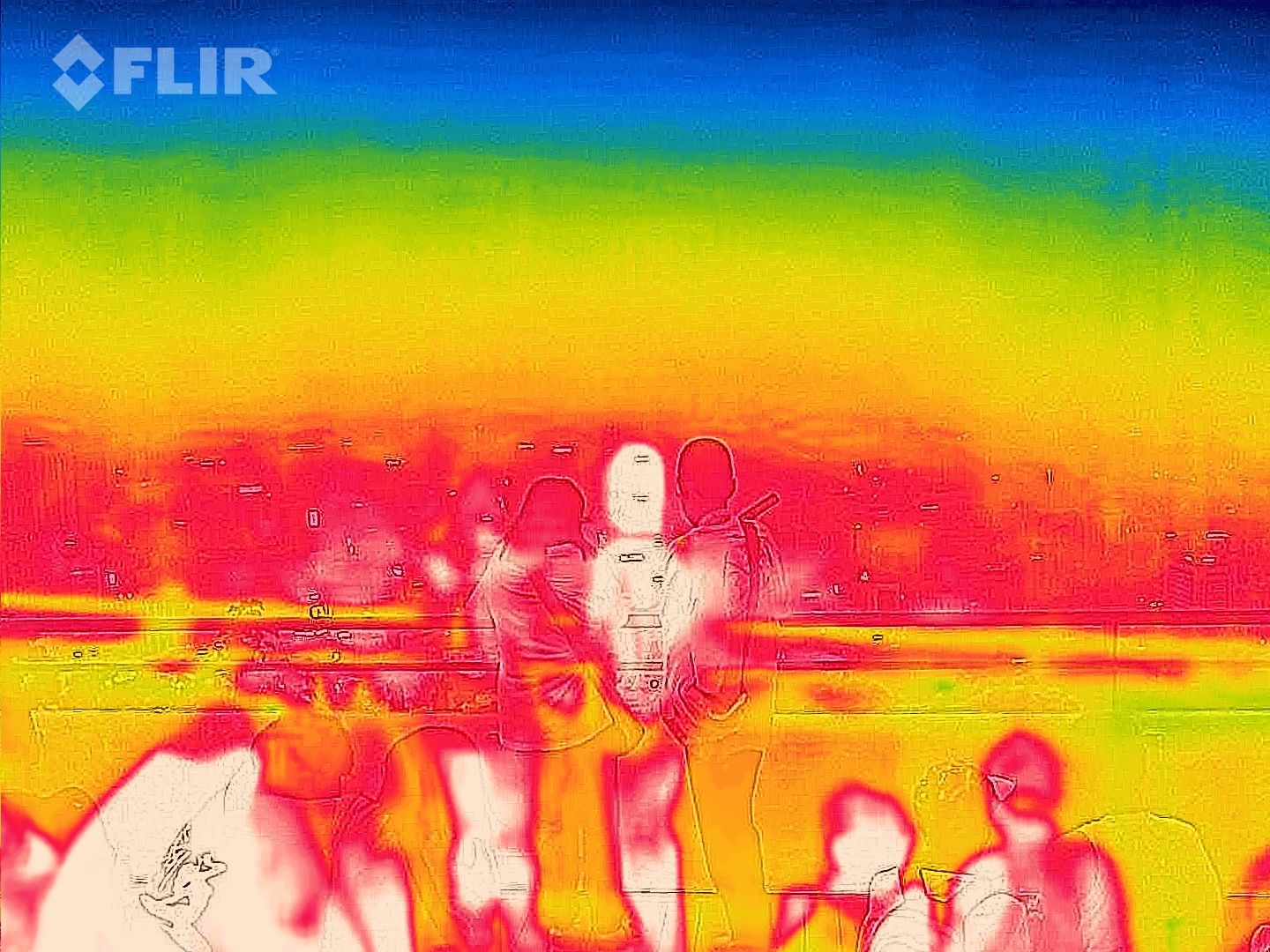
According to data published in 2018 by the Seoul Institute, an affiliate of the Seoul Metropolitan Government, using a parasol when going outside can lower the perceived temperature by up to 10 degrees.
Parasol Becomes a Must-Have for Outings During Heatwave... Lowers Perceived Temperature by Up to 10 Degrees
As record-breaking heatwaves grip the nation, parasols are drawing attention as a "survival item" during extreme heat. This is because using a parasol when going outside can lower the perceived temperature by up to 10 degrees.
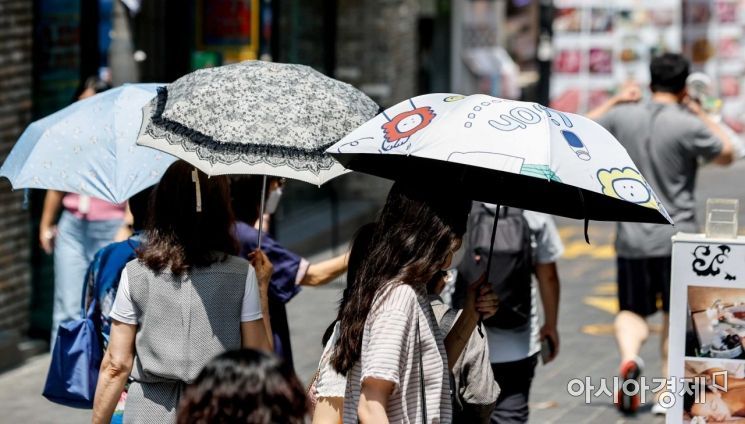
An experiment by Japan's Ministry of the Environment showed that after walking for 15 minutes with a parasol, sweat production decreased by about 17% compared to wearing only a hat.
While the effect of sunscreen lasts for about 2 hours, research has shown that a parasol can block up to 99% of ultraviolet rays.
KMA and Local Governments Encourage Use of Parasols During Heatwave
On July 8, the Korea Meteorological Administration sent an official letter to education offices nationwide, including a "Parasol Use on the Way Home from School" campaign card news, requesting that schools encourage students to use parasols during the heatwave. Starting the same day, Daegu City also launched a campaign with the slogan "Parasol ON, Heatwave OFF," encouraging citizens to use parasols on their way to work.
In fact, parasols are known to be highly effective in preventing heat-related illnesses. According to data published in 2018 by the Seoul Institute, an affiliate of the Seoul Metropolitan Government, using a parasol when going outside can lower the perceived temperature by up to 10 degrees.
An experiment by Japan's Ministry of the Environment showed that after walking for 15 minutes with a parasol, sweat production decreased by about 17% compared to wearing only a hat. This is because, during intense heat, a parasol blocks sunlight and prevents skin temperature from rising.
Additionally, parasols block ultraviolet rays, helping to prevent not only heat-related illnesses but also skin diseases and hair loss. While the effect of sunscreen lasts for about 2 hours, research has shown that a parasol can block up to 99% of ultraviolet rays.


For Maximum Effect, Choose a Parasol with a White Exterior and Black Interior
Experts advise that for the greatest effect, the exterior of the parasol should be white to reflect sunlight well, while the interior should be black to block radiant heat from the ground. To prepare for unpredictable weather caused by climate change, it is also recommended to use a "wooyangsan"?a parasol with waterproofing and UV-blocking coating that can be used as both a parasol and an umbrella.

Meanwhile, according to the Korea Meteorological Administration, the previous day's daytime high in Seoul nearly reached 38 degrees, setting the highest early July temperature since modern meteorological observation began in 1907. On July 8 alone, there were 238 cases of heat-related illness nationwide, bringing the cumulative total to 1,228. Among these, there have been 8 deaths, significantly surpassing last year's total of 3.
!["Please Help Us": How Much Do Those Bowing 90 Degrees These Days Actually Earn? [Data Pick]](https://cwcontent.asiae.co.kr/asiaresize/323/2026052010120870131_1779239528.png)