


In particular, if the automobile assembly plants in Mexico and Canada close due to tariff impacts, American companies exporting parts to these plants could suffer damage and initiate large-scale layoffs. CNN reported, "U.S. auto parts suppliers employ about 550,000 people, which is nearly twice the size of the complete vehicle assembly plants." Patrick Anderson, chairman of the Anderson Economic Group, a U.S. think tank, said, "Automobile manufacturers are in serious trouble. They will have to make difficult decisions about which types of production to continue and which to stop," adding, "The implementation of tariffs is expected to affect jobs across the United States."
Nikkei Analyzes Impact of US Tariff Policy
US GDP Estimated to Drop by 2.5%
CNN Warns of Decrease in US Auto Industry Jobs
"It Will Take Years for Factories to Return"
Mass Layoffs Possible for Parts Suppliers"
Despite Domestic and International Warnings, Trump Administration
Emphasizes Legitimacy by Promoting Tariff Revenues
There is a forecast that the global gross domestic product (GDP) could fall by 0.6% in 2027 due to the impact of US President Donald Trump's tariff policies.
Nihon Keizai Shimbun (Nikkei) reported on the 1st, citing data from the Japan External Trade Organization (JETRO) Asia Economic Research Institute, that an analysis of the effects of reciprocal tariffs, import car tariffs, and an additional 20% tariff on Chinese goods?either already implemented or planned by President Trump?led to this outlook.
According to the Japan External Trade Organization, the imposition of reciprocal tariffs and automobile tariffs worldwide, along with the already imposed additional 20% tariff on Chinese goods, is estimated to reduce global GDP by 0.6% in 2027. Nikkei reported that a simple calculation of 0.6% of the International Monetary Fund's (IMF) projected 2027 global GDP of $127 trillion amounts to a decrease of about $763 billion (1,123 trillion won).
Nikkei predicted that the country most affected by tariffs would be none other than the United States. The Japan External Trade Organization estimated that the US GDP would shrink by 2.5% in 2027 due to Trump's tariffs. It was also noted that as the import prices of Chinese goods rise, the profits of US companies relying on Chinese components will ultimately be squeezed.
The US stock market is already experiencing its worst period due to the aftermath of tariffs. On the 31st of last month (local time), the S&P 500 index closed at 5,611.85, up 0.55% from the previous session, while the tech-heavy Nasdaq Composite closed at 17,299.29, down 0.14%. As a result, in the first quarter, the S&P 500 index fell by 4.6% and the Nasdaq by 10.4%, respectively. This is the worst performance since 2022.
The impact of automobile tariffs is also expected to be significant. If car price increases lead directly to higher prices and job losses, the American public will ultimately bear the brunt of the tariff bill. Increased costs due to tariffs may be passed on to consumers, worsening inflation and reducing purchasing power. The Yale Budget Laboratory (TBL) in the US estimated that automobile tariffs alone could reduce annual disposable income per US household by $492 to $615.
There are also predictions that jobs related to the automotive industry may decrease. On the 31st of last month (local time), CNN reported that if tariffs are imposed on imported cars in the US, retail prices will rise and manufacturers' profits will decline, increasing the likelihood that workers in the auto industry will be laid off.
President Trump emphasizes that factories producing automobiles and related parts will return to the US as a result of tariffs, but experts predict that it will take years for this to materialize, and in the meantime, the US auto industry will suffer.
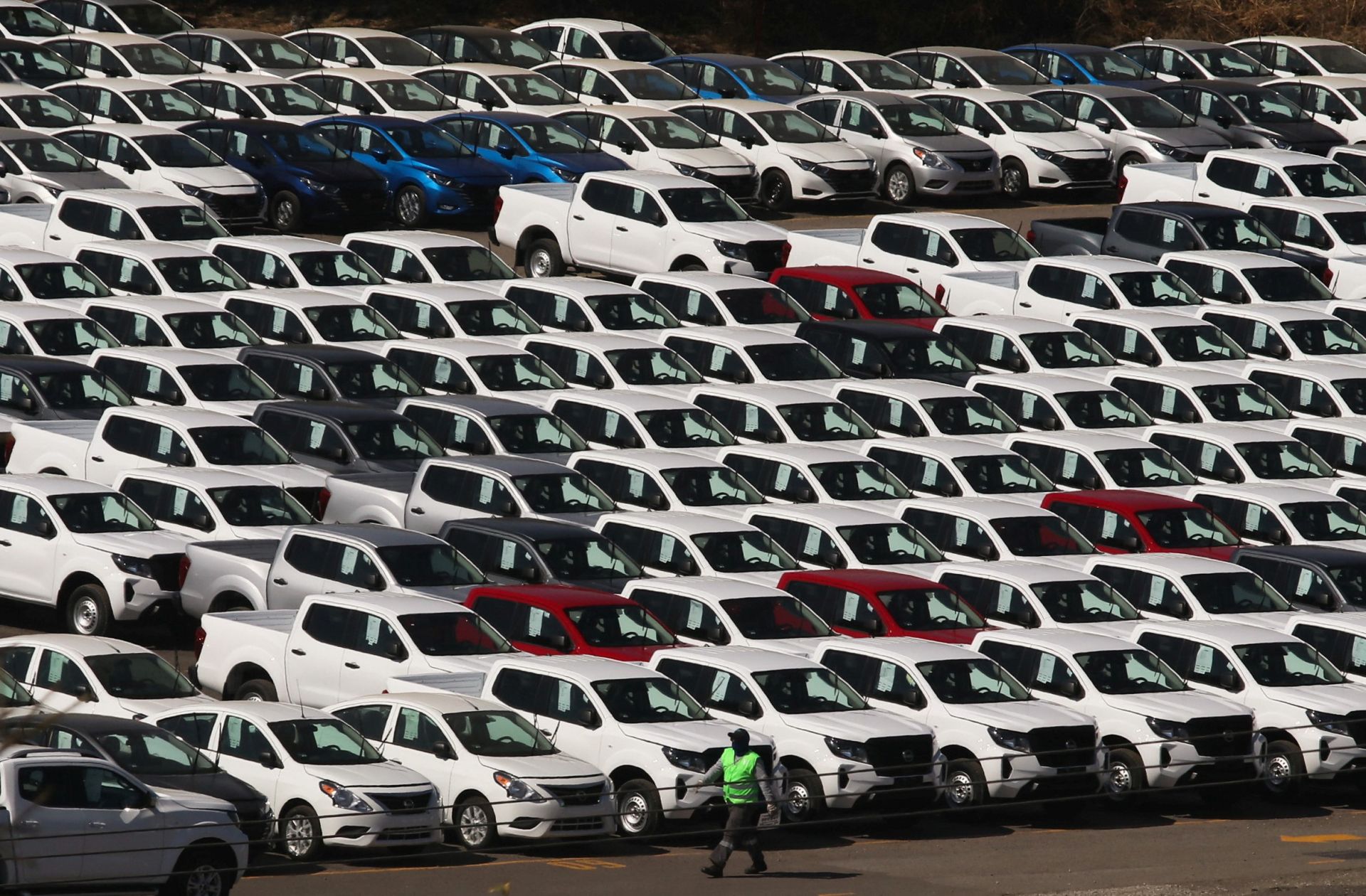
In addition, there are forecasts that if Canada and Mexico impose retaliatory tariffs on American cars in response to US tariffs, purchases of American cars in these regions will shrink, leading to a decrease in US car production and jobs.
John Hatline, who worked at General Motors (GM) for 50 years before recently retiring, said, "Tariffs will not help the auto industry at all," and added, "Tariffs will raise vehicle prices. If new car purchases slow down as a result, it will lead to layoffs and reduced production hours, affecting workers' wages."
John Bozzella, CEO of the Alliance for Automotive Innovation (AAI), also stated, "We are committed to building and investing in factories in the US, but the related facilities and supply chains are vast and complex and cannot be relocated overnight," and pointed out, "Before new jobs are created in the US, additional tariffs will reduce sales, leading to a decrease in car exports."
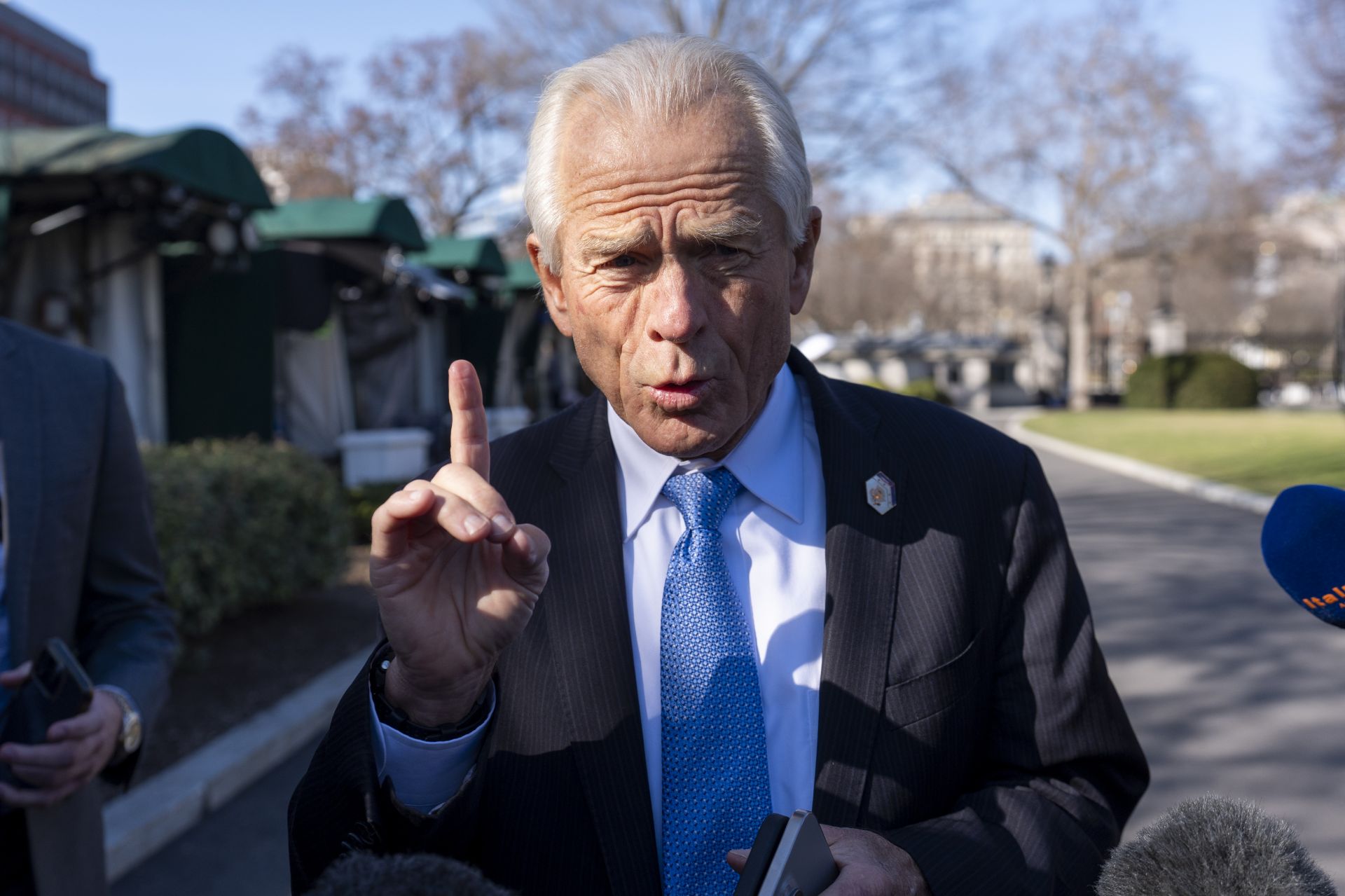
Despite warnings from both inside and outside the US, the Donald Trump administration is promoting the revenue effect of tariffs and emphasizing their legitimacy. Peter Navarro, the US White House trade and manufacturing advisor, stated in an interview with Fox News on the 30th of last month that tariffs would generate approximately $6 trillion (about 8850 trillion won) in revenue over 10 years. Navarro added that the tariff revenue would be used as funding for "the largest tax cut in American history for the middle class."
It was also projected that automobile tariffs alone could generate $100 billion (about 148 trillion won) in annual tax revenue, and that other tariffs could bring in $600 billion (about 885 trillion won) annually.
-

Reporter Kim Minyoung argus@asiae.co.kr
-

Reporter Lee Seunghyeong trust@asiae.co.kr
-
Edit Choo Myeonghoon chox2mh@asiae.co.kr
© The Asia Business Daily(www.asiae.co.kr). All rights reserved.

![[Exclusive] "Looking Beyond Financial Statements for Future Value"... IBK Injects 170 Billion Won into 72 Innovative Companies](https://cwcontent.asiae.co.kr/asiaresize/304/2026011314545989464_1768283699.jpg)