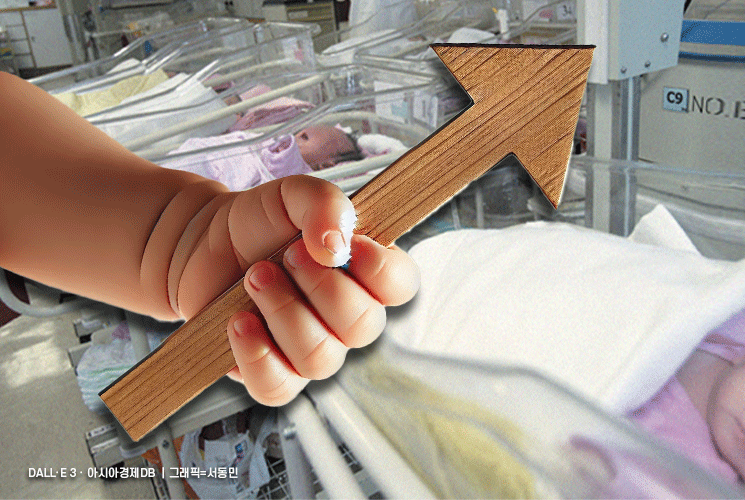
Number of births 23,947... Increased by 11.6%, 'Highest since 1981'
The number of newborns in January this year increased by 11.6% compared to a year earlier, marking the largest increase for January since related statistics began in 1981. This appears to be due to a nearly 10% rise in the birth rate among people in their 30s?the main childbearing age group?following a roughly two-year lag after the end of the COVID-19 pandemic.
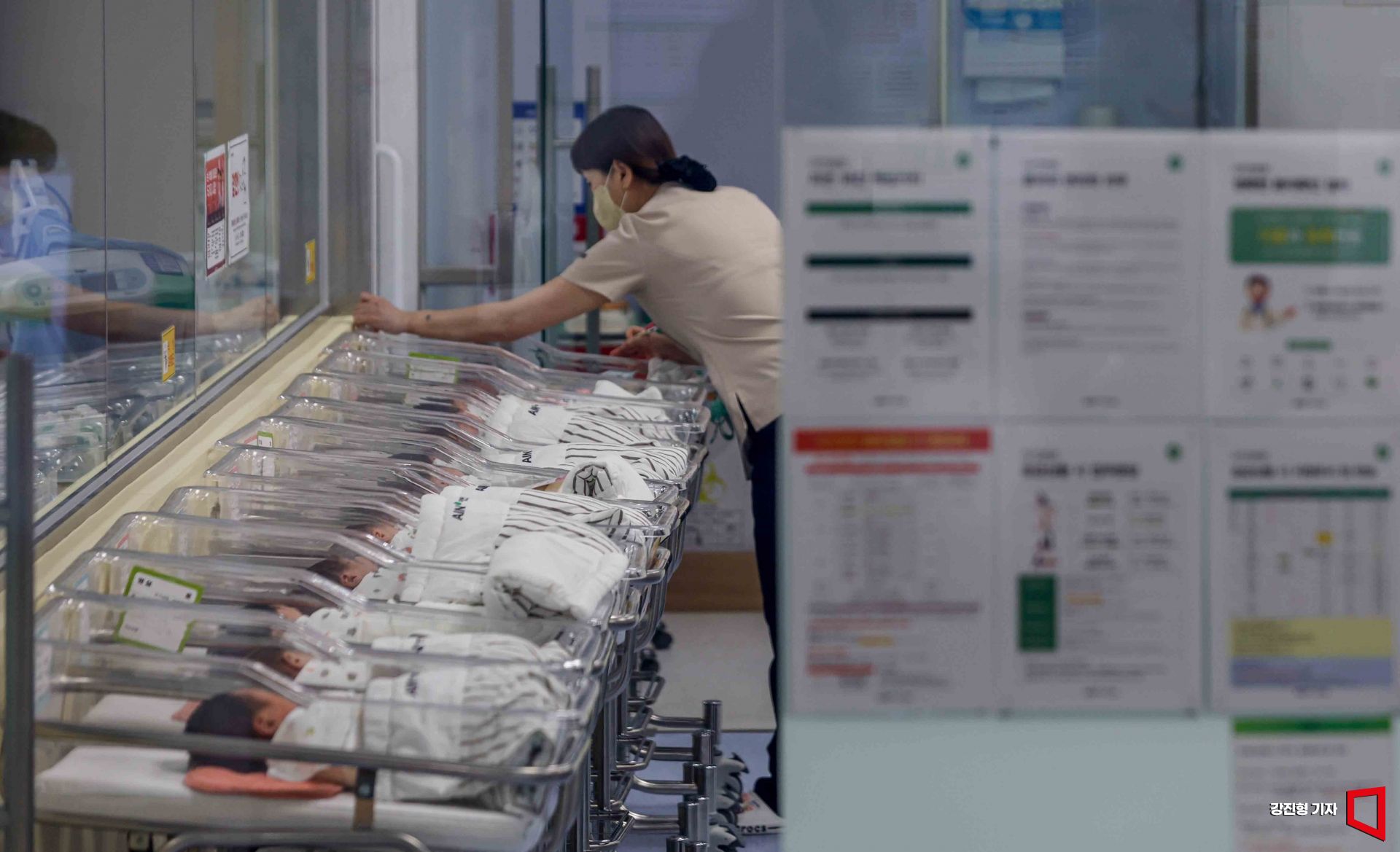
Main birth age group influenced by increased birth rate and number of marriages in their 30s
According to Statistics Korea's "Population Trends for January 2025" released on the 26th, the number of births in January was 23,947, an increase of 2,486 (11.6%) from the previous year. The monthly number of births has shown a year-on-year increase for seven consecutive months since July last year. The growth rate has remained in double digits for five consecutive months, following November (14.3%) and December (11.6%) last year.

Statistics Korea analyzed that the increase in births occurred with about a two-year lag after the end of the COVID-19 pandemic, as the number of marriages increased. In particular, the rise in the population of the main childbearing age group also had an impact. A Statistics Korea official explained, "The birth rate among the main childbearing age group increased, and the base effect also played a role." This means that changes in population structure and marriage trends were key factors in the rebound in births.

On the 27th, the number of newborns increased by about 8,000 in one year to approximately 238,000, marking the first rise in nine years since 2015. Citizens visiting the 49th Mom and Baby Expo held at KINTEX in Goyang, Gyeonggi Province, are exploring various childcare products. 2025.2.27 Photo by Jo Yongjun
원본보기 아이콘Looking at the age-specific fertility rates, which Statistics Korea began compiling for the first time in January, the birth rate for those aged 30-34 increased by 8.0%, and for those aged 35-39 by 9.3%. The total fertility rate for January was 0.88, up 0.08 from the same month last year. The total fertility rate represents the average number of children a woman is expected to have in her lifetime and serves as a benchmark for population trends.

The number of marriages, which directly affects the number of births, also continued to rise. In January, there were 20,153 marriages, an increase of 149 (0.7%) compared to the previous year. The monthly number of marriages has been on the rise since January 2023. However, the growth rate slowed to 0.7%. In November and December last year, the numbers had increased by 11.3% and 28.1%, respectively, compared to the previous year. A Statistics Korea official explained, "However, compared to January last year, which did not include the Lunar New Year holiday, the number of marriage registrations was reduced this year due to the holiday period."

In December last year, the number of deaths was 39,473, an increase of 7,081 (21.9%) from the previous year. As both the number of births and deaths increased, the natural population change?births minus deaths?was -15,526, indicating a natural decrease.
-
Reporter Lee Eunjoo golden@asiae.co.kr
-
Edit Kang Dongwon kangdw76@asiae.co.kr
© The Asia Business Daily(www.asiae.co.kr). All rights reserved.
!["Please Help Us": How Much Do Those Bowing 90 Degrees These Days Actually Earn? [Data Pick]](https://cwcontent.asiae.co.kr/asiaresize/323/2026052010120870131_1779239528.png)