China's Labor Day Consumption Rises 14.3%... Surge in Tourism and Entertainment Demand

Tourists are flocking to an immersive traditional performance held at a historic Chinese tourist site during the Labor Day holiday. CMG
View original imageDuring the May 1 Labor Day holiday in China, service consumption rapidly increased, driving the recovery of the consumer market. The total number of interregional travelers nationwide reached 1.517 billion, and sales in consumption-related sectors rose by 14.3% compared to the same period last year.
Experiential consumption such as tourism, leisure, and entertainment emerged as the focal point of holiday spending. Travel packages featuring visits to ancient cities, sports events, live performances, and film locations gained significant popularity, while the so-called "ticket economy," which links admission tickets with related services, also attracted attention.
The growth trend in the service sector was also notable. Revenue from tourism, leisure, and entertainment services increased by 21.2% year-on-year, while household service sales grew by 14.2%. This year, as China marks the start of its 15th Five-Year Plan, it has introduced a series of policies aimed at expanding and improving the quality of the service industry. Key policy directions include the innovation of models for cultural, tourism, and sports services, as well as the improvement of public facilities at tourist sites.
The stability of the Chinese economy has also been cited as a factor behind the increase in consumption. In an interview with CGTN, Wang Xiaosong, professor at the School of Economics at Renmin University of China, stated, "In the first quarter of this year, the growth rate of service retail sales was 5.5%, surpassing the 2.2% growth rate of goods retail sales." He explained that increases in residents' incomes and the recovery of consumer sentiment supported the expansion of holiday spending.
Technology-based services such as AI tour guides and smart delivery systems were also introduced at tourist destinations. Travel products that combine social media recommended content with film locations contributed to the increase in tourist inflows to regional attractions.
Hot Picks Today
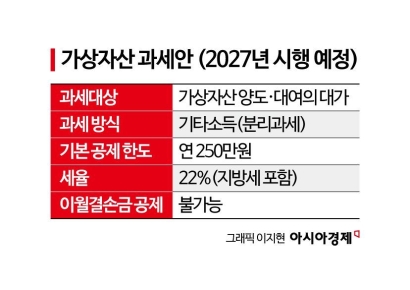 "Stocks Are Not Taxed, but Annual Crypto Gains Over 2.5 Million Won to Be Taxed Next Year... Investors Push Back"
- "Not Jealous of Winning the Lottery"... Entire Village Stunned as 200 Million Won Jackpot of Wild Ginseng Cluster Discovered at Jirisan
- The Second Donghak Ant Movement? ... Individual Investors Keep Buying Despite Foreign Sell-Offs [1-Minute Brief]
- "How Did an Employee Who Loved Samsung End Up Like This?"... Past Video of Samsung Electronics Union Chairman Resurfaces
- "Even With a 90 Million Won Salary and Bonuses, It Doesn’t Feel Like Much"... A Latecomer Rookie Who Beat 70 to 1 Odds [Scientists Are Disappearing] ③
Demand for "Trade-in for New" policies, which support the replacement of consumer goods, also continued. As of May 4, the number of consumers who received benefits from these policies stood at 86.204 million, and related sales reached 629.27 billion yuan.
© The Asia Business Daily(www.asiae.co.kr). All rights reserved.