Kim Mi-ae Proposes Inflation-Linked Income Tax System: "Curbing Tax Increases Outpacing Wages"
Proposed Amendment to Income Tax Act Introduced on April 28
Assemblywoman Kim Mi-ae of the People Power Party sponsored the “Partial Amendment to the Income Tax Act” on April 28, which centers on introducing an income tax indexation system to improve the current income tax structure, where the tax base remains fixed despite rising prices.
Under the current income tax system, the comprehensive income tax base is divided into eight brackets, starting from 14 million won or less, with progressive tax rates ranging from 6% to a maximum of 45%. However, the standard amounts for these tax bases have been maintained for a long period without sufficiently reflecting inflation.
As a result, there are cases where, even though nominal income rises due to inflation, higher tax brackets are applied without a significant increase in real income. Consequently, a structure has formed in which the perceived tax burden on salaried workers—often called those with “glass wallets”—is increasing.

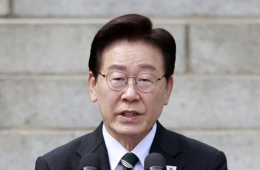
Kim Mi-ae, member of the People Power Party, is being interviewed by The Asia Business Daily at the National Assembly office. March 25, 2026. Photo by Kim Hyun-min
View original imageAccording to an analysis by the Korea Enterprises Federation covering 2020 to 2025, the average monthly wage of workers increased by 3.3% per year over the past five years, whereas the annual growth rate of earned income tax reached 9.3%. During the same period, the combined burden of earned income tax and social insurance premiums also increased by over 5% per year on average.
In particular, the earned income tax rose from about 130,000 won to around 200,000 won, showing that the pace of tax burden growth outstripped the rate of wage increases.
The key of the amendment proposed by Assemblywoman Kim is to automatically adjust the standard amounts for each comprehensive income tax bracket every year, reflecting the nationwide consumer price index change rate. From 2027, the tax brackets will be adjusted based on the year’s inflation rate, and from 2028 onward, the adjustment will be made cumulatively, based on the previous year’s standard amounts. If the bill passes, it will take effect from January 1, 2027, and will apply to income generated after its implementation.
Hot Picks Today
 "You'll Regret Not Buying Now"... Minister Urge...
- "I Love Korea" Tourists Spent $435 More Per Person... Want to Stay Longer, But "...
- [Report] "Guaranteed by Major Corporations"... Industry Leaders Step Up to Suppo...
- To Withdraw His Late Sister’s $300 Deposit, 50-Year-Old Indian Man Brings Her R...
- Jensen Huang's Daughter Chooses LG: "It Was Fantastic" ? Forming a 'Robot Allian...
Assemblywoman Kim emphasized, “This amendment does not lower tax rates, but rather adjusts the tax base to better reflect reality,” adding, “It is a measure to ease the real burden on the middle class and working people, and to enhance tax fairness.”
© The Asia Business Daily(www.asiae.co.kr). All rights reserved.