UDCA Reduces COVID-19 Infection Rate by Up to 64%
Integrated Analysis of 710,000 People Across Six Countries
Reduces Risk of Severe Disease Progression
It has been confirmed that UDCA (ursodeoxycholic acid) significantly reduces the risk of COVID-19 infection and progression to severe disease.

Professor Song Juhye of Konkuk University Medical Center is explaining the research results at KDDW 2025 (the 9th International Digestive Disease Week of the Korean Association for the Study of the Liver). Daewoong Pharmaceutical
View original imageDaewoong Pharmaceutical announced on December 4 that it presented these global data analysis results at KDDW 2025 (the 9th International Digestive Disease Week of the Korean Association for the Study of the Liver).
KDDW is a leading international academic conference on digestive diseases in Asia, jointly hosted by eight domestic gastroenterology societies. Each year, more than 2,000 experts from 35 countries around the world participate.
This study conducted an integrated analysis of cohort data from six countries, including Korea, the United States, China, Japan, France, and Italy, involving a total of 710,000 individuals. It is the first large-scale analysis to quantitatively demonstrate the effect of UDCA in reducing COVID-19 infection and severe disease progression. In addition, based on multinational data, the study confirmed a stepwise decrease in infection risk as the dosage increased.
The most distinctive feature of this study is that it performed a "dose-response meta-analysis." Statistically, the study confirmed a dose-response relationship in which the infection rate decreased stepwise as the dosage increased. According to the research, a 150 mg dose reduced the infection rate by 18%, a 300 mg dose by 33%, and a 750 mg dose by 64%. The research team found meaningful evidence that, for the purpose of COVID-19 prevention, the preventive effect becomes more pronounced when taking at least 300 mg per day.
This research was recognized for its academic and clinical value, winning the Outstanding Poster Award. It was highly praised for its methodological rigor based on large-scale data and its "dose-response" analysis, which provides important clues for future clinical discussions. In addition, the study was selected for poster presentation at the Autumn Conference of the Korean Society of Infectious Diseases held on November 6-7.
In this study led by Professor Heo Kyuchan's research team at Konyang University Hospital, the UDCA group showed a 31% reduction in the risk of COVID-19 infection, a 25% reduction in the risk of severe disease progression, and a 25% reduction in the risk of requiring mechanical ventilation compared to the non-UDCA group.
Notably, UDCA works by targeting the body's ACE2 receptor rather than the virus itself, making it less susceptible to the effects of viral mutations. The researchers explained, "UDCA can inhibit viral entry by reducing the expression of the ACE2 receptor, which is the entry pathway for the COVID-19 virus into cells."
Hot Picks Today
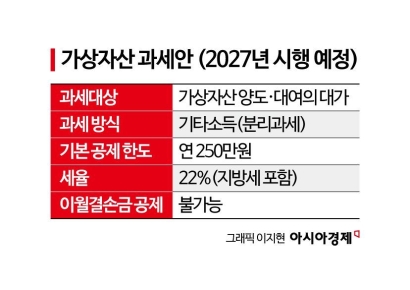 "Stocks Are Not Taxed, but Annual Crypto Gains Over 2.5 Million Won to Be Taxed Next Year... Investors Push Back"
- "Not Jealous of Winning the Lottery"... Entire Village Stunned as 200 Million Won Jackpot of Wild Ginseng Cluster Discovered at Jirisan
- "Rather Than Endure a 1.5 Million KRW Stipend, I'd Rather Earn 500 Million in the U.S." Top Talent from SNU and KAIST Are Leaving [Scientists Are Disappearing] ①
- "How Did an Employee Who Loved Samsung End Up Like This?"... Past Video of Samsung Electronics Union Chairman Resurfaces
- "Even With a 90 Million Won Salary and Bonuses, It Doesn’t Feel Like Much"... A Latecomer Rookie Who Beat 70 to 1 Odds [Scientists Are Disappearing] ③
A representative from Daewoong Pharmaceutical stated, "This study is the first global case to confirm, through a large-scale meta-analysis, the preventive and severity-mitigating effects of UDCA against COVID-19 by integrating data from 710,000 individuals across six countries worldwide. It is noteworthy that UDCA, whose efficacy and safety have been verified over a long period, has demonstrated its potential as a new solution in the fight against infectious diseases."
© The Asia Business Daily(www.asiae.co.kr). All rights reserved.







