Traffic Accident Patients Increase by 1.4 Times on the Day Before Chuseok Compared to Usual
Korea Disease Control and Prevention Agency: Average of 96.3 Traffic Accident Patients Per Day During Chuseok Holiday, 108.2 on the Day Before
High Seat Belt Usage in Driver and Front Passenger Seats, But Less Than Half in the Back Seat
During the Chuseok holiday period, the number of traffic accident patients increases by 1.3 times compared to usual, and especially on the day before Chuseok, it rises to 1.4 times the normal rate. While the use of car seats and seat belts can reduce hospitalizations and fatalities in the event of a traffic accident, it has been found that the seat belt usage rate in the back seat remains low.

On October 2, the Korea Disease Control and Prevention Agency analyzed data from the Emergency Department-based Injury In-depth Surveillance for traffic accidents over the six-year period from 2019 to 2024. The results showed that the average daily number of traffic accident patients during the Chuseok holiday was 96.3, which is 1.3 times higher than the usual 75.9. Among the holiday period, the day before Chuseok saw the highest number of traffic accident patients, reaching 108.2.
The most frequent times for traffic accidents during the Chuseok holiday were 2 p.m. and 5 p.m., each accounting for 7.6%. The number of accidents increased sharply from 7 a.m. (2.9%) to 11 a.m. (6.5%), but decreased to below usual levels after 6 p.m. By gender, compared to usual periods, the proportion of male traffic accident patients during Chuseok decreased (from 65.4% to 61.0%), while the proportion of female patients increased (from 34.6% to 39.0%). By age group, the proportion of patients aged 50 and older decreased, while the proportion among those aged 0 to 40 increased.
The severity of traffic accidents varied depending on the use of protective equipment. An analysis of hospitalization and fatality rates based on car seat usage showed that for those not using a car seat, the hospitalization and fatality rates were 5.3% and 0.4%, respectively, both higher than for those using a car seat (hospitalization 3.4%, fatality 0.3%). Similarly, among those who wore seat belts, the hospitalization rate was 20.6%, but for those who did not, it was 24.5%. The fatality rate was 1.0% for seat belt users, but more than doubled to 2.3% for non-users.

Looking at seat belt usage rates by seat position, the driver's seat had a rate of 85.1%, and the front passenger seat was even higher at 91.8%. However, the back seat rate was only 48.0%, falling short of half. The importance of back seat seat belts is also evident in hospitalization and fatality data: among those wearing seat belts in the back seat, hospitalization and fatality rates were 13.7% and 0.3%, respectively, while for those not wearing seat belts, the rates were higher at 17.0% and 0.9%.
To raise public awareness of safety, the Korea Disease Control and Prevention Agency produced and distributed guidelines on "Precautions for Long-Distance Driving During Holidays and Proper Seat Belt Usage," providing essential rules to prevent injuries from traffic accidents.
Hot Picks Today
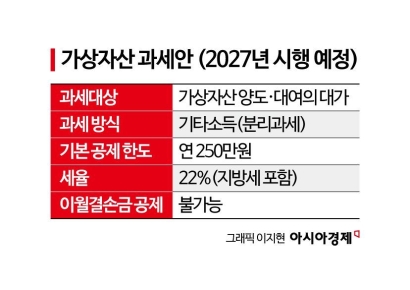 "Stocks Are Not Taxed, but Annual Crypto Gains Over 2.5 Million Won to Be Taxed Next Year... Investors Push Back"
- "Not Jealous of Winning the Lottery"... Entire Village Stunned as 200 Million Won Jackpot of Wild Ginseng Cluster Discovered at Jirisan
- "Even With a 90 Million Won Salary and Bonuses, It Doesn’t Feel Like Much"... A Latecomer Rookie Who Beat 70 to 1 Odds [Scientists Are Disappearing] ③
- "Rather Than Endure a 1.5 Million KRW Stipend, I'd Rather Earn 500 Million in the U.S." Top Talent from SNU and KAIST Are Leaving [Scientists Are Disappearing] ①
- "How Did an Employee Who Loved Samsung End Up Like This?"... Past Video of Samsung Electronics Union Chairman Resurfaces
Im Seungkwan, Commissioner of the Korea Disease Control and Prevention Agency, emphasized, "During the Chuseok holiday, when families travel together, the average daily number of traffic accident patients is higher than usual. Although using car seats and seat belts can reduce hospitalizations and fatalities in the event of an accident, the seat belt usage rate in the back seat remains low. I urge everyone to follow basic safety rules to ensure a safe and peaceful Chuseok holiday."
© The Asia Business Daily(www.asiae.co.kr). All rights reserved.







