[Column] TSMC Closely Aligning with Trump, Samsung Electronics Faces Growing Dilemma
Trump Prioritizes U.S. Interests with Semiconductors
TSMC Makes Strategic Investment Decisions
Samsung Electronics Struggles to Respond Swiftly
![[Column] TSMC Closely Aligning with Trump, Samsung Electronics Faces Growing Dilemma](http://www.asiae.co.kr/news/img_view.htm?img=2024071100085447074_1720624134.jpeg)
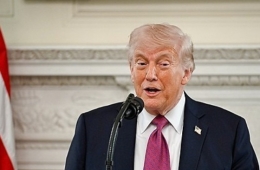
On the 3rd (local time), U.S. President Donald Trump met with Wei Zhejia, chairman of TSMC, at the White House. He praised Chairman Wei as "one of the most important people for the U.S. economy." During this meeting, TSMC announced an investment of $100 billion (approximately 145 trillion KRW) to build semiconductor factories in the United States.
TSMC had already announced in 2020 that it would build a semiconductor factory worth $12 billion in Arizona, USA, and later expanded the investment scale to $65 billion. This additional investment increases TSMC's cumulative investment in the U.S. to $165 billion.
President Trump is actively leading the expansion of investment, including personally inviting Chairman Wei of TSMC to the White House. However, Samsung Electronics, which started building a foundry factory in Taylor, Texas, around the same time with an investment of $17 billion (approximately 23 trillion KRW), has not shown such proactive moves. Although strategic choices by companies are becoming more important under rapidly changing trade environments and U.S. tariff policies, Samsung Electronics is struggling to respond in a timely manner.
The Trump administration, through U.S. Secretary of Commerce Wilbur Ross, who has expressed a negative stance on semiconductor subsidies, has stated that "semiconductor subsidies will not be given to foreign companies, including Taiwanese firms." Pressure on overseas companies such as Samsung Electronics is expected to intensify. On the day Chairman Wei of TSMC visited the White House, Secretary Ross warned overseas companies including Samsung Electronics by saying, "If there is no expansion of production in the U.S., tariffs on semiconductors are inevitable."
The reality is not easy. Semiconductors ranked third in Korea's exports to the U.S. last year, highlighting their importance, but Samsung Electronics still has not found a clear direction amid global uncertainties. Additionally, the domestic political turmoil caused by the impeachment crisis has contributed to delays in strategic responses.
The reason the U.S. is actively attracting TSMC is clear. The advanced semiconductors produced by TSMC are strategic assets that the U.S. must secure in the competition for artificial intelligence (AI) and next-generation technologies. This means that semiconductor competition goes beyond simple economic dimensions and is directly linked to technological hegemony and national security. Samsung Electronics also needs to align more quickly and effectively with the U.S. government's strategic goals.
Hot Picks Today
 "It Was Fantastic" Jensen Huang's Daughter Seal...
- "Korea Is Great": Visitors Spent an Extra $435 Each... Want to Stay Longer, But ...
- "You'll Regret Not Buying Now"... Minister Urges Travelers to Purchase Airline T...
- To Withdraw His Late Sister’s $300 Deposit, 50-Year-Old Indian Man Brings Her R...
- 'Maternity Leave for Second Child' Interrupted... 1997-born White House Spokespe...
The U.S. under the Trump era has clearly prioritized its own interests over traditional alliances. The Korean government and Samsung Electronics must move away from a passive approach and establish themselves as partners directly connected to the U.S.'s strategic interests through strategic investment and technological cooperation. It is time to objectively assess our position and role in the global industrial ecosystem and shift to agile and practical strategies.
© The Asia Business Daily(www.asiae.co.kr). All rights reserved.