Unprecedented 'North Korean Military POW' Defection Possible... North Korea's 'Silence' Denies Dispatch Acknowledgment
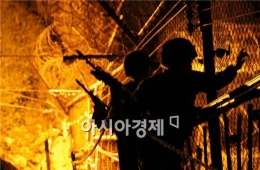
It is unprecedented for a North Korean soldier captured on the battlefield to request defection to South Korea. Despite the grim situation of its troops deployed in Russia being clearly revealed, North Korea remains silent.

The appearance of North Korean prisoners of war revealed by Ukrainian President Zelensky through his X account. Photo by Yonhap News
View original imageAccording to diplomatic sources on the 20th, the government is conducting consultations with Ukrainian authorities for the repatriation of North Korean prisoner A to South Korea. A, who was deployed to Russia and captured by Ukrainian forces, reportedly expressed his intention to defect by stating in an interview with the Chosun Ilbo, "I plan to apply for refugee status and go to the Republic of Korea," as reported the previous day.
An official from the Ministry of Foreign Affairs stated, "If (the North Korean prisoner) requests to go to South Korea, we will accept all of them based on the basic principle and relevant laws, and provide necessary protection and support," adding, "We have already conveyed this position of our government to the Ukrainian side and will continue necessary consultations."
Although the government used the general term 'prisoner,' A’s legal status has not yet been recognized as a 'prisoner of war' under international law. To be recognized as a prisoner of war under the 1953 Armistice Agreement or international law, North Korea must officially declare its participation as a belligerent party in the war. Despite the disclosure of casualties among North Korean troops deployed in Russia, North Korea still does not officially acknowledge their involvement.
Therefore, even if recognized as a prisoner of war, the repatriation process may not proceed smoothly. The Geneva Conventions stipulate that "prisoners captured during hostilities must be released without delay and repatriated to their home country once the war ends." Given North Korea’s denial of participation, there is a possibility that Russia may claim the prisoner’s nationality. In such a case, the prisoner could first be repatriated to Russia and then sent to North Korea.
Hot Picks Today
 "Pay for the Postpartum Care Center with My Car...
- “Everyone Said You’d Make Money” ? Chinese Investors Rush In and Lose Princip...
- [Taboni] Tough Luxury for Both Everyday and Off-Road: Defender OCTA Black
- "You Should Throw This Food Out of Your Fridge Immediately"... Eating This 'Zero...
- Once a Leading 'Outdoor Legend'...Is Nepa Headed Down the Same Path as Homeplus?...
However, this would go against the individual’s expressed will as revealed in the media interview, and concerns about personal safety upon repatriation to North Korea suggest that exceptions to the prisoner repatriation obligation may apply. A Ministry of Foreign Affairs official said, "Respecting the individual’s free will regarding prisoner repatriation aligns with international law and practice, and we believe that no one should be repatriated to a place where they face threats of persecution against their will."
© The Asia Business Daily(www.asiae.co.kr). All rights reserved.