Gwangju Dong-gu, Comprehensive Survey of Single-Person Middle-Aged Households Aged 40 and Over
Dong-gu, Gwangju Metropolitan City announced on the 6th that it will begin a full-scale survey by July 14 targeting approximately 16,000 single-person households aged 40 and above within the district to identify socially isolated households and support their independence.

Amid social issues such as solitary deaths caused by weakened family caregiving functions and social networks, Dong-gu planned a full survey of middle-aged and older single-person households, focusing on the fact that among the 15 solitary deaths in the district over the past five years, 93.3% (14 cases) involved individuals aged 40 and above.
The survey will be conducted in two phases through 13 neighborhood administrative welfare centers. The first phase targets welfare benefit recipients aged 40 and above who receive basic livelihood security, second-lowest income bracket support, or disability pensions. The second phase will cover single-person households aged 40 and above registered in the resident registry, excluding those surveyed in the first phase.
The survey method primarily involves household visits conducted by local community leaders and crisis household detection teams. However, general single-person households aged 40 and above can participate by mail, receiving the survey form enclosed by the district office, or by scanning the QR code included in the survey form using a smart device.
The main contents of the survey form include ▲whether the current address is the actual residence ▲presence of cohabiting family members ▲health, meal, and activity status, to assess the living conditions of the subjects. This information will be used as key data for establishing Dong-gu’s support policies for single-person households, including mental health, social welfare, isolation risk screening, and independence support.
Based on the survey results, Dong-gu plans to connect subjects with appropriate welfare services tailored to their situations. For welfare benefit recipients such as those receiving basic livelihood security, second-lowest income bracket support, or disability pensions, three additional follow-up visits will be conducted to eliminate blind spots related to solitary deaths and isolated households.
Hot Picks Today
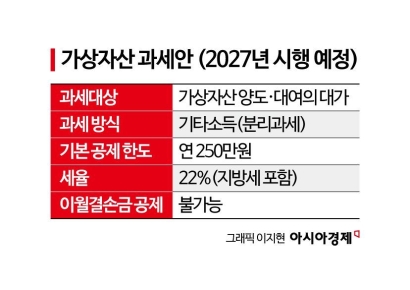 "Stocks Are Not Taxed, but Annual Crypto Gains Over 2.5 Million Won to Be Taxed Next Year... Investors Push Back"
- "Not Jealous of Winning the Lottery"... Entire Village Stunned as 200 Million Won Jackpot of Wild Ginseng Cluster Discovered at Jirisan
- "Rather Than Endure a 1.5 Million KRW Stipend, I'd Rather Earn 500 Million in the U.S." Top Talent from SNU and KAIST Are Leaving [Scientists Are Disappearing] ①
- "How Did an Employee Who Loved Samsung End Up Like This?"... Past Video of Samsung Electronics Union Chairman Resurfaces
- "Even With a 90 Million Won Salary and Bonuses, It Doesn’t Feel Like Much"... A Latecomer Rookie Who Beat 70 to 1 Odds [Scientists Are Disappearing] ③
A Dong-gu official stated, "Although the proportion of single-person households aged middle-aged and above is rapidly increasing every year, there is a lack of solutions for economic crises, health problems, and social isolation. Through this survey, we will actively identify at-risk single-person households aged 40 and above and build a systematic Dong-gu-type welfare safety net to prevent social problems in advance."
© The Asia Business Daily(www.asiae.co.kr). All rights reserved.







