CU Paper Straws Remain... Ministry of Environment Continues Plastic Reduction Policy
Indefinite Extension of Single-Use Plastic Ban
Continued Use of Paper Straws to Reduce Plastic
Reducing Annual Plastic Use by 54.2 Tons Over One Year
Recently, the Ministry of Environment announced an indefinite extension of the grace period for regulations banning the use of disposable products. In response, CU announced on the 22nd that it will maintain the use of paper straws as before to reduce plastic usage. The plan aims to continue fostering a consumer culture that protects the environment while promoting coexistence with paper straw manufacturers facing difficulties due to regulatory changes.
![The model is introducing strawless cup ice at CU <span>[Photo by CU]</span>.](http://www.asiae.co.kr/news/img_view.htm?img=2023112207511461473_1700607074.jpg)
CU proactively ceased the use of plastic straws and introduced paper straws, as well as developed strawless cup ice, in line with the government's eco-friendly policies even before the regulation banning disposable products in food service establishments was enforced in November last year.
Instead of routinely stocking consumables such as paper straws and wooden chopsticks at stores, CU employs a nudge strategy that provides these items only to customers who need them, actively encouraging consumers to minimize disposable product use and promote eco-friendly consumption.
Plastic straws were mainly used in convenience stores for cup ice beverages. Considering that the weight of the previously provided plastic straws was about 1g, CU was able to reduce plastic usage by approximately 54.2 tons annually.
Since 2020, CU has used PLA biodegradable eco-friendly bags instead of plastic bags, primarily in directly operated stores such as Green Store, and from October last year, it fully introduced reusable volume-based bags and multi-use shopping bags in all stores nationwide.
Additionally, CU changed all items of its private brand (PB) Heyroo bottled water, which accounted for 34% of total bottled water purchases in 2021 (38 million units), to label-free packaging, saving 35 tons of film. It also applied biodegradable materials to packaging containers for non-heated convenience foods such as gimbap, reducing plastic usage by 195 tons annually.
All components of Get coffee cups and lids were switched to paper materials, and recycling grades are indicated by packaging type for PB products. For PB snacks, eco-friendly packaging certified with a green mark was used by employing ethanol ink.
Hot Picks Today
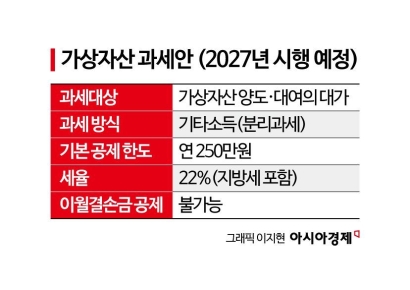 "Stocks Are Not Taxed, but Annual Crypto Gains Over 2.5 Million Won to Be Taxed Next Year... Investors Push Back"
- "Not Jealous of Winning the Lottery"... Entire Village Stunned as 200 Million Won Jackpot of Wild Ginseng Cluster Discovered at Jirisan
- "Even With a 90 Million Won Salary and Bonuses, It Doesn’t Feel Like Much"... A Latecomer Rookie Who Beat 70 to 1 Odds [Scientists Are Disappearing] ③
- "Rather Than Endure a 1.5 Million KRW Stipend, I'd Rather Earn 500 Million in the U.S." Top Talent from SNU and KAIST Are Leaving [Scientists Are Disappearing] ①
- "How Did an Employee Who Loved Samsung End Up Like This?"... Past Video of Samsung Electronics Union Chairman Resurfaces
BGF Retail, which operates CU, has made efforts to build a green consumer environment, achieving ISO14001 certification, an international standard for environmental management systems, for the first time in the industry in 2020. It is also the only company in the industry to receive an integrated A grade for four consecutive years in the ESG (Environment, Social, Governance) evaluation by the Korea Corporate Governance Service and was included in the DJSI KOREA index, receiving positive evaluations.
© The Asia Business Daily(www.asiae.co.kr). All rights reserved.







