Pakistan Facing 'Economic Crisis', Imposes 40% Windfall Tax on Speculative Forex Trading Profits by Banks

The Pakistani government, which is experiencing economic difficulties while receiving bailout support from the International Monetary Fund (IMF), has decided to impose a 40% 'windfall tax' on speculative foreign exchange trading profits made by the banking sector.
According to local reports on the 16th (local time), the Pakistani caretaker government held a cabinet meeting the previous day and decided to impose this high tax on 110 billion Pakistani rupees (approximately 500 billion KRW) earned through speculative trading between the Pakistani rupee and the US dollar over two years starting from 2021. However, this tax imposition is a one-time measure.
The Prime Minister's Office of Pakistan explained that this decision was made in accordance with financial laws and income tax laws. The government expects to collect about 40 billion Pakistani rupees (approximately 18 billion KRW) in tax revenue from this.
Hot Picks Today
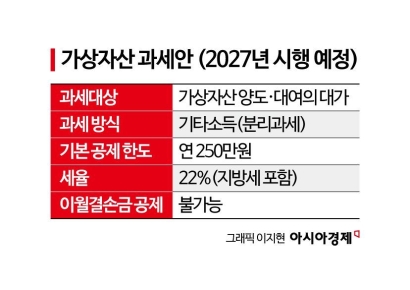 "Stocks Are Not Taxed, but Annual Crypto Gains Over 2.5 Million Won to Be Taxed Next Year... Investors Push Back"
- "Not Jealous of Winning the Lottery"... Entire Village Stunned as 200 Million Won Jackpot of Wild Ginseng Cluster Discovered at Jirisan
- "Even With a 90 Million Won Salary and Bonuses, It Doesn’t Feel Like Much"... A Latecomer Rookie Who Beat 70 to 1 Odds [Scientists Are Disappearing] ③
- General Strike D-1: Final Negotiations Between Samsung Electronics Labor and Management Over One Key Issue
- "How Did an Employee Who Loved Samsung End Up Like This?"... Past Video of Samsung Electronics Union Chairman Resurfaces
Local banks have long faced strong criticism regarding the 'windfall' profits earned from foreign exchange trading. However, most experts had considered the possibility of the government imposing a windfall tax on banks to be low. This decision is also seen as an effort by the Pakistani government to emphasize its sincerity in expanding tax revenue to the IMF and others demanding the fulfillment of various bailout conditions. Nevertheless, the banking sector is expected to oppose the government’s decision and may negotiate to reduce the tax rate as much as possible.
© The Asia Business Daily(www.asiae.co.kr). All rights reserved.