[Inside Chodong] They Were Wrong Then, Right Now
Fueled by the overwhelming support of individual investors, the secondary battery stocks that seemed destined to rise endlessly have been on a downward trend since confirming a slowdown in the electric vehicle market growth. The stock price of EcoPro, which had been climbing relentlessly until August this year, has halved in just two months.
As the stock price rapidly fell before individual investors could escape from EcoPro, reports that previously issued a 'sell' recommendation on EcoPro have been reexamined. Although the concerns of market experts have materialized, the evaluation that "they were wrong then and right now" is meaningless. Even if there is a bubble in the stock price, the possibility of further increases due to momentum cannot be ruled out. However, instead of just making protest calls when a sell recommendation report is released, it is necessary to periodically check the risk factors pointed out by experts. This is because maintaining a "hot heart and a cool head" is essential to expect investment returns.
In early April, Samsung Securities downgraded its investment opinion on EcoPro from 'Buy' to 'Hold.' At that time, EcoPro's stock price was 499,500 KRW, with a target price set at 380,000 KRW. One month later, EcoPro's stock price rose to 733,000 KRW, and Samsung Securities raised the target price by 5% to 400,000 KRW.
Hana Securities also lowered its investment opinion on EcoPro from 'Buy' to 'Reduce' around the same time. They argued that EcoPro's market capitalization had exceeded the expected corporate value in five years and warned of overheating.
Thanks to the active buying by individual investors, EcoPro continued its upward rally for nearly five months despite warnings from the Yeouido securities community. The analyst who issued the 'sell' opinion was even misunderstood as colluding with short-selling forces. Due to a flood of complaints, the Financial Supervisory Service conducted a written investigation of the analyst. Although the complaints were dismissed, this case clearly showed the difficulties an analyst faces when issuing a 'sell' opinion on a thriving company.
When investors holding the stock see a report with a 'sell' recommendation, they cannot help but be startled. They hold the stock expecting the price to rise, so it is understandable to be upset when an expert advises selling. They may file complaints with the Financial Supervisory Service and call the phone number listed in the report to protest. For investors whose goal is to make a profit, urging them to "create a mature investment culture that embraces differing opinions" might seem like preaching to the choir.
Many investors think deeply before buying stocks but tend to neglect or blindly trust their investments once purchased. Even when the stock price falls to the predetermined stop-loss price, they delay selling for various reasons. Without maintaining a cool head, it is difficult to respond properly in crisis situations.
Individual investors have net sold EcoPro stocks worth 1 trillion KRW over the past three months. The average selling price was 1.04 million KRW, higher than the current price of 635,000 KRW. However, someone must have bought at a higher price and sold at a lower price, incurring losses. Conversely, others must have sold at a price higher than their purchase price and made a profit.
What is the difference? Investors who have built wealth through stock investment unanimously advise that setting investment principles and gradually accumulating profits is important. When someone issues a sell recommendation, instead of just getting angry, investors should also check the risk factors. In a bear market, it is better to regret "selling too early" than to regret "not selling when you should have."
Hot Picks Today
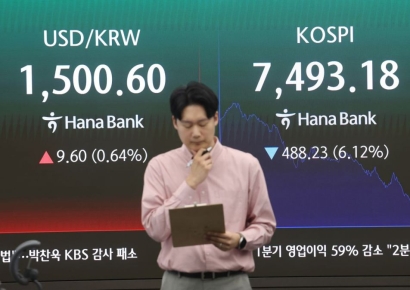 After Topping 8,000 Instead of Hitting 10,000... KOSPI Plunges—When Will It Rebound?
- "Samsung and Hynix Were Once for the Underachievers"... Hyundai Motor Employee's Lament
- [Breaking] Court Rules Against Samsung Electronics Union...1 Billion Won per Day Penalty for Exceeding Strike Scope
- Global Big Tech Joins AI Firms in Full-Scale AI Agent Showdown
- "That? It's Already Stashed" Nightlife Scene Crosses the Line [ChwiYak Nation] ③
![[Inside Chodong] They Were Wrong Then, Right Now](http://www.asiae.co.kr/news/img_view.htm?img=2023110109150036319_1698797700.png)
© The Asia Business Daily(www.asiae.co.kr). All rights reserved.