Russian Ministry of Defense "Wagner Group Disarmament Completed"... 2,500 Tons of Ammunition Delivered
The Russian Ministry of Defense recently announced that the disarmament of the mercenary company Wagner Group, which had staged a military rebellion, is nearly complete, and that it has received thousands of tons of heavy weapons and ammunition. With the Wagner Group, which had been at the forefront of the main frontlines in the Ukraine war, now disarmed and withdrawn from the frontlines, there are expectations that the combat power of the Russian military will be somewhat weakened going forward.
![On the 12th (local time), the Russian Ministry of Defense released images of heavy weapons received from the Wagner Group. [Image source=Russian Ministry of Defense]](http://www.asiae.co.kr/news/img_view.htm?img=2023071309583596179_1689209915.jpg)
On the 12th (local time), the Russian Ministry of Defense released images of heavy weapons received from the Wagner Group. [Image source=Russian Ministry of Defense]
View original imageOn the 12th (local time), the Russian Ministry of Defense stated in a press release, "We have received over 2,000 units of weapons and equipment, including T-72 tanks, missiles, and heavy weapons, as well as more than 2,500 tons (t) of ammunition from the Wagner Group," adding, "The process of disarming the Wagner Group is in its final stages." The Ministry also released photos and videos showing the returned heavy weapons.
With the completion of the disarmament of Wagner Group mercenaries, who had been the vanguard units on the eastern front of Ukraine, a large number of them have withdrawn from the frontlines. The Wagner mercenaries are expected to choose one of three options: move to Belarus, where their leader Yevgeny Prigozhin is staying, as proposed by the Russian government; re-sign contracts with the Russian military and return to the frontlines; or return home.
Previously, there were concerns within Russia that the disbandment of the Wagner Group, a key vanguard unit in the Ukraine war, could lead to a weakening of combat power. However, following the military rebellion, internal stabilization took priority, leading to the start of their disbandment.
Hot Picks Today
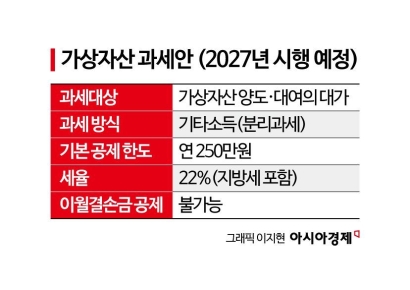 "Stocks Are Not Taxed, but Annual Crypto Gains Over 2.5 Million Won to Be Taxed Next Year... Investors Push Back"
- "Not Jealous of Winning the Lottery"... Entire Village Stunned as 200 Million Won Jackpot of Wild Ginseng Cluster Discovered at Jirisan
- "Rather Than Endure a 1.5 Million KRW Stipend, I'd Rather Earn 500 Million in the U.S." Top Talent from SNU and KAIST Are Leaving [Scientists Are Disappearing] ①
- "How Did an Employee Who Loved Samsung End Up Like This?"... Past Video of Samsung Electronics Union Chairman Resurfaces
- "Even With a 90 Million Won Salary and Bonuses, It Doesn’t Feel Like Much"... A Latecomer Rookie Who Beat 70 to 1 Odds [Scientists Are Disappearing] ③
According to CNN, during the Wagner Group’s military rebellion, some Wagner forces reportedly attempted to approach a Russian nuclear base to seize a miniature tactical nuclear weapon, known as a "nuclear backpack." Major foreign media outlets speculate that, fearing the leakage of nuclear weapons, Russian authorities accepted a mediation proposal from the Belarusian government and entered negotiations with Prigozhin.
© The Asia Business Daily(www.asiae.co.kr). All rights reserved.