[News Terms] China’s 'Xin Fangjie Law' Tensions Foreigners Staying in the Country
The "New Counterespionage Law" is an amendment to China's counterespionage law that broadens the definition of espionage activities, expands the scope of legal application, and enhances the authority of national security agencies. It came into effect on the 1st of this month.
Before the amendment, espionage activities were defined as "stealing, spying, bribing, or illegally providing state confidential information," but the new law includes "documents related to national security interests." This means that access to publicly available information can also be considered espionage depending on the authorities' judgment.

Chinese security personnel can request identification from foreigners, ask questions in suspicious situations, and investigate belongings without a warrant if espionage is suspected. Violations of the new counterespionage law may result in penalties such as deportation and a ban on entry for up to 10 years, and even if espionage charges are not established, administrative detention or other measures may be imposed.
There is also a possibility that the new counterespionage law could be used as a means to restrict foreign media coverage and prevent the spread of information critical of China abroad. The Ministry of Foreign Affairs expressed concern that activities such as Korean media interviewing Chinese academics or reporting in border areas to cover North Korea could fall under the new counterespionage law.
In diplomatic circles, it is anticipated that in the event of conflicts between countries, the law could escalate into hostage diplomacy, be abused as a legal tool for retaliatory measures against other countries, and depending on the intensity of enforcement, could become a new "isolationist policy" comparable to the "Zero-COVID" policy.
Accordingly, the Ministry of Foreign Affairs warned individuals to be cautious about actions such as searching for materials related to China's national security or interests (maps, photos, statistics) on the internet or storing them on smartphones or laptops, visiting protest sites or filming protesters, and proselytizing to Chinese nationals, introducing these as prohibited cases.
Hot Picks Today
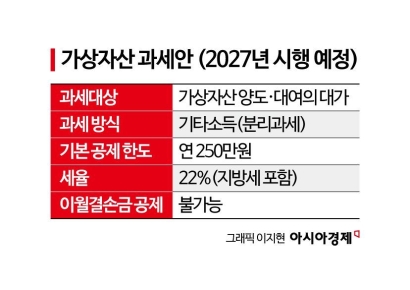 "Stocks Are Not Taxed, but Annual Crypto Gains Over 2.5 Million Won to Be Taxed Next Year... Investors Push Back"
- "Not Jealous of Winning the Lottery"... Entire Village Stunned as 200 Million Won Jackpot of Wild Ginseng Cluster Discovered at Jirisan
- "Even With a 90 Million Won Salary and Bonuses, It Doesn’t Feel Like Much"... A Latecomer Rookie Who Beat 70 to 1 Odds [Scientists Are Disappearing] ③
- "Jeong Yu-kyung Is a Neighbor"...Itaewon Standalone House with Record 23.2 Billion Won Appraisal Up for Auction [Real Estate AtoZ]
- "How Did an Employee Who Loved Samsung End Up Like This?"... Past Video of Samsung Electronics Union Chairman Resurfaces
Major companies have established emergency contact networks in preparation for unannounced dawn raids, designated response teams including legal advisors in advance, and provided guidelines such as prohibiting carrying sensitive materials or electronic devices during business trips or travel, and managing the distinction between sensitive and non-sensitive information in daily operations.
© The Asia Business Daily(www.asiae.co.kr). All rights reserved.