"IAEA Secretary General to Visit Korea Next Month... Explanation of Japan's Contaminated Water Verification Results"
The Director General of the International Atomic Energy Agency (IAEA), who has been verifying Japan's plan to discharge contaminated water from the Fukushima nuclear power plant into the ocean, is coordinating a visit to South Korea next month to explain the verification results.
According to the Yomiuri Shimbun on the 29th, Director General Rafael Grossi is expected to visit Japan on the 4th of next month to deliver the final report on the Fukushima contaminated water discharge plan to Prime Minister Fumio Kishida, and then visit South Korea, New Zealand, and the Pacific island nation of the Cook Islands.
Director General Grossi will explain the contents of the final report, which includes the safety assessment of the Fukushima nuclear power plant contaminated water discharge, to these countries including South Korea. The IAEA has so far evaluated that Tokyo Electric Power Company's (TEPCO) method and facilities for discharging Fukushima contaminated water are appropriate. It is expected that this view will be maintained in the final report as well.
The Yomiuri reported that there is strong opposition to the contaminated water discharge in South Korea and New Zealand. The media outlet stated, "In South Korea, the opposition party continues to make baseless claims that stir public anxiety and use them as leverage to shake the Yoon Suk-yeol administration."
Meanwhile, TEPCO completed the construction and commissioning of the Fukushima contaminated water nuclear power plant facilities on the 27th. The Nuclear Regulation Authority is conducting a final inspection before the discharge of the contaminated water. The inspection results are scheduled to be reported at the regular meeting on the 5th of next month, and if there are no particular issues, a certificate of inspection completion will be issued to TEPCO around a week later, in early next month. Once this certificate is issued, the discharge of contaminated water into the ocean will be possible.
Hot Picks Today
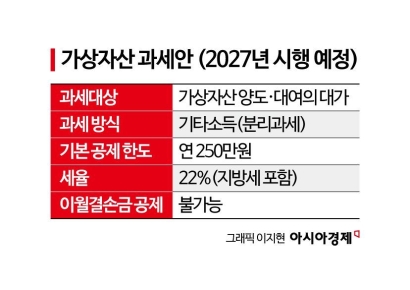 "Stocks Are Not Taxed, but Annual Crypto Gains Over 2.5 Million Won to Be Taxed Next Year... Investors Push Back"
- "Not Jealous of Winning the Lottery"... Entire Village Stunned as 200 Million Won Jackpot of Wild Ginseng Cluster Discovered at Jirisan
- "Rather Than Endure a 1.5 Million KRW Stipend, I'd Rather Earn 500 Million in the U.S." Top Talent from SNU and KAIST Are Leaving [Scientists Are Disappearing] ①
- "How Did an Employee Who Loved Samsung End Up Like This?"... Past Video of Samsung Electronics Union Chairman Resurfaces
- "Even With a 90 Million Won Salary and Bonuses, It Doesn’t Feel Like Much"... A Latecomer Rookie Who Beat 70 to 1 Odds [Scientists Are Disappearing] ③
Prime Minister Kishida is expected to finalize the timing of the contaminated water discharge if no problems are found in the Nuclear Regulation Authority's inspection and the IAEA's final report.
© The Asia Business Daily(www.asiae.co.kr). All rights reserved.