[Click! Health] Metabolic Syndrome, No Complacency Even When Young... "Increased Risk of Cardiovascular Disease"
Recent research has revealed that the incidence of metabolic syndrome is rapidly increasing among young people, and that metabolic syndrome raises their risk of developing cardiovascular diseases.
![[Click! Health] Metabolic Syndrome, No Complacency Even When Young... "Increased Risk of Cardiovascular Disease"](http://www.asiae.co.kr/news/img_view.htm?img=2023051219494129741_1683888581.jpg)
Seoul National University Hospital announced that a research team led by Professors Choi Su-yeon and Lee Hee-seon at the Gangnam Center analyzed the correlation between metabolic syndrome in young adults and the progression of coronary artery calcification.
Metabolic syndrome is a complex of five factors: abdominal obesity, high triglycerides, low high-density lipoprotein (HDL), elevated blood pressure, and impaired fasting glucose. Patients with metabolic syndrome are known to have an increased risk of developing cardiovascular diseases in the future.
The research team conducted a follow-up study on 2,151 asymptomatic young adults under the age of 45, tracking the presence of metabolic syndrome and changes in the coronary artery calcium score (calcium level). The coronary artery calcium score reflects the total amount of cardiovascular atherosclerosis through a low-dose, non-contrast cardiac CT scan called a calcium scan. It is known to predict the likelihood of cardiovascular events such as myocardial infarction or heart attack even in asymptomatic individuals.
The study found that the progression of coronary artery calcification was more than twice as common in the metabolic syndrome group compared to the normal group. The risk of coronary artery calcification progression increased by approximately 1.83 times when metabolic syndrome was present. Among the metabolic syndrome components, elevated blood pressure and increased triglycerides showed a significant association with the risk of coronary artery calcification progression.
Furthermore, the risk of coronary artery calcification progression increased proportionally with the number of worsened metabolic syndrome components. In particular, individuals with four or more deteriorated metabolic factors had a 4.6 times higher risk of coronary artery calcification progression compared to those with all normal metabolic factors. Conversely, in young adults diagnosed with metabolic syndrome, reducing two or more metabolic syndrome components lowered the risk of coronary artery calcification progression to less than half.
The research team explained that the progression of coronary artery calcification evaluated in this study is significant as it represents the early detection of atherosclerosis identified during screening before the onset of symptomatic cardiovascular diseases such as myocardial infarction. They also emphasized that the risk can be sufficiently prevented through management of metabolic syndrome components in young adults.
Professor Lee Hee-seon advised, "Metabolic syndrome factors such as obesity, elevated blood pressure, and worsening lipid and glucose indicators are issues that cannot be avoided simply because one is younger. To maintain long-term cardiovascular health, it is essential to manage these factors more actively, especially blood pressure and triglycerides, from a young age."
This study was published in the international academic journal 'Atherosclerosis.'
Hot Picks Today
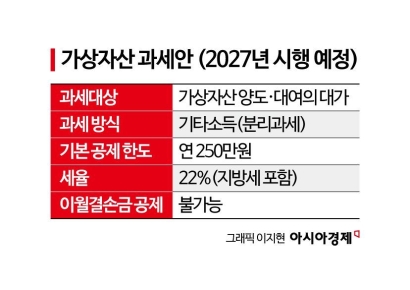 "Stocks Are Not Taxed, but Annual Crypto Gains Over 2.5 Million Won to Be Taxed Next Year... Investors Push Back"
- "Not Jealous of Winning the Lottery"... Entire Village Stunned as 200 Million Won Jackpot of Wild Ginseng Cluster Discovered at Jirisan
- "Even With a 90 Million Won Salary and Bonuses, It Doesn’t Feel Like Much"... A Latecomer Rookie Who Beat 70 to 1 Odds [Scientists Are Disappearing] ③
- "Rather Than Endure a 1.5 Million KRW Stipend, I'd Rather Earn 500 Million in the U.S." Top Talent from SNU and KAIST Are Leaving [Scientists Are Disappearing] ①
- "How Did an Employee Who Loved Samsung End Up Like This?"... Past Video of Samsung Electronics Union Chairman Resurfaces
![(From left) Professor Choi Su-yeon and Professor Lee Hee-seon, Seoul National University Hospital Gangnam Center. [Photo by Seoul National University Hospital]](http://www.asiae.co.kr/news/img_view.htm?img=2023051222204329771_1683897643.jpg)
(From left) Professor Choi Su-yeon and Professor Lee Hee-seon, Seoul National University Hospital Gangnam Center. [Photo by Seoul National University Hospital]
View original image© The Asia Business Daily(www.asiae.co.kr). All rights reserved.







