China's 'Cold Medicine Shortage' Raises Alert on Korea's Raw Material Supply Situation
Acetaminophen Active Pharmaceutical Ingredient
73 out of 91 Cases Imported from China
Export Restrictions Cannot Be Ruled Out if
COVID-19 Situation Worsens in China
![Antipyretic analgesic 'Tylenol' <br>[Image source=Yonhap News]](http://www.asiae.co.kr/news/img_view.htm?img=2021060209104861265_1622592648.jpg)
[Asia Economy Reporters Lee Gwan-ju and Byun Seon-jin] The ‘With Corona’ policy in China is causing a cold medicine shortage crisis. South Korea, which heavily depends on Chinese raw pharmaceutical ingredients, is also facing concerns over supply issues. Currently, there is no disruption in the domestic supply of cold medicines such as antipyretic analgesics, but if the situation prolongs or China takes ‘extraordinary measures’ such as restricting raw material exports, it is expected to become a burden.
According to the Ministry of Food and Drug Safety on the 27th, 91 cases (excluding withdrawals and cancellations) of acetaminophen raw pharmaceutical ingredients, used in antipyretic analgesics and general cold medicines, are registered. Among these, 73 cases are imported from China. This means that 80% of the acetaminophen raw pharmaceutical ingredient manufacturing sites used domestically are in China.
The COVID-19 outbreak in China has caused a literal ‘crisis’ since the full relaxation of quarantine measures on the 2nd of this month. Local health authorities estimate that the daily new confirmed cases could reach 37 million, and there are also predictions that COVID-19 could spread rapidly around the Chinese Lunar New Year, Chunjie, on the 22nd of next month. As the shortage of antipyretic analgesics continues, purchase restrictions are being implemented in various places. Although no unusual trends such as restrictions on pharmaceutical raw material exports have been identified, if the situation in China worsens further, stronger responses cannot be ruled out.
The Ministry of Health and Welfare, the Ministry of Food and Drug Safety, and the pharmaceutical industry are on high alert for any possible situations. The government has raised the drug price for acetaminophen (650 mg) solid formulations for prescriptions this month and issued emergency production and import orders to expand production and supply. The supply volume of acetaminophen was recorded as 31.7 million tablets in the first week, 22.01 million tablets in the second week, and 17.79 million tablets in the third week of this month, exceeding the target level of 16.61 million tablets. A Ministry of Food and Drug Safety official explained, "Pharmaceutical companies have already secured a certain amount of raw materials necessary for cold medicine production," and "Raw material imports have been proceeding smoothly until recently."
Hot Picks Today
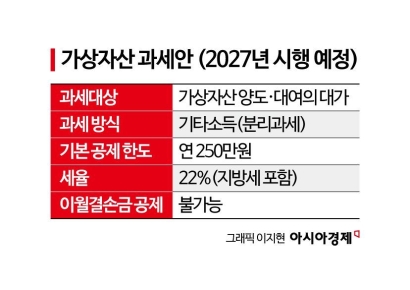 "Stocks Are Not Taxed, but Annual Crypto Gains Over 2.5 Million Won to Be Taxed Next Year... Investors Push Back"
- "Not Jealous of Winning the Lottery"... Entire Village Stunned as 200 Million Won Jackpot of Wild Ginseng Cluster Discovered at Jirisan
- "Even With a 90 Million Won Salary and Bonuses, It Doesn’t Feel Like Much"... A Latecomer Rookie Who Beat 70 to 1 Odds [Scientists Are Disappearing] ③
- "Rather Than Endure a 1.5 Million KRW Stipend, I'd Rather Earn 500 Million in the U.S." Top Talent from SNU and KAIST Are Leaving [Scientists Are Disappearing] ①
- "How Did an Employee Who Loved Samsung End Up Like This?"... Past Video of Samsung Electronics Union Chairman Resurfaces
However, the medical field is concerned that the supply issues of prescribed and dispensed cold medicines, which have continued since the Omicron variant outbreak earlier this year, could be more significantly affected by variables from China. In particular, there are complaints about the shortage of prescribed syrups mainly used for children. Park Eok, director of Daegu Mujigae Children’s Hospital (pediatric specialist), said, "Children have difficulty swallowing pills, so most cold medicines are made in syrup form, but since syrups are not produced as well as pills, they are hard to obtain," adding, "Especially in provincial areas, supply is less smooth than in the metropolitan area, so the situation for small clinics and pharmacies is more serious."
© The Asia Business Daily(www.asiae.co.kr). All rights reserved.







