Record-breaking cold wave this December? Han River freezing 16 days earlier than usual
On the 23rd, Seoul's lowest temperature was -13.7°C... Ranked 9th coldest since 1973
[Asia Economy Reporter Yoon Seul-gi] Due to the Arctic cold wave caused by global warming, severe cold weather has persisted nationwide this winter. On the 23rd, Seoul recorded one of the top 10 lowest temperatures since nationwide meteorological observations began in 1973, and the Han River, which usually starts freezing in January, froze about two weeks earlier than usual.
According to statistical analysis data from the Korea Meteorological Administration on the 26th, the lowest temperature in Seoul on the 23rd was minus 13.7 degrees Celsius. This ranks as the 9th lowest December temperature recorded since 1973.
The coldest temperature recorded in Seoul was on December 27, 1976. At that time, the temperature was minus 18.5 degrees Celsius, marking the coldest December weather in the past 40 years.

On the 26th, when the severe cold wave continued, the Han River near Gwangjin Bridge in Seoul was frozen. This year's freezing of the Han River was observed 16 days earlier than the average year and 15 days earlier than January 9, 2021, the winter before last. Photo by Kang Jin-hyung aymsdream@
View original imageThe second coldest was minus 17.4 degrees Celsius on December 24, 1973. Following that were minus 16.2 degrees on December 29, 1980; minus 15.5 degrees on December 26, 2021; minus 15.1 degrees on December 24, 2010; minus 14.5 degrees on December 26, 2012; minus 14.4 degrees on December 28, 2018; minus 14 degrees on December 18, 2005; minus 13.7 degrees on December 23, 2022; and minus 13.6 degrees on December 28, 1985.
The severe cold this winter is largely due to the 'Arctic cold wave' that has been active since early December. The Arctic cold wave refers to the flow of cold air from the Arctic region to the mid-latitude regions. As the Arctic warms due to global warming, the jet stream has weakened, allowing Arctic cold air to descend to mid-latitudes.
As the severe cold continues, the Han River froze on the 25th. This freezing occurred 16 days earlier than the average date (January 10). The Han River usually begins to freeze around January, but this year’s unusual cold wave in December advanced the timing. It is the fourth earliest freeze since the 2000s.
Hot Picks Today
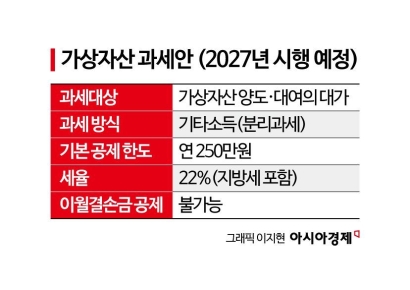 "Stocks Are Not Taxed, but Annual Crypto Gains Over 2.5 Million Won to Be Taxed Next Year... Investors Push Back"
- "Not Jealous of Winning the Lottery"... Entire Village Stunned as 200 Million Won Jackpot of Wild Ginseng Cluster Discovered at Jirisan
- "Even With a 90 Million Won Salary and Bonuses, It Doesn’t Feel Like Much"... A Latecomer Rookie Who Beat 70 to 1 Odds [Scientists Are Disappearing] ③
- "Rather Than Endure a 1.5 Million KRW Stipend, I'd Rather Earn 500 Million in the U.S." Top Talent from SNU and KAIST Are Leaving [Scientists Are Disappearing] ①
- "How Did an Employee Who Loved Samsung End Up Like This?"... Past Video of Samsung Electronics Union Chairman Resurfaces
The Korea Meteorological Administration announces the freezing of the Han River based on the criterion that "a rectangular area 100 meters upstream between the second and fourth piers of the Hangang Bridge connecting Yongsan-gu and Dongjak-gu in Seoul is covered with ice, making the river water invisible."
© The Asia Business Daily(www.asiae.co.kr). All rights reserved.







