LX Inter, 3Q Operating Profit 272.6 Billion KRW... 30% Increase YoY

A view of Poseung Biomass Power Plant located in Poseung Industrial Complex, Pyeongtaek-si, Gyeonggi-do
[Asia Economy Reporter Choi Dae-yeol] LX International announced on the 28th that its consolidated operating profit for the third and fourth quarters of this year reached 272.6 billion KRW, a 30.1% increase compared to the same period last year.
Sales rose 4.8% to 4.7094 trillion KRW during the same period. Pre-tax profit and net profit were 267 billion KRW and 247.5 billion KRW respectively, marking increases of 11.1% and 38.9% compared to the same period.
The cumulative results up to the third quarter showed sales of 14.6475 trillion KRW and operating profit of 807.7 billion KRW. The cumulative operating profit surpassed last year's full-year operating profit of 656.2 billion KRW.
The company explained, "Although maritime freight rates declined and shipping volumes decreased, trading profits increased thanks to resource market conditions such as coal and the rise in exchange rates. Additionally, efforts to maximize profits during the resource boom period by expanding production and supply to demand sources enabled us to achieve solid results."
Meanwhile, the company stated that it is fostering strategic businesses such as secondary battery strategic minerals including nickel and renewable power generation. It is reviewing investments in nickel mines in Indonesia and exploring opportunities in intermediate goods businesses such as nickel refining domestically. In the renewable power sector, it is increasing asset investments focusing on biomass domestically and hydropower in Indonesia overseas. Furthermore, the company is seeking new businesses such as eco-friendly advanced materials and logistics center development and operation, while also considering mergers and acquisitions (M&A).
Hot Picks Today
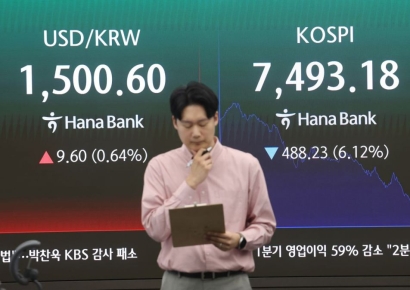 After Topping 8,000 Instead of Hitting 10,000... KOSPI Plunges—When Will It Rebound?
- "Samsung and Hynix Were Once for the Underachievers"... Hyundai Motor Employee's Lament
- [Breaking] Court Rules Against Samsung Electronics Union...1 Billion Won per Day Penalty for Exceeding Strike Scope
- 'Real Strike' Looms as Samsung Union Grows More Hardline... How the 2024 Strike Process Compares
- "That? It's Already Stashed" Nightlife Scene Crosses the Line [ChwiYak Nation] ③
LX International said, "We expect to face increasingly difficult business environments due to continued high interest rates, industrial demand contraction caused by economic downturns, and economic bloc formation. We will strengthen cash-centered management and significantly enhance crisis response capabilities through proactive risk management across all business areas."
© The Asia Business Daily(www.asiae.co.kr). All rights reserved.







