Myanmar Joins North Korea and Iran on Financial Transaction Blacklist
Financial Action Task Force Designates Myanmar as High-Risk International Financial Country After 5 Years
Gas Stations Crowded with Vehicles Amid Myanmar Currency Collapse and Expected Decline in Crude Oil Imports

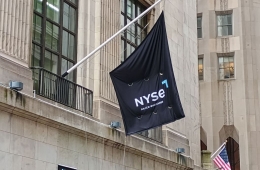
The Financial Action Task Force (FATF) has added Myanmar to its blacklist. The photo shows the FATF flag. Photo by AP Yonhap News.
View original image[Asia Economy Reporter Kim Hyunjung] The Financial Action Task Force (FATF) has designated Myanmar as a high-risk country in international finance.
According to foreign media including AFP and The Wall Street Journal (WSJ) on the 22nd, FATF decided to add Myanmar to its blacklist at the regular meeting held over two days from the 20th to 21st. T. Raja Kumar, the new chair of FATF from Singapore, explained that Myanmar was recommended to take corrective actions for non-compliance with international standards but failed to resolve the issues, resulting in an upgrade of sanctions. Officials from Myanmar's Central Bank and Ministry of Home Affairs also attended the meeting and requested an extension of the deadline to improve items below FATF standards, but the request was denied. Previously, Myanmar was on FATF's blacklist until 2016 but was downgraded to the grey list after the civilian government led by Aung San Suu Kyi took office.
Among the 39 member countries of FATF, North Korea and Iran are on the blacklist. Myanmar's status is being upgraded not to the sanction stage like North Korea or Iran, but to the enhanced due diligence stage with sanction deferral, so international financial transactions will not be completely halted immediately, nor will the worst measures such as banning foreign financial institutions from establishing overseas branches be implemented.
Hot Picks Today
 "Could I Also Receive 370 Billion Won?"... No Limit on 'Stock Manipulation Whistleblower Rewards' Starting the 26th
- Samsung Electronics Labor-Management Reach Agreement, General Strike Postponed... "Deficit-Business Unit Allocation Deferred for One Year"
- "From a 70 Million Won Loss to a 350 Million Won Profit with Samsung and SK hynix"... 'Stock Jackpot' Grandfather Gains Attention
- "Stocks Are Not Taxed, but Annual Crypto Gains Over 2.5 Million Won to Be Taxed Next Year... Investors Push Back"
- "Who Is Visiting Japan These Days?" The Once-Crowded Tourist Spots Empty Out... What's Happening?
Nonetheless, Myanmar's financial market has plunged into turmoil. The value of Myanmar's currency, the kyat, plummeted, with the black market exchange rate soaring to 6,000 kyat per dollar (approximately 4,100 KRW), doubling in just one day, and some exchange offices closed. Additionally, predictions that oil imports will become difficult due to foreign currency shortages have led to long lines of vehicles and motorcycles waiting at gas stations from early morning in Yangon, Myanmar's largest city. Consequently, gas stations imposed a sales limit of 20,000 kyat (about 13,800 KRW) per person, causing the waiting lines to grow even longer. In April, when the Central Bank announced the 4·3 foreign exchange measures, gas stations also experienced significant congestion due to fears of oil shortages. The Myanmar military government has not made any special statement regarding FATF's decision.
© The Asia Business Daily(www.asiae.co.kr). All rights reserved.