From Apartments to Officetels and Villas, Sales Slow... Only 1 in 10 Auctioned Properties Sold

[Asia Economy Reporter Ryu Tae-min] The auction market for officetels and villas, which had been benefiting from a 'substitution effect' amid the apartment market slump, is also entering a downward trend. This is attributed to the increased burden on bidders due to interest rate hikes and strengthened loan regulations, as well as a decrease in demand for substitutes as apartment prices have sharply declined. Auction markets in Seoul, as well as the relatively affordable Incheon and Gyeonggi areas, are being shunned by bidders, resulting in historically low winning bid rates.

According to Gigi Auction, a court auction specialist company, the average winning bid rate for villa auctions in Seoul last month was 12.7%, down 5.3 percentage points from the previous month. This is the lowest figure since statistics began being compiled in May 2001, meaning that only about 1 out of 10 cases was successfully auctioned. The winning bid rate refers to the ratio of items with confirmed winning bidders among those put up for bidding.
The officetel auction market is also on the decline. Last month, the average winning bid rate for officetel auctions in Seoul dropped sharply by 19.7 percentage points from the previous month to a record low of 13.6%. Out of 44 cases put up for auction, only 6 found new owners. This contrasts sharply with June, when the winning bid rate soared to 44.8%.
The winning bid price ratio, which indicates the ratio of the winning bid price to the appraised value, also fell significantly. The average winning bid price ratio for officetel auctions in Seoul has declined for five consecutive months since April (100.7%), reaching 89.5% last month. Notably, none of the six cases auctioned last month exceeded a 100% winning bid price ratio, indicating low winning bid price ratios. This marks a drop to the 80% range for the first time in about a year and a half since April last year. Similarly, the villa winning bid price ratio continued its downward trend from 97.6% in May to 91.4% last month.
Gyeonggi and Incheon Auction Markets Also Falter... Difficulty in Fundraising Due to Interest Rate Hikes and Strengthened Loan Regulations
The metropolitan areas outside Seoul are also experiencing a downward trend. Last month, the winning bid rate for officetels in Incheon fell by 10.8 percentage points to 18.0%, marking a record low. The average winning bid rate for villas in Incheon also declined for five consecutive months, dropping to 23.2% last month. In Gyeonggi Province, the officetel winning bid rate fell from 37.5% in the previous month to 24.1% last month, contrasting with the surge to 58.8% last year. For villas, the rate dropped by 6.4 percentage points in one month to 24.5% last month.
The auction market's slowdown is due to the increased burden on bidders in securing funds. Continuous interest rate hikes and strengthened loan regulations have made it difficult to obtain loans to pay the remaining balance. Additionally, as the housing price decline continues, there is a growing perception that appraised values are set higher than buyers' expectations. Typically, appraisals for auctioned properties are conducted 6 months to 1 year before the auction starts, and the appraisal period coincided with last year when housing prices peaked, raising concerns.
Another reason for the increase in failed auctions is the high jeonse (long-term deposit lease) prices set for auctioned properties. When there is a senior tenant with legal protection, the winning bidder must pay the tenant's deposit. The problem is that many villa auction properties were appraised last year when jeonse prices were high, causing tenant deposits to exceed the appraised price. In such cases, even if the auction fails and the minimum bid price is lowered, the bidder's burden to pay the tenant deposit does not decrease, discouraging bidding.
Hot Picks Today
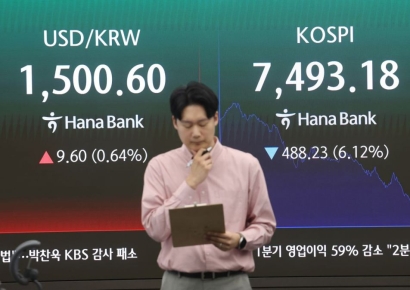 After Topping 8,000 Instead of Hitting 10,000... KOSPI Plunges—When Will It Rebound?
- "Samsung and Hynix Were Once for the Underachievers"... Hyundai Motor Employee's Lament
- [Breaking] Court Rules Against Samsung Electronics Union...1 Billion Won per Day Penalty for Exceeding Strike Scope
- Six Economic Organizations Urge Withdrawal of Samsung Electronics Strike Plan...Warn of National Loss of Opportunity
- "That? It's Already Stashed" Nightlife Scene Crosses the Line [ChwiYak Nation] ③
Officetels, which had been popular as an 'apartment substitute,' are also losing demand as the apartment market slows. Lee Joo-hyun, a senior researcher at Gigi Auction, explained, "Last year, when apartment supply was insufficient and entry barriers rose, relatively cheaper officetels were recognized as an alternative, but the situation has changed now. As apartment prices have recently fallen, buyers are less inclined to seek officetels."
© The Asia Business Daily(www.asiae.co.kr). All rights reserved.