"I Want to Return to the Earth" California Allows 'Human Composting'
Eco-friendly Hazardous Waste Treatment Unlike Stores or Incineration
California Legalizes Composting Facilities... 5th in the US
Strong Opposition from Christian Groups: "Are Humans Disposable?"

The California state government plans to allow a burial method known as 'human composting,' which turns deceased bodies into fertilizer, starting in 2027. Photo by Yonhap News
View original image[Asia Economy Reporter Bang Je-il] When a person dies, it is common to place the body in a coffin for burial or to cremate it. Although this carries symbolic and traditional meanings of returning to nature, it is not environmentally friendly.
Making coffins for burial requires a lot of wood and a certain amount of land. Cremating bodies consumes a large amount of natural gas and emits greenhouse gases during the process.
Due to environmental pollution and land shortages, Washington State in the U.S. legalized a new funeral method in 2019. This is 'Human Composting,' which turns bodies into compost. In May 2019, the Washington State Legislature passed a 'Human Composting' bill proposed by the Democratic Party, making it the first state in the U.S. to legalize human composting.
This funeral method, commonly called a 'composting facility,' involves placing the body in a box filled with wood chips, straw, and herbs, where it rapidly decomposes by microorganisms over about 30 days. Compared to embalming with chemicals or cremation that emits large amounts of greenhouse gases, this is a much more environmentally friendly way to handle remains.
Since its introduction in Washington State, Oregon, Colorado, and Vermont have also implemented composting facilities. California has become the fifth state to officially allow human composting.
According to the British daily The Guardian, Gavin Newsom, Governor of California, signed the 'Human Composting' bill on the 18th (local time), and from 2027, the bodies of deceased persons can be processed through composting.
Christina Garcia, a California State Assembly member who led the bill's passage, argued, "Processing remains into compost can reduce carbon emissions by more than 1 ton and solve land shortage problems in large cities."
There is also opposition to composting facilities. Opposition is particularly strong among traditional religious groups such as Christianity and Catholicism. They argue that turning humans into compost and spreading it violates human dignity. Regarding this bill, the California Catholic Conference stated that human composting "turns the human body into a disposable item" and that "burying or cremating bodies is a universal norm of respect and care for the deceased."
Hot Picks Today
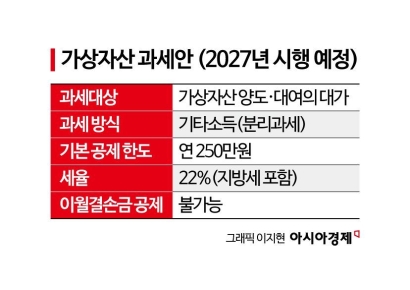 "Stocks Are Not Taxed, but Annual Crypto Gains Over 2.5 Million Won to Be Taxed Next Year... Investors Push Back"
- "Not Jealous of Winning the Lottery"... Entire Village Stunned as 200 Million Won Jackpot of Wild Ginseng Cluster Discovered at Jirisan
- "Even With a 90 Million Won Salary and Bonuses, It Doesn’t Feel Like Much"... A Latecomer Rookie Who Beat 70 to 1 Odds [Scientists Are Disappearing] ③
- "Rather Than Endure a 1.5 Million KRW Stipend, I'd Rather Earn 500 Million in the U.S." Top Talent from SNU and KAIST Are Leaving [Scientists Are Disappearing] ①
- "How Did an Employee Who Loved Samsung End Up Like This?"... Past Video of Samsung Electronics Union Chairman Resurfaces
Meanwhile, the cost of composting ranges from $5,000 to $7,000 (approximately 6.98 million to 9.77 million KRW), which is cheaper than burial or cremation. In California, burial costs average $7,225 (about 10.08 million KRW), and cremation costs average $6,028 (about 8.41 million KRW).
© The Asia Business Daily(www.asiae.co.kr). All rights reserved.







