Iran's 'Hijab Non-Wearing' Woman Dies in Custody, Sparking Anti-Government Protests
Suspicious Death of 20s Woman Arrested for Improper Hijab Wearing
Escalation of Protests Demanding Truth and Opposing Mandatory Hijab
UN Urges Investigation into Suspicious Death of Iranian Woman Over Hijab Noncompliance

A daily newspaper reporting on the incident where Mahsa Amini was detained by the morality police on the streets of Tehran, Iran, for allegedly not wearing her hijab properly and subsequently died, is placed. Photo by EPA Yonhap News
View original image[Asia Economy Reporter Bang Je-il] Protests demanding a thorough investigation into the mysterious death of a woman in her 20s who was arrested in Iran for not properly wearing a hijab (the traditional Islamic female attire covering the head, neck, and chest, leaving only the face exposed) are intensifying.
The cause of these protests is the suspicious death of 20-year-old Mahsa Amini, who was arrested and being questioned by the police.
Amini was detained by police on the 13th after visiting relatives in Tehran, the capital of Iran, for not wearing a hijab properly. Amini fell into a coma a few hours later and was taken to the hospital, where she passed away on the 16th after three days of fighting for her life.
The police explained that no violence was used during the investigation process and that she appeared to have died from a heart attack. However, her family refuted this, stating that Amini had no history of heart disease.
Protests demanding justice and a thorough investigation into her death began in western Iran, centered around Tehran. These protests have continued for five consecutive days. At least three casualties occurred during clashes between protesters and police.

Anti-government protests demanding a thorough investigation into Amini's death and condemning the government are taking place in Tehran, the capital of Iran. Photo by AFP Yonhap News
View original imageThe protests over Amini have expanded into anti-government demonstrations, including opposition to the 'hijab' mandate. Videos posted on social media show protesters throwing stones at police in Divandare village and fleeing amid thick smoke. Videos from Tehran's protests show women removing their hijabs and shouting, "Death to the dictator."
At Tehran University, dozens of students joined the protests, chanting, "From Kurdistan to Tehran, Iran is bleeding." Some students marched holding signs with slogans such as "Women, Life, Freedom" and "I do not want to die."
As the protests spread, the Iranian government took unusually swift action to quell the unrest. Supreme Leader Ayatollah Seyyed Ali Khamenei sent a delegation to the bereaved family on the 20th and promised a thorough investigation.
Even President Ebrahim Raisi, ahead of attending the United Nations (UN) General Assembly, ordered a direct investigation to manage the situation. However, as protesters demand not only explanations but also the disbandment of the morality police, the protests have intensified. Inside Iran, debates are heating up over whether the morality police's crackdowns protect or threaten women.
Mohammad Bagher Ghalibaf, Speaker of the Iranian Parliament, stated, "It is necessary to change the enforcement and investigation methods of the 'Guidance Patrol' to prevent such incidents from recurring."
As the situation escalates, the international community has also called for a thorough investigation into the incident.
Nada Al-Nashif, Deputy High Commissioner of the OHCHR, held a briefing at the UN Geneva Office in Switzerland on the 20th (local time), stating, "The allegations of torture surrounding the tragic death of the deceased woman must be promptly and fairly investigated by the authorities."
She pointed out, "Iran's law, which allows imprisonment for not wearing a hijab in public, remains a concern," adding, "In recent months, Iran has arrested and beaten women who appeared to wear the hijab loosely, and video evidence has been submitted to the OHCHR."
Hot Picks Today
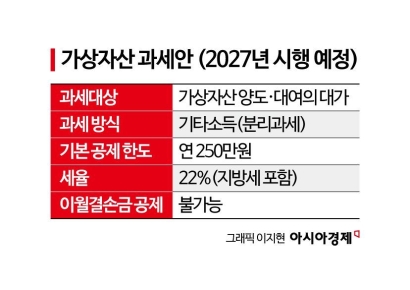 "Stocks Are Not Taxed, but Annual Crypto Gains Over 2.5 Million Won to Be Taxed Next Year... Investors Push Back"
- "Not Jealous of Winning the Lottery"... Entire Village Stunned as 200 Million Won Jackpot of Wild Ginseng Cluster Discovered at Jirisan
- "Jeong Yu-kyung Is a Neighbor"...Itaewon Standalone House with Record 23.2 Billion Won Appraisal Up for Auction [Real Estate AtoZ]
- "How Did an Employee Who Loved Samsung End Up Like This?"... Past Video of Samsung Electronics Union Chairman Resurfaces
- "Even With a 90 Million Won Salary and Bonuses, It Doesn’t Feel Like Much"... A Latecomer Rookie Who Beat 70 to 1 Odds [Scientists Are Disappearing] ③
Meanwhile, since the Islamic Revolution in 1979, all women aged nine and above in Iran are required without exception to wear the hijab in public places.
© The Asia Business Daily(www.asiae.co.kr). All rights reserved.