Prosecution Indicts Former KDB President Min Yuseong Without Detention for Illegal Advisory to Lotte Shin Dongju
![Former Korea Development Bank President Min Yu-seong, accused of providing illegal legal advice related to the Lotte Group management dispute <br>[Photo by Yonhap News]](http://www.asiae.co.kr/news/img_view.htm?img=2022071417555850522_1657788958.jpg)
Former Korea Development Bank President Min Yu-seong, accused of providing illegal legal advice related to the Lotte Group management dispute
[Photo by Yonhap News]
[Asia Economy Reporter Kim Daehyun] Min Yuseong, former president of the Korea Development Bank (68), is set to stand trial on charges of illegally providing legal advice related to the Lotte Group's management rights dispute. On the 11th, the Criminal Division 5 of the Seoul Central District Prosecutors' Office (Chief Prosecutor Choi Wooyoung) indicted Min without detention on charges of violating the Attorney-at-Law Act.
Min is accused of providing various legal services without a lawyer's license from October 2015 to August 2017 to Shin Dongju, chairman of SDJ Corporation (former vice chairman of Lotte Holdings Japan), to secure management rights during the Lotte Group 'brothers' conflict,' and receiving approximately 19.8 billion KRW in return (violation of the Attorney-at-Law Act).
He served as president of the Korea Development Bank from 2009 to 2011 and later became chairman of the management consulting firm Namukopeu. The prosecution believes that Min was responsible for planning criminal and administrative cases related to Lotte Group, selecting lawyers, overseeing various lawsuits, collecting evidence, submitting opinions, planning testimonies of agents and witnesses, and shaping public opinion.
In particular, it is known that he provided legal support aimed at the court imprisonment or guilty verdict of Shin Dongbin, chairman of Lotte Group and younger brother of Shin Dongju, as well as the failure to reacquire the Lotte Shopping duty-free store license.
This was confirmed when Min filed a civil lawsuit against Shin Dongju demanding 10.7 billion KRW in advisory fees. The first trial ruled that SDJ must pay Namukopeu 7.5 billion KRW in advisory fees, but the second trial and the Supreme Court ruled that the contract itself was invalid due to violation of the Attorney-at-Law Act, resulting in a loss.
Hot Picks Today
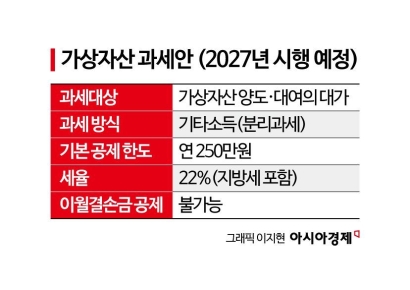 "Stocks Are Not Taxed, but Annual Crypto Gains Over 2.5 Million Won to Be Taxed Next Year... Investors Push Back"
- "Not Jealous of Winning the Lottery"... Entire Village Stunned as 200 Million Won Jackpot of Wild Ginseng Cluster Discovered at Jirisan
- "Rather Than Endure a 1.5 Million KRW Stipend, I'd Rather Earn 500 Million in the U.S." Top Talent from SNU and KAIST Are Leaving [Scientists Are Disappearing] ①
- "How Did an Employee Who Loved Samsung End Up Like This?"... Past Video of Samsung Electronics Union Chairman Resurfaces
- "Even With a 90 Million Won Salary and Bonuses, It Doesn’t Feel Like Much"... A Latecomer Rookie Who Beat 70 to 1 Odds [Scientists Are Disappearing] ③
In May, the prosecution requested an arrest warrant for Min, but the court dismissed it, stating that there was insufficient explanation of the grounds, necessity, and appropriateness of detention. After about a month of supplementary investigation, the prosecution referred Min to trial without detention. However, other charges such as violation of the Act on the Aggravated Punishment of Specific Crimes (acceptance of bribes) were dismissed due to insufficient evidence.
© The Asia Business Daily(www.asiae.co.kr). All rights reserved.