This Fall, COVID-19 Cases Predicted to Peak at 150,000... "Need to Improve Routine Critical Care System"
KMA Seminar on 'The Future and Measures of COVID-19'
Issues of Bed and Specialist Shortages, Medical Staff Burnout
"All Debates and Ethical Responsibilities Shifted to Frontline Medical Staff"
Suggestions Include Immunity Surveys and Rapid Deployment of Therapeutics
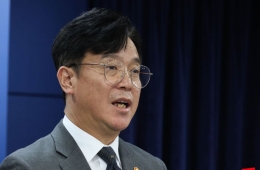
![Korean Medical Association 'Post Covid-19 Future and Measures of COVID-19 After the Omicron Pandemic' Seminar. <br>[Photo by YouTube Live Capture]](http://www.asiae.co.kr/news/img_view.htm?img=2022061219540410212_1655031244.jpg)
Korean Medical Association 'Post Covid-19 Future and Measures of COVID-19 After the Omicron Pandemic' Seminar.
[Photo by YouTube Live Capture]
[Asia Economy Reporter Lee Gwan-ju] As projections suggest that the number of confirmed COVID-19 cases could reach up to 150,000 during this fall and winter resurgence, calls are growing for establishing a system capable of managing critically ill patients. Opinions also emphasize the need for measures to prepare for the resurgence, including immunity surveys of previously infected individuals and the rapid deployment of therapeutics.
According to the medical community on the 13th, Professor Park Seong-hoon of the Department of Respiratory Medicine at Hallym University Sacred Heart Hospital (Director of ICU Standardization at the Korean Society of Critical Care Medicine) gave a presentation on critical care measures at the seminar titled ‘Post Covid-19: The Future and Measures of COVID-19 after the Omicron Pandemic,’ hosted by the Korean Medical Association the day before. He stressed the importance of establishing a continuous infectious disease critical care treatment system.
Professor Park pointed out the problems identified in the management of critically ill patients by quarantine authorities so far, including ▲bed shortages caused by sudden mobilization orders ▲shortage of nursing staff ▲damage to non-COVID patients ▲burnout among critical care medical personnel ▲and forced discharge after 20 days ignoring continuity of critical care. He said, “Although the society has made various claims, there has been little improvement,” and added, “Improvements must be made not only during pandemics but also in normal times to respond effectively.”
He particularly recommended establishing a continuous treatment system for both general and infectious disease critical care patients. This includes preparing single rooms, isolation rooms, and sub-ICU units to enable rapid bed conversion during future pandemics. He also called for pre-preparing critical care medical personnel and a system to mobilize them immediately when needed, along with addressing regional imbalances and setting admission and discharge criteria for disaster situations. Professor Park stated, “All debates and ethical responsibilities related to admission and discharge during the COVID-19 pandemic have been left to frontline medical staff,” and suggested, “In the future, legislation should be enacted through consensus led by the government involving medical, civil society, religious, and legal sectors.” He added, “Improving the level of the critical care treatment system in normal times is the answer to preparing for infectious disease disaster situations.”
Experts also unanimously agreed on the need to prepare for a COVID-19 resurgence this fall or winter. Since it would be difficult to re-implement the same level of stringent social distancing as before, preemptive measures are necessary. Professor Kim Jae-seok of the Department of Laboratory Medicine at Hallym University Kangdong Sacred Heart Hospital said, “During the process of settling, the vulnerability of the elderly could become a problem,” and added, “We need to monitor the considerable infections expected among those who have received two vaccine doses, and a large-scale survey is needed to assess the immunity of those already infected.”
The risk of reinfection is expected to be low. Professor Cheon Eun-mi of the Department of Respiratory Medicine at Ewha Mokdong Hospital explained, “The reinfection rate is about 0.3 to 1%, and in many cases, symptoms are asymptomatic or mild, so there is no reason to be fearful. With widespread hybrid immunity, Korea could be the first country to reach endemic status,” and said, “If the government avoids situations where treatment is inaccessible as during the Delta and Omicron waves, indoor mask mandates could be reconsidered next year.”
However, experts emphasized that therapeutics must be administered promptly to critically ill patients. Professor Choi Won-seok of the Department of Infectious Diseases at Korea University Ansan Hospital said, “Repeated social distancing is realistically difficult,” and added, “Maximizing the effectiveness of therapeutics and vaccines is key to reducing social impact and harm.” Professor Cheon also stressed, “The important factor is how quickly therapeutics can be administered to critical patients. The high death toll during the Delta and Omicron waves was due to delayed therapeutic administration.”
Hot Picks Today
 "Stocks Are Not Taxed, but Annual Crypto Gains Over 2.5 Million Won to Be Taxed Next Year... Investors Push Back"
- "Don't Throw Away Coffee Grounds" Transformed into 'High-Grade Fuel' in Just 90 Seconds [Reading Science]
- Signed Without Viewing for 1.6 Billion Won... Jamsil and Seongbuk Jeonse Prices Jump 200 Million Won in a Month [Real Estate AtoZ]
- "Groups of 5 or More Now Restricted"... Unrelenting Running Craze Leaves Citizens and Police Exhausted
- "Even With a 90 Million Won Salary and Bonuses, It Doesn’t Feel Like Much"... A Latecomer Rookie Who Beat 70 to 1 Odds [Scientists Are Disappearing] ③
Meanwhile, quarantine authorities expect the COVID-19 situation to remain stable until this summer, with a possibility of resurgence in fall and winter. Jeong Tong-ryong, head of the General Coordination Team at the Korea Disease Control and Prevention Agency, said, “Current projections estimate a peak of around 150,000 cases,” and added, “We will prepare for how to respond to the winter surge in the coming months.”
© The Asia Business Daily(www.asiae.co.kr). All rights reserved.