Recovered from COVID-19 but feeling 'foggy'... "Similar to brain cells of dementia patients"
Changes in 'Misea Microglia' Discovered

A man is undergoing a COVID-19 test at the temporary screening clinic at Seoul Station.
Photo by Asia Economy
[Asia Economy Reporter Na Ye-eun] A study has found that the 'Brain fog' symptom experienced by one in four COVID-19 patients after recovery is no different from the 'Cognitive impairment (Chemo brain)' experienced by cancer patients who have undergone intensive drug therapy or radiation treatment.
On the 27th (local time), according to The Washington Post (WP), Dr. Michelle Monje, a neuroscientist at Stanford University, observed similarities between people who experienced 'Brain fog' after testing positive for COVID-19 and those with 'Chemo brain.'
Brain fog is a symptom where a persistent feeling of mental cloudiness causes decreased concentration and memory, along with depression, as if a fog has settled in the mind. Chemo brain refers to cognitive decline observed in people exposed to highly toxic drugs such as chemotherapy or radiation.
According to Dr. Monje, the 'cloudy fog' phenomenon seen in the brains of Alzheimer's patients was also found in the brains of COVID-19 patients who had mild cases, similar to a common cold.
Furthermore, the research team found identical brain inflammation signals in patients who died from COVID-19 and those who developed cognitive impairment symptoms due to COVID-19. Comparing three groups ? mice infected with COVID-19, autopsy tissues from nine patients who died from COVID-19, and 48 patients who developed cognitive impairment symptoms due to COVID-19 ? the team found 'brain inflammation' signals in all three groups.
In particular, changes in the reactivity of white matter microglia, which are responsible for immune functions in the brain, showed the same pattern across all three groups.
Microglia function to protect the brain by processing harmful substances found in the brain. If microglia become excessively activated, they can cause damage to brain neurons, worsening depression. Research also shows that if microglia's ability to process certain proteins declines, the risk of developing Alzheimer's disease, a cause of dementia, increases.
Dr. Monje's research results indicate that even COVID-19 patients who experienced only mild respiratory symptoms can suffer serious multicellular regulatory disorders in the brain, affecting microglial function.
Hot Picks Today
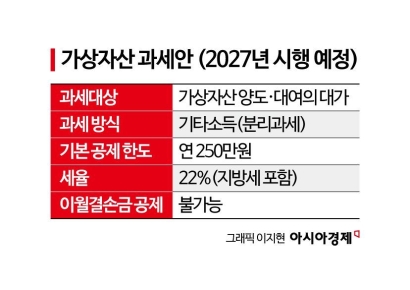 "Stocks Are Not Taxed, but Annual Crypto Gains Over 2.5 Million Won to Be Taxed Next Year... Investors Push Back"
- "Not Jealous of Winning the Lottery"... Entire Village Stunned as 200 Million Won Jackpot of Wild Ginseng Cluster Discovered at Jirisan
- "Even With a 90 Million Won Salary and Bonuses, It Doesn’t Feel Like Much"... A Latecomer Rookie Who Beat 70 to 1 Odds [Scientists Are Disappearing] ③
- "Rather Than Endure a 1.5 Million KRW Stipend, I'd Rather Earn 500 Million in the U.S." Top Talent from SNU and KAIST Are Leaving [Scientists Are Disappearing] ①
- "How Did an Employee Who Loved Samsung End Up Like This?"... Past Video of Samsung Electronics Union Chairman Resurfaces
Meanwhile, this study has not yet undergone peer review. Dr. Monje's research team anticipates that "(existing) research on side effects of cancer patient treatments may help in treating brain fog symptoms caused by COVID-19."
© The Asia Business Daily(www.asiae.co.kr). All rights reserved.







