"High-Frequency Thermal Therapy as Effective as Surgery for Kidney Cancer"
Yeouido St. Mary's Hospital Professors Jeong Dongjin and Son Dongwan Research Team
Applied Real-Time CT Fusion Imaging to Radiofrequency Ablation
More Effective in Kidney Preservation and Shorter Hospital Stay than Laparoscopic Surgery

Professor Jeong Dong-jin (left), Department of Radiology, Yeouido St. Mary's Hospital, and Professor Son Dong-wan, Department of Urology.
View original image[Asia Economy Reporter Lee Gwanju] A study has found that 'Radiofrequency Ablation (RFA)' is effective in treating renal cell carcinoma, known as kidney cancer.
The research teams of Professor Jeong Dongjin from the Department of Radiology and Professor Son Dongwan from the Department of Urology at the Catholic University Yeouido St. Mary's Hospital announced on the 2nd the results of a comparative analysis between radiofrequency ablation using real-time ultrasound-CT fusion imaging and laparoscopic kidney surgery for renal cell carcinoma. Radiofrequency ablation is a minimally invasive procedure that destroys cancer cells by inserting an electrode needle through the skin and applying heat of 60~100℃.
This study was conducted by comparing the length of hospital stay, kidney function, complications, and 5-year disease-free survival rate among a total of 85 patients diagnosed with renal cell carcinoma at Yeouido St. Mary's Hospital from 2013 to 2016 (39 patients in the radiofrequency ablation group and 46 patients in the laparoscopic surgery group).
The results showed that the radiofrequency ablation group had significantly better kidney function preservation and shorter hospital stays compared to the laparoscopic surgery group. There was no difference in complications or disease-free survival rates between the two treatment methods. This is understood to be because the real-time ultrasound-CT fusion imaging used during radiofrequency ablation improved tumor visibility and procedural accuracy, achieving the same therapeutic effect as laparoscopic surgery. Additionally, since radiofrequency ablation causes tumor necrosis by simply inserting the electrode needle, it was found to protect kidney function better and shorten hospital stays compared to surgery.
Professor Jeong Dongjin stated, “Radiofrequency ablation for kidney cancer is a safe treatment method currently performed in clinical practice, and this meaningful research result proves that the introduction of ultrasound-CT fusion imaging has advanced the effectiveness of radiofrequency ablation to the next level.” He added, “We will continue to devote ourselves to research to improve the prognosis of kidney cancer patients and to verify the effectiveness and safety of radiofrequency ablation.” Professor Son Dongwan explained, “For elderly patients or those with underlying diseases who are vulnerable to surgical and anesthesia risks, or when kidney tumors are difficult to access surgically, radiofrequency ablation is an effective treatment that can replace surgery.”
Hot Picks Today
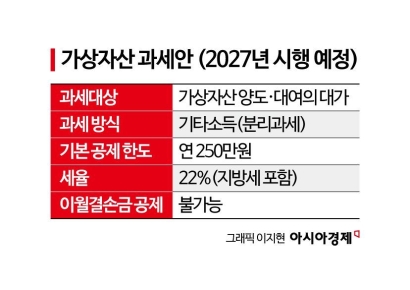 "Stocks Are Not Taxed, but Annual Crypto Gains Over 2.5 Million Won to Be Taxed Next Year... Investors Push Back"
- "Not Jealous of Winning the Lottery"... Entire Village Stunned as 200 Million Won Jackpot of Wild Ginseng Cluster Discovered at Jirisan
- The Second Donghak Ant Movement? ... Individual Investors Keep Buying Despite Foreign Sell-Offs [1-Minute Brief]
- "How Did an Employee Who Loved Samsung End Up Like This?"... Past Video of Samsung Electronics Union Chairman Resurfaces
- "Even With a 90 Million Won Salary and Bonuses, It Doesn’t Feel Like Much"... A Latecomer Rookie Who Beat 70 to 1 Odds [Scientists Are Disappearing] ③
This study was published in the March 2022 issue of the official journal of the Korean Urological Association, Investigative and Clinical Urology (IF: 2.186).
© The Asia Business Daily(www.asiae.co.kr). All rights reserved.