53% of Seoul's Female Single-Person Households... Female Elderly Single-Person Households 2.5 Times Higher Than Males
1 in 2 Seoul Citizens Believe 'Living Together Without Marriage Is Possible'
Increased Smartphone Dependence... 37.9% Women, 32.2% Men
23,000 More Male Basic Livelihood Security Recipients Than Females
[Asia Economy Reporter Lim Cheol-young] More than half of the 1.39 million single-person households in Seoul are women, and the number of single elderly women living alone is about 2.5 times that of men. One out of two Seoul citizens responded that two people can live together without getting married, and the proportion of people engaging in leisure activities alone increased by more than 7 percentage points within a year due to the impact of COVID-19.
On the 3rd, the Seoul Metropolitan Government announced the publication of the "2021 Seoul Gender Statistics: Seoul Women Seen Through Statistics," which comprehensively examines the living conditions of women and men residing in Seoul. This statistical report consists of 10 sectors, 43 areas, and 432 statistical indicators, covering population, family, childcare, education, economic activity and labor, health, welfare, political and social participation, culture and information, safety, and environment.

Looking at population changes, as of the second quarter of 2021, the registered population of Seoul was approximately 9.79 million, of which women accounted for 51.4% (about 5.039 million), 2.8 percentage points higher than men at 48.6% (about 4.756 million). The proportion of women in Seoul's population has been steadily increasing since 2005 (50.2%).
By age group, both women and men showed a decrease in the proportion of youth population (0-14 years) and a significant increase in the elderly population (65 years and older). The youth population ratio for women decreased from 15.7% in 2005 to 10.1% in 2020, and for men from 17.5% in 2005 to 11.2% in 2020. Conversely, the elderly population more than doubled during the same period, increasing from 8.4% to 16.7% for women and from 6.2% to 14% for men.
In particular, in 2020, there were about 1.39 million single-person households living alone in Seoul, of which about 740,000 households (53.2%) were female single-person households and about 650,000 households (46.8%) were male single-person households, showing a higher proportion of female single-person households. By age group, both women and men had the highest proportion in the youth group (20-34 years), and the number of elderly female single-person households (65 years and older) was 2.46 times higher than that of elderly male single-person households.

There is also a clear change in attitudes toward marriage. Half of both men and women (women 58.1%, men 60.8%) believe that "men and women can live together without getting married," and 28.1% of women and 31.6% of men think that "children can be born without marriage." Additionally, 52.7% of men compared to 47.2% of women believe that "family relationships should take precedence over the individuals in a marriage." Across all age groups, including teenagers, men placed more importance on family relationships in married life.
Regarding political participation, in the previously held 21st National Assembly election, the voter turnout rate among women (68.5%) was slightly higher than that of men (67.6%). By age group, women had higher voter turnout than men up to their 50s, but from age 60 and above, men’s turnout was higher. Notably, men in their 60s and 70s had a turnout rate exceeding 80%, the highest among all age groups.
In terms of social participation activities, "posting political and social opinions" through online platforms was the most common activity for both men and women (21% and 16.7%, respectively). This was followed by "filing complaints and proposals," "participating in rallies/demonstrations," "policy proposals," and "projects related to Seoul city policies." Overall, men showed higher rates of social participation than women.
Smartphone Dependence Increases... 38% of Women, 32% of Men Experience Health Issues
The amount of smartphone usage has steadily increased, and about one in three people have experienced health problems due to this. As of 2020, the average daily usage time of smart devices on weekdays was 2 hours for both men and women, with women increasing by 0.8 hours and men by 0.6 hours compared to the previous year. On holidays, women used smartphones for 2.3 hours and men for 2.5 hours, longer than on weekdays, with increases of 1 hour for women and 0.7 hours for men compared to the previous year.
Regardless of gender, one in three people (women 37.9%, men 32.2%) experienced health problems due to smartphone use. Among teenagers, many reported difficulties in performing tasks (studies) or conflicts with people around them due to smartphone overdependence. By age, women in their 40s and men in their 30s had the highest rates of health problem experiences. Additionally, 24.6% of women and 26.5% of men reported conflicts with people around them due to smartphone overdependence, and 30.4% of women and 29.8% of men experienced difficulties in work or study performance due to smartphone use.

Leisure Activities Alone Increased by 7 Percentage Points in One Year Due to COVID-19
Due to the impact of COVID-19, the response rate for engaging in leisure activities "alone" in 2020 increased by 7.2 percentage points compared to the previous year. Indoor activities such as watching videos and playing computer games increased, while travel, outdoor outings, and religious activities decreased.

As a result, time spent with family increased for both men and women after COVID-19, but one in three reported increased conflicts. The response "no change" in family conflicts was highest at 50.3% for women and 50.0% for men, but responses indicating "increased" family conflicts accounted for 34.7% of women and 33.4% of men.
Furthermore, 80.6% of women and 78.6% of men in Seoul considered home as a "space for rest and recharging," while 6.1% of women and 6.9% of men viewed home as a "means for asset accumulation."
Utilization Rates of Public Childcare Centers and Our Neighborhood Care Centers 'UP'... Basic Livelihood Security Recipients: 23,000 More Men than Women
Regarding childcare, the expansion of public care infrastructure has led to a continuous increase in utilization rates. The utilization rate of public childcare centers increased from 31.5% in 2017 to 43.8% in 2020. In the case of elementary school care, in addition to elementary after-school care classrooms, community child centers, and after-school academies, Our Neighborhood Care Centers have been established in each district, showing a continuous increase in usage over three years.

The number of basic livelihood security recipients was about 23,000 more men than women. As of 2020, there were approximately 164,000 men and 141,000 women recipients. Until 2015, the number of female recipients was higher than that of men, but from 2019 onward, the number of male recipients surpassed that of women.
The national pension recipient rate was also higher for men. As of December 2020, there were about 420,000 female national pension recipients and about 546,000 male recipients, with recipient rates (ratio of recipients to subscribers) of 14.9% for women and 22.0% for men. Although the female national pension recipient rate steadily increased from 11.9% in 2010 to 14.9% in 2020, the gender gap in recipient rates was also widening.
Regarding health management, the rate of regular exercise showed a marked gender difference in teenagers but almost disappeared and rose together from the 30s onward. Also, as of 2020, both women and men had regular health checkup rates exceeding 80% in all age groups except for those in their 20s. By age, men had slightly higher regular health checkup rates in their teens and 60s and above.
Hot Picks Today
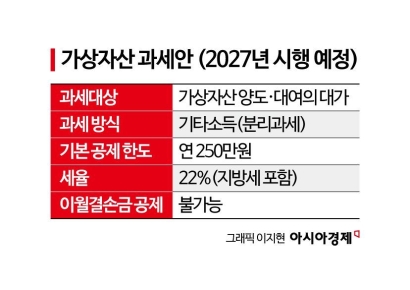 "Stocks Are Not Taxed, but Annual Crypto Gains Over 2.5 Million Won to Be Taxed Next Year... Investors Push Back"
- "Not Jealous of Winning the Lottery"... Entire Village Stunned as 200 Million Won Jackpot of Wild Ginseng Cluster Discovered at Jirisan
- "Rather Than Endure a 1.5 Million KRW Stipend, I'd Rather Earn 500 Million in the U.S." Top Talent from SNU and KAIST Are Leaving [Scientists Are Disappearing] ①
- "How Did an Employee Who Loved Samsung End Up Like This?"... Past Video of Samsung Electronics Union Chairman Resurfaces
- "Even With a 90 Million Won Salary and Bonuses, It Doesn’t Feel Like Much"... A Latecomer Rookie Who Beat 70 to 1 Odds [Scientists Are Disappearing] ③
Kim Seon-soon, Director of the Seoul Metropolitan Government’s Women and Family Policy Office, said, "The results of this gender statistics provide statistical evidence of the personal and social differences experienced by women and men in Seoul, which is expected to be very helpful in establishing tailored policies for each sector in the future." She added, "Through this, we will work to eliminate gender-based inequalities and enhance citizens’ perception of policies."
© The Asia Business Daily(www.asiae.co.kr). All rights reserved.