Wando Premium Dasima Harvest 'In Full Swing'... Continuing the Reputation of the Seaweed Town
Eco-friendly Seafood Certification for Seaweed, Proving Excellence in Taste and Nutrition

Wando-gun, which produces 70% of the nation's kelp, is in the midst of harvesting and drying operations. (Photo by Wando-gun)
View original image[Wando=Asia Economy Honam Reporting Headquarters Reporter Choi Kyung-pil] Wando, which produces 70% of the nationwide kelp production, held the first sale ceremony and safety prayer ritual on the 27th of last month, and kelp harvesting and drying work is currently in full swing.
According to Wando-gun on the 10th, as of the 9th, the auction volume of dried kelp recorded 555 tons, with the highest price per kilogram at 10,600 KRW, the lowest at 5,200 KRW, and the average price at 7,720 KRW. The expected production volume of dried kelp this year is 18,000 tons.
In Wando-gun, edible kelp is produced by 1,129 fishing households in Geumil-eup, Gogeum-myeon, and Yaksan-myeon, and kelp for abalone feed is farmed by 2,529 fishing households.
Kelp grown in clean waters has good taste and aroma and is rich in calcium, iron, magnesium, and vitamins. In particular, it contains alginic acid, which absorbs fine dust and heavy metals in the body and expels them.
Wando produces 40% of the nation's seaweed including kelp, gim (laver), miyeok (wakame), tot (seaweed), and maesaengi, and 73% of abalone, making it Korea's number one fisheries county.
Especially, more than 70% of Wando's seabed is formed of maekbanseok (a type of volcanic rock) that purifies and generates nutrient salts, which research has proven enhances the taste and nutrition of seafood.
Last year, 11 fishing households producing kelp and tot acquired the ASC-MSC international eco-friendly seafood certification for the first and largest number worldwide, and 36 fishing households farming kelp received eco-friendly organic seafood certification, establishing Wando-gun as the home of eco-friendly seafood.
Recently, the United States has also been paying attention to Wando seaweed. NASA released satellite images of seaweed farms, mentioning that Wando environmentally farms kelp, gim, and miyeok, and has optimal conditions for seaweed farming due to warm temperatures and gentle tidal differences, which became a hot topic.
Additionally, extracts from abalone viscera, tot, cheonggak (a type of seaweed), kelp, and miyeok stems have been reported to be effective in inhibiting COVID-19 virus penetration in the globally authoritative marine pharmaceutical journal ‘Marine Drugs’.
Hot Picks Today
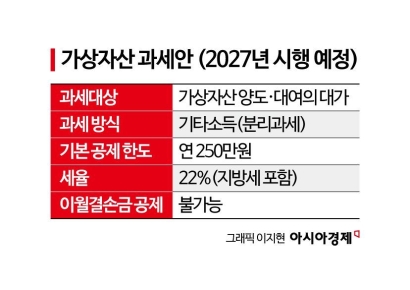 "Stocks Are Not Taxed, but Annual Crypto Gains Over 2.5 Million Won to Be Taxed Next Year... Investors Push Back"
- "Not Jealous of Winning the Lottery"... Entire Village Stunned as 200 Million Won Jackpot of Wild Ginseng Cluster Discovered at Jirisan
- "Rather Than Endure a 1.5 Million KRW Stipend, I'd Rather Earn 500 Million in the U.S." Top Talent from SNU and KAIST Are Leaving [Scientists Are Disappearing] ①
- "How Did an Employee Who Loved Samsung End Up Like This?"... Past Video of Samsung Electronics Union Chairman Resurfaces
- "Even With a 90 Million Won Salary and Bonuses, It Doesn’t Feel Like Much"... A Latecomer Rookie Who Beat 70 to 1 Odds [Scientists Are Disappearing] ③
County Governor Shin Woo-cheol said, “We will foster the marine bioindustry specializing in seaweed and abalone to revitalize the fishing village economy through job creation and income increase,” and added, “We will successfully lead the 2022 Wando International Seaweed Expo, held from April 15 to May 8 next year, to spread the value of seaweed worldwide, promote consumption, and accelerate the development of the seaweed industry.”
© The Asia Business Daily(www.asiae.co.kr). All rights reserved.







