'Chinese Naked Kimchi' Disguised as Domestic White Kimchi Raises Consumer Concerns

A video capture showing the interior of a kimchi factory in China. Photo by Online Community
View original image[Asia Economy Reporter Seoyoung Kwon] Amid the controversy over the so-called 'naked Chinese kimchi' video, some restaurants that falsified the origin of their kimchi have been caught, causing ongoing consumer anxiety.
Recently, a video purportedly showing a Chinese kimchi factory was released on an online community, sparking an uproar. The footage captured a naked Chinese man stirring salted napa cabbage and moving it with an excavator, raising hygiene concerns about Chinese-made kimchi among netizens.
As consumer anxiety naturally grew, authorities launched crackdowns related to kimchi origin labeling. The National Agricultural Products Quality Management Service conducted emergency inspections of 3,293 restaurants and other establishments nationwide from March 22 to March 28, resulting in over 130 violations. Most of these (92.3%) were general restaurants.
Among the restaurants caught for falsely labeling the origin, some washed Chinese napa cabbage kimchi and passed it off as domestic white kimchi. According to a KBS report, some business owners stated, "We only recently started using Chinese products," and "We thought it was okay because we mixed it with domestic ingredients."
Hot Picks Today
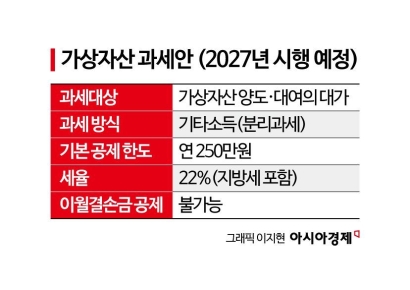 "Stocks Are Not Taxed, but Annual Crypto Gains Over 2.5 Million Won to Be Taxed Next Year... Investors Push Back"
- "Not Jealous of Winning the Lottery"... Entire Village Stunned as 200 Million Won Jackpot of Wild Ginseng Cluster Discovered at Jirisan
- "Rather Than Endure a 1.5 Million KRW Stipend, I'd Rather Earn 500 Million in the U.S." Top Talent from SNU and KAIST Are Leaving [Scientists Are Disappearing] ①
- "How Did an Employee Who Loved Samsung End Up Like This?"... Past Video of Samsung Electronics Union Chairman Resurfaces
- "Even With a 90 Million Won Salary and Bonuses, It Doesn’t Feel Like Much"... A Latecomer Rookie Who Beat 70 to 1 Odds [Scientists Are Disappearing] ③
Meanwhile, the Special Act on Import Food Safety Management was amended last April to apply the Hazard Analysis and Critical Control Points (HACCP) certification standards to imported foods, with the law scheduled to be implemented from July this year. However, due to the COVID-19 pandemic, discussions between the two countries have effectively halted, and specific inspection methods have yet to be determined.
© The Asia Business Daily(www.asiae.co.kr). All rights reserved.







