Seoul City Seeks Measures to Prevent and Eradicate Tap Water Larvae... Discussion Forum to Be Held on the 31st
Experts and the Ministry of Environment Share and Explore Measures to Strengthen Safe Water Quality Management from Larvae

[Asia Economy Reporter Lim Cheol-young] The Seoul Metropolitan Waterworks Authority is organizing a session to understand the biological characteristics of larvae that may occur in tap water and to explore and share systematic monitoring methods and effective response strategies for larval outbreaks.
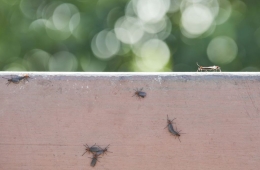
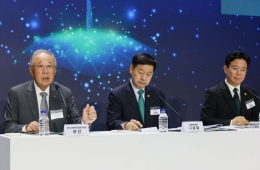
According to Seoul City on the 30th, the Waterworks Authority will hold a forum on the 31st to prepare for the occurrence of aquatic organisms (larvae) in tap water. The forum will include biological experts, water purification process specialists, and officials from the Ministry of Environment, who will present and share information on the characteristics of chironomids, changes in Seoul’s tap water management methods following larval incidents, and the revision of related manuals.
The forum will proceed with four thematic presentations and discussions. First, biological expert Professor Kwak In-sil from the Department of Marine Technology at Chonnam National University will present on "Ecological Characteristics and Management Measures of Chironomid Larvae." Next, water purification process expert Professor Maeng Seung-gyu from the Department of Civil and Environmental Engineering at Sejong University will present on "Domestic and International Cases of Larvae Occurrence and Prevention Measures." Lee Sang-mi, Head of Water Quality Analysis at the Seoul Water Institute, will present on "Research on Seoul Tap Water Larvae Response," and Seo Dae-hoon, Head of Production at the Waterworks Authority, will present on "Seoul Tap Water Larvae Response Plan."
Hot Picks Today
Baek Ho, Head of the Seoul Metropolitan Waterworks Authority, stated, “To prevent incidents such as the detection of larvae in tap water in some local governments last year, proactive operation management of water purification centers and facility improvements are necessary.” He added, “Through this forum, we will share the characteristics of chironomids and domestic and international cases, gather diverse opinions from experts and related agencies such as the Ministry of Environment, and do our best to produce and supply safe tap water.”
© The Asia Business Daily(www.asiae.co.kr). All rights reserved.