Myanmar Opposes Current Military Regime... Highest Death Toll Recorded in Large-Scale Resistance on 'Tatmadaw Day'
![On the 14th (local time), in Hlaingthaya, the largest city Yangon in Myanmar, protesters denouncing the coup are confronting the police while hiding behind shields they made themselves. [Image source=Yonhap News]](http://www.asiae.co.kr/news/img_view.htm?img=2021031917084140591_1616141321.jpg)
On the 14th (local time), in Hlaingthaya, the largest city Yangon in Myanmar, protesters denouncing the coup are confronting the police while hiding behind shields they made themselves. [Image source=Yonhap News]
View original image[Asia Economy Reporter Choi Eun-young] On March 27, large-scale resistance protests were held in Myanmar to mark Armed Forces Day. In response, the military continued indiscriminate shootings, recording the highest number of deaths in a single day since the coup.
According to local media 'Myanmar Now' on the 27th, protesters called the day 'Day of Resistance' and 'Day Against Military Dictatorship' to mark Armed Forces Day, holding large-scale demonstrations in the largest city Yangon and the second-largest city Mandalay.
Armed Forces Day was established to commemorate the armed struggle against the Japanese army that began on March 27, 1945. Tens of thousands of Myanmar citizens held protests across the country to mark Armed Forces Day.
In response, the military attacked protesters by firing live bullets and rubber bullets. They also set fire to barricades erected by protesters on the roads to neutralize them.
As of 5 p.m. that day, the death toll was reported to be 91, the highest number of deaths in a single day since the coup. In Yangon, it was reported that a 13-year-old girl was shot and killed by military police at her home.
Hot Picks Today
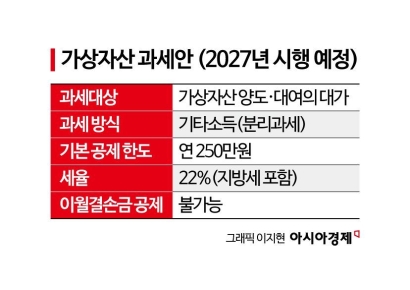 "Stocks Are Not Taxed, but Annual Crypto Gains Over 2.5 Million Won to Be Taxed Next Year... Investors Push Back"
- "Not Jealous of Winning the Lottery"... Entire Village Stunned as 200 Million Won Jackpot of Wild Ginseng Cluster Discovered at Jirisan
- "Even With a 90 Million Won Salary and Bonuses, It Doesn’t Feel Like Much"... A Latecomer Rookie Who Beat 70 to 1 Odds [Scientists Are Disappearing] ③
- "Rather Than Endure a 1.5 Million KRW Stipend, I'd Rather Earn 500 Million in the U.S." Top Talent from SNU and KAIST Are Leaving [Scientists Are Disappearing] ①
- "How Did an Employee Who Loved Samsung End Up Like This?"... Past Video of Samsung Electronics Union Chairman Resurfaces
The Myanmar military held a military parade in the capital Naypyidaw with thousands of soldiers mobilized that day. Senior General Min Aung Hlaing warned of a tough crackdown, stating, "We cannot tolerate terrorist acts that threaten the nation's peace and social security."
© The Asia Business Daily(www.asiae.co.kr). All rights reserved.







