Gwangyang City Brings Abandoned Railways to Citizens through K-Forest New Deal
Transforming the Decommissioned Gyeongjeon Line into a Premium Urban Forest to Coincide with the Provincial Art Museum Opening

[Asia Economy Honam Reporting Headquarters, Reporter Heo Seon-sik] Gwangyang City announced on the 15th that, ahead of the opening ceremony of the Jeonnam Provincial Museum of Art on the 22nd, it has transformed a section of the former Gyeongjeon Line railway near the museum?closed since the double-tracking railway project in 2016?into the ‘East-West Integrated Namdo Pilgrimage Scenic Forest’ and returned it to the citizens.
This urban forest project utilizes the abandoned section of the Gyeongjeon Line (opened in 1968), which connected Jeolla and Gyeongsang provinces. Emphasizing the symbolism of East-West harmony, the area includes cultural and artistic spaces such as the Jeonnam Provincial Museum of Art, Gwangyang Art Warehouse, and Gwangyang Smart Library, focusing on enhancing its value as a new tourist resource.
To this end, the city created an East-West harmony themed forest using Gwangyang’s city tree, the Gorosoe tree, and Hadong’s county tree, the ginkgo tree. Additionally, by planting over 30 species of trees including cherry blossoms, cornelian cherry, magnolia, maple, and camellia, the forest offers visitors the opportunity to enjoy flowers and autumn foliage throughout the four seasons. It is expected to become a premium urban forest where visitors can read books and engage in creative activities in the forest after visiting the museum.
Since 2016 until last year, the city has invested approximately 2.3 billion KRW, including national funds, to gradually restore the green axis in the Gwangyang-eup area, which was severed by the railway. In line with the Green New Deal policy aimed at building green infrastructure and realizing a future society where people and nature coexist, the city plans to firmly establish a foundation for advancing toward a low-carbon society.
With an additional budget of 4 billion KRW this year, the completion of lifestyle-oriented forests on the abandoned railway sites around Yudang Park and the Driver’s License Examination Office will create a 4 km green axis connecting the Dongil Tunnel at the Suncheon border, LF Outlet, Driver’s License Examination Office, Provincial Museum of Art, and Yudang Park. This green axis is expected to become a landmark of Gwangyang-eup alongside Dong and Seocheon.
Kim Jae-bok, Director of the Greenery Division, said, “As travel remains restricted due to COVID-19, citizens’ interest and demand for urban forests are gradually increasing. We will focus administrative efforts on continuously expanding various types of urban forests within living areas.”
Hot Picks Today
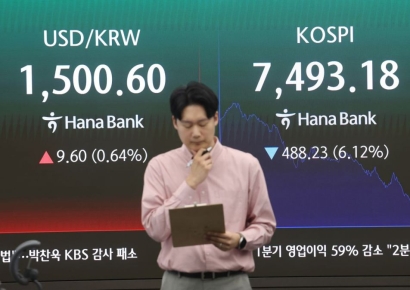 After Topping 8,000 Instead of Hitting 10,000... KOSPI Plunges—When Will It Rebound?
- "Samsung and Hynix Were Once for the Underachievers"... Hyundai Motor Employee's Lament
- [Breaking] Court Rules Against Samsung Electronics Union...1 Billion Won per Day Penalty for Exceeding Strike Scope
- Six Economic Organizations Urge Withdrawal of Samsung Electronics Strike Plan...Warn of National Loss of Opportunity
- "That? It's Already Stashed" Nightlife Scene Crosses the Line [ChwiYak Nation] ③
He added, “Next year, we will make our best efforts to secure national funding for new projects such as creating urban wind path forests and lifestyle-oriented outdoor gardens, as well as fine dust blocking forests, accelerating the creation of a forested Gwangyang to achieve carbon neutrality by 2050.”
© The Asia Business Daily(www.asiae.co.kr). All rights reserved.







