Resumption of Pig Restocking Procedures in Gyeonggi and Gangwon from the 16th

[Sejong=Asia Economy Reporter Kim Hyun-jung] The restocking procedures for pigs at pig farms in the Gyeonggi and Gangwon regions will resume starting from the 16th.
The Central Disaster and Safety Countermeasures Headquarters for African Swine Fever (ASF) announced that the ban on the removal of pigs and manure from all pig farms in Hwacheon, Gangwon, has been lifted as of 0:00 on the 15th.
This decision comes after 30 days have passed since the last infected farm in Hwacheon was culled and disinfected on the 13th of last month, and no abnormalities were found in detailed inspections of farms within a 10 km radius. Previously, the restocking procedures in this area were temporarily suspended following the outbreak of African Swine Fever at a pig farm in Hwacheon on the 9th of last month.
Pig farms that have completed restocking evaluations are expected to be able to restock within this month depending on their restocking reports and pig supply contracts. However, considering expert opinions, the restocking of sows (breeding and replacement sows) will be restricted for a certain period at pig farms located near wild boar ASF outbreak sites.
Additionally, pig farms located within a 500 m radius of the outbreak site will be restricted from restocking for 3 months from the date of occurrence, and those within 500 m to 3 km will be restricted for 1 month to prevent the introduction of contaminants into the farms.
The government also plans to designate 11 cities and counties where ASF has occurred in domestic pigs and wild boars, as well as 8 adjacent cities and counties, as "Intensive Quarantine Management Zones" starting from the 16th to strengthen quarantine management.
An official from the Ministry of Agriculture, Food and Rural Affairs stated, "The most effective way to prevent the occurrence and spread of livestock infectious diseases is to thoroughly implement biosecurity measures at the farm level to block the introduction of contaminants and to disinfect." They emphasized, "Farm personnel should strictly adhere to basic biosecurity rules even if it causes some inconvenience."
Hot Picks Today
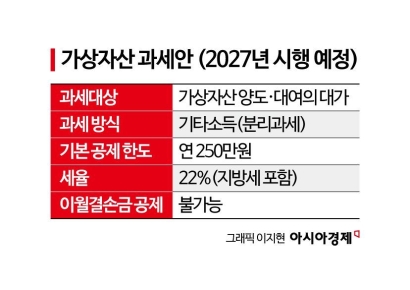 "Stocks Are Not Taxed, but Annual Crypto Gains Over 2.5 Million Won to Be Taxed Next Year... Investors Push Back"
- "Not Jealous of Winning the Lottery"... Entire Village Stunned as 200 Million Won Jackpot of Wild Ginseng Cluster Discovered at Jirisan
- "Rather Than Endure a 1.5 Million KRW Stipend, I'd Rather Earn 500 Million in the U.S." Top Talent from SNU and KAIST Are Leaving [Scientists Are Disappearing] ①
- "How Did an Employee Who Loved Samsung End Up Like This?"... Past Video of Samsung Electronics Union Chairman Resurfaces
- "Even With a 90 Million Won Salary and Bonuses, It Doesn’t Feel Like Much"... A Latecomer Rookie Who Beat 70 to 1 Odds [Scientists Are Disappearing] ③
Meanwhile, the Ministry of Agriculture, Food and Rural Affairs also announced on the same day that highly pathogenic avian influenza antigens have been detected in domestic wild birds since late October, and overseas outbreaks have recently surged. As of the 14th, a total of four cases of highly pathogenic avian influenza antigens have been found at migratory bird habitats (wild birds) in Cheonan (2 cases), Yongin (1), and Icheon (1), with no outbreaks reported at poultry farms.
© The Asia Business Daily(www.asiae.co.kr). All rights reserved.







