Kim Sung-jin, CEO of MedPacto, Identifies Mechanisms of Relapse and Resistance in Chronic Myeloid Leukemia
Inhibiting Overexpression of Gdpd3 Suppresses Cancer Stem Cell Formation

[Asia Economy Reporter Eunmo Koo] A new mechanism has been identified in which specific lipid mediators are involved in the formation of cancer stem cells, the cause of relapse and drug resistance in chronic myelogenous leukemia (CML).
MedPacto announced on the 22nd that a paper on a fundamental treatment method for chronic myelogenous leukemia, involving CEO Seongjin Kim as a researcher, has been published in the prestigious international online journal Nature Communications.
The published paper is titled "The lysophospholipase D enzyme Gdpd3 is required to maintain chronic myelogenous leukemia stem cells."
The study involved a collaborative effort between CEO Seongjin Kim's research team, who also serves as the Director of the Precision Medicine Research Center at the Next-Generation Convergence Technology Institute, and international cancer experts including Professor Kazuhito Naka from Hiroshima University in Japan.
Chronic myelogenous leukemia is a malignant blood cancer caused by the excessive proliferation of abnormal cells in the bone marrow. Current treatments mainly include hematopoietic stem cell transplantation or administration of the targeted therapy drug Imatinib, but these fail to eliminate cancer stem cells, which cause drug resistance, resulting in a high relapse rate.
The research team discovered that when lysophospholipids are metabolized, various lipid mediators are produced, which induce self-renewal of cancer stem cells and cause drug resistance. In particular, the Gdpd3 gene is involved in the production of these lipid mediators and was found to be overexpressed in cancer stem cells of patients with relapsed chronic myelogenous leukemia for the first time.
Hot Picks Today
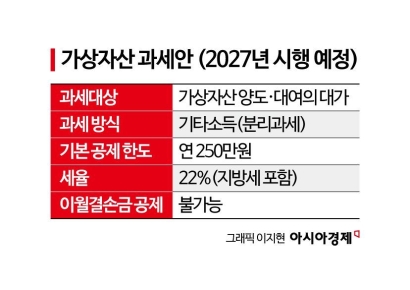 "Stocks Are Not Taxed, but Annual Crypto Gains Over 2.5 Million Won to Be Taxed Next Year... Investors Push Back"
- "Not Jealous of Winning the Lottery"... Entire Village Stunned as 200 Million Won Jackpot of Wild Ginseng Cluster Discovered at Jirisan
- "Even With a 90 Million Won Salary and Bonuses, It Doesn’t Feel Like Much"... A Latecomer Rookie Who Beat 70 to 1 Odds [Scientists Are Disappearing] ③
- "Rather Than Endure a 1.5 Million KRW Stipend, I'd Rather Earn 500 Million in the U.S." Top Talent from SNU and KAIST Are Leaving [Scientists Are Disappearing] ①
- "How Did an Employee Who Loved Samsung End Up Like This?"... Past Video of Samsung Electronics Union Chairman Resurfaces
CEO Seongjin Kim stated, "It has long been recognized that lipid mediators play an important role in the carcinogenesis process, but recent advances in lipid analysis techniques have revealed that numerous specific lipids in the body are involved in cancer growth, relapse, and drug resistance, attracting attention as new clinical targets." He added, "Through analysis of specific lipids, it may be possible to predict drug resistance or cancer relapse, and new drug development targeting lipid mediators could also be feasible."
© The Asia Business Daily(www.asiae.co.kr). All rights reserved.







