Nasdaq Tightens IPO Regulations... "Chinese Companies Face Greater Challenges in Fundraising"
[Asia Economy Beijing=Special Correspondent Park Sun-mi] The Nasdaq, a US stock market, is expected to make it more difficult for Chinese companies to raise funds by tightening regulations on initial public offerings (IPO).
According to major foreign media including the South China Morning Post (SCMP) in Hong Kong on the 19th, Nasdaq is set to announce new, stricter IPO regulations soon. Sources said that the new regulations will require companies from certain countries, including China, to either have an IPO size of at least $25 million or, if not, to mandatorily raise at least one-quarter of their post-listing market capitalization.
This is the first time Nasdaq has set a minimum mandatory fundraising amount in its IPO regulations. Although the new rules will not explicitly target Chinese companies, among the 155 Chinese companies listed on Nasdaq since 2000, 40 conducted IPOs smaller than $25 million. Therefore, if the new regulations are applied, Chinese companies' IPOs will inevitably face significant obstacles.
Hot Picks Today
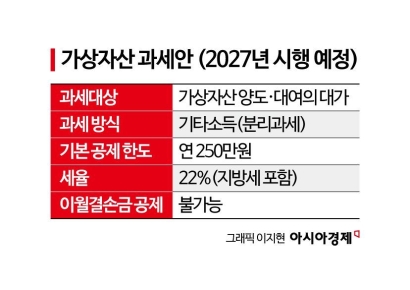 "Stocks Are Not Taxed, but Annual Crypto Gains Over 2.5 Million Won to Be Taxed Next Year... Investors Push Back"
- "Not Jealous of Winning the Lottery"... Entire Village Stunned as 200 Million Won Jackpot of Wild Ginseng Cluster Discovered at Jirisan
- "Even With a 90 Million Won Salary and Bonuses, It Doesn’t Feel Like Much"... A Latecomer Rookie Who Beat 70 to 1 Odds [Scientists Are Disappearing] ③
- "Rather Than Endure a 1.5 Million KRW Stipend, I'd Rather Earn 500 Million in the U.S." Top Talent from SNU and KAIST Are Leaving [Scientists Are Disappearing] ①
- "How Did an Employee Who Loved Samsung End Up Like This?"... Past Video of Samsung Electronics Union Chairman Resurfaces
Nasdaq's move comes amid concerns over the lack of accounting transparency among Chinese companies and the fact that most shares are traded by a small number of insiders. However, given that this measure is being considered amid US-China conflicts over trade, technology, and responsibility for the spread of COVID-19, it can also be interpreted as a deliberate financial market sanction by the US against Chinese companies.
© The Asia Business Daily(www.asiae.co.kr). All rights reserved.







