2000 won for restroom use without ordering... Kiosk notices spreading
Controversy Over Paid Restroom Policies Spreads ... Opinions Divided Between "Reasonable Measure" and "Too Harsh"
In fact, while it was originally a gesture of consideration by business owners, there is a culture that we have taken for granted: the use of restrooms inside business establishments. While in Europe and other countries, using the restroom often comes with a fee, in Korea, the perception that restrooms should be "free" has naturally become established over a long period of time. However, as cases of cafes charging restroom fees have recently become more widespread, debate over the issue is growing. A photo of a kiosk displaying a notice that "2000 won will be charged for using the restroom without ordering" has been widely shared on social media, intensifying the split in public opinion.
In reality, for several years now, many businesses-including cafes-have already stopped keeping their restrooms freely open to the public. Policies such as installing door locks on restroom entrances or printing access codes on receipts for paying customers are now the norm. Business owners cite discomfort caused by unauthorized outside users as the reason. The ongoing costs for cleaning and consumables such as toilet paper and soap, combined with some customers' rude behavior, have made restroom management increasingly difficult. In online communities for small business owners, complaints such as "many people use the restroom and just leave," and "at the very least, they should order a drink," are frequently posted.
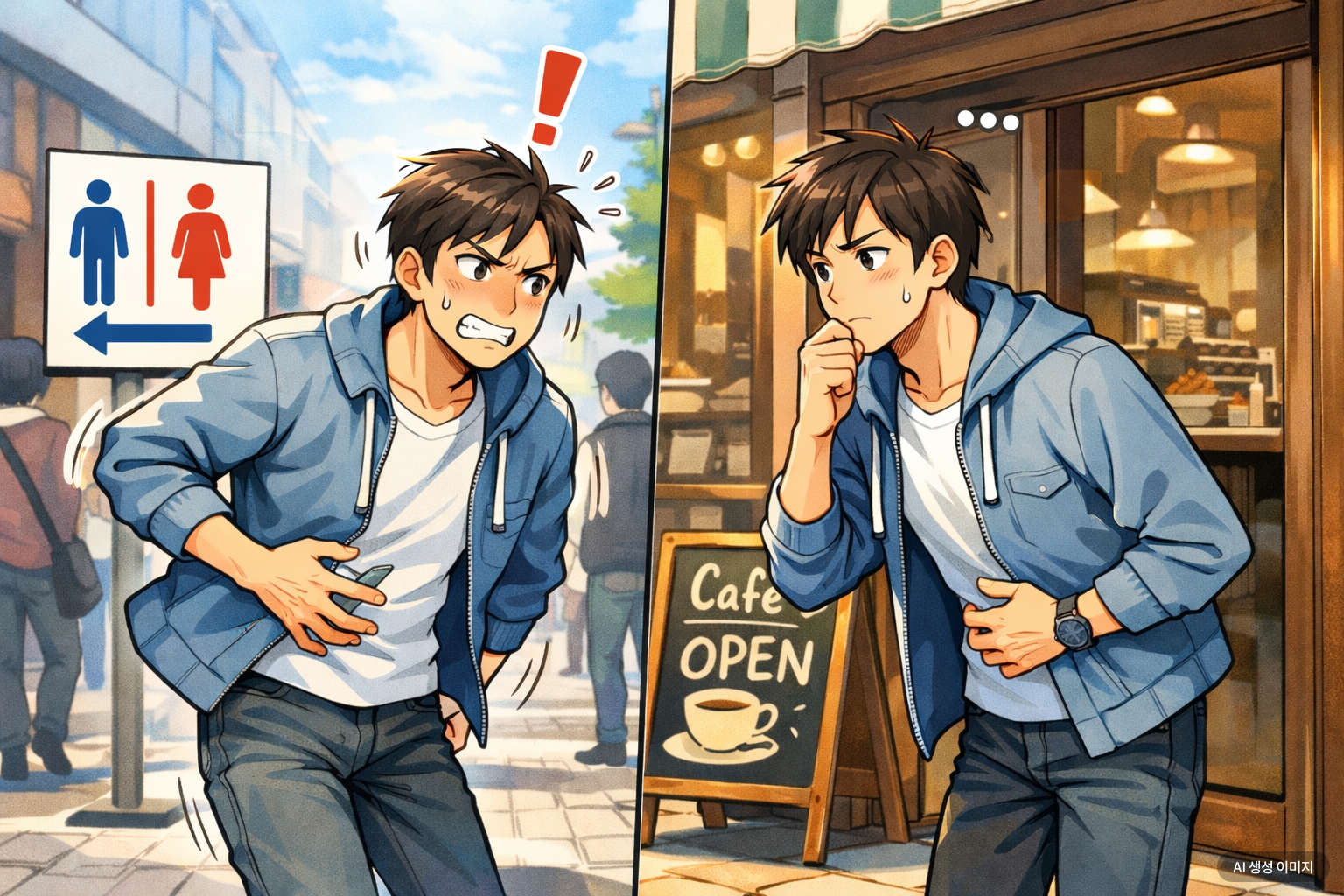
Many stores operating 'customers only' policies with door locks, etc.
Self-employed say "Difficult to bear cleaning burden and rude use"
"Paying for natural needs?" vs "Private space, charging is justified" debate intensifies
"A Reasonable Measure" vs "Charging for a Bodily Function" - Split Perspectives
However, while using passwords or keys to restrict access is commonly accepted, opinions are sharply divided over actually charging a fee. Supporters argue that charging is justified because a cafe restroom is not a public facility. Especially in unmanned cafes or locations with heavy foot traffic, restrooms essentially become public facilities, making charging a fee an unavoidable choice to cover management costs.

In fact, it was the establishment's consideration, but we have come to take a culture for granted. That is the use of restrooms inside business premises. While in Europe and other overseas countries, restroom use is often charged, in Korea the perception of "free" has long been naturally established. Photo by Huh Young-Han
원본보기 아이콘On the other hand, opponents express strong resistance. Some say, "Restrooms are for urgent biological needs, so demanding money is excessive," or "It feels like society is losing its sense of warmth and empathy." Others suggest that allowing restroom use could turn people into regular customers in the long run, arguing that charging a fee could be a loss from a broader perspective. The root of this conflict can be traced to "loss aversion psychology." When a previously free service becomes paid, people feel as though they are being stripped of a right, rather than simply being asked to pay more. As a result, backlash tends to be strong regardless of the actual amount charged.
"Private Facility, Fees Permitted" - Legally Not an Issue
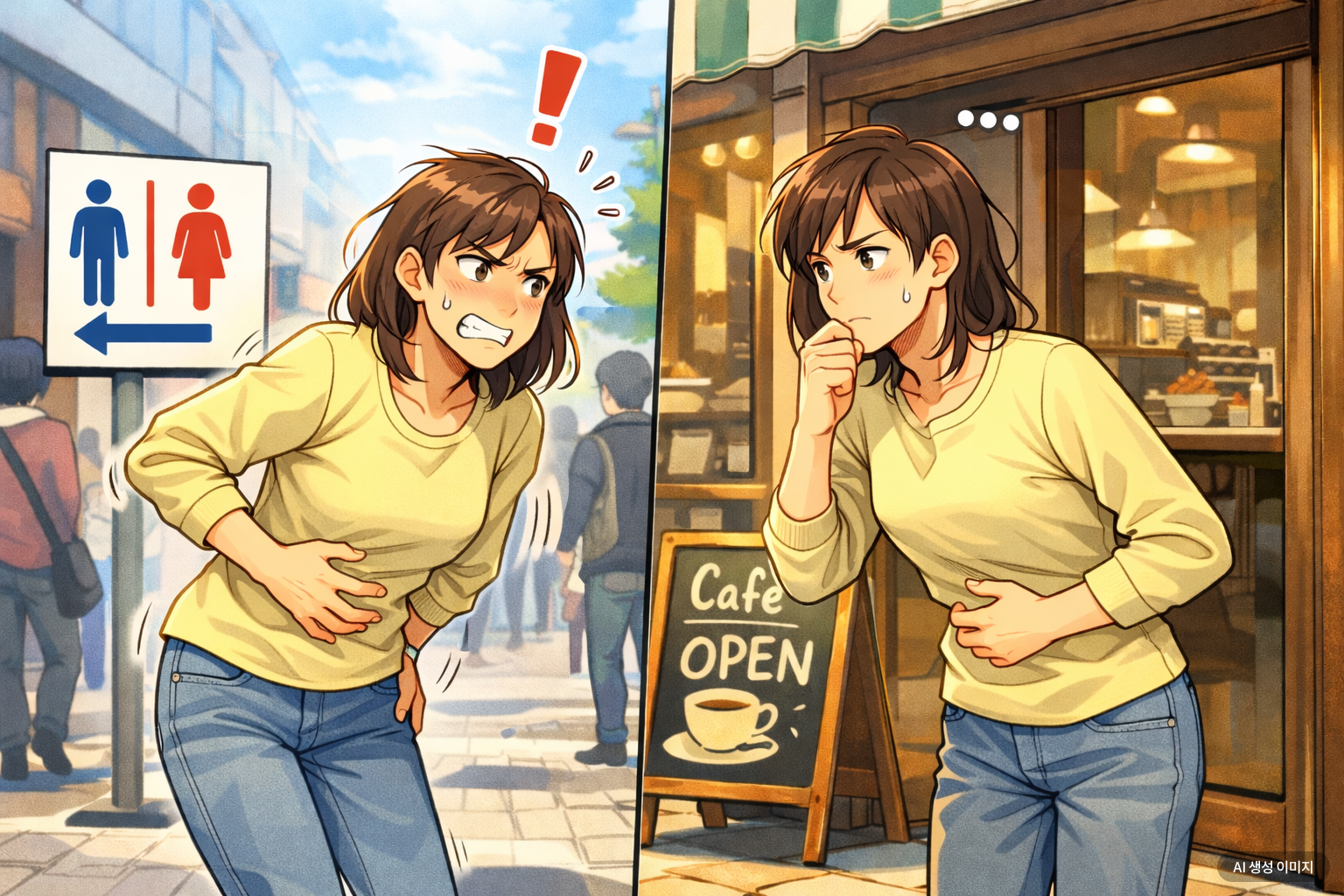
Impact of Increasing Loss Aversion Psychology Due to Resistance to 'Free to Paid' Transition
Legal Community: "Private Facilities, Not Public Ones... Charging Fees Is Possible"
Paid Use Common in Europe... U.S. and Japan Also Operate 'Customer-Only' Restrictions
Perception of 'Free Restrooms' Shaken... Signs of Convenience Turning Into Costs
Disputes over restroom use have sometimes escalated to legal conflicts or even police intervention in the past. Last year, at a major franchise cafe, a quarrel broke out between a man who used the restroom without ordering and the business owner who tried to stop him, leading to police involvement. The man claimed that the owner blocked the exit and pressured him to make a purchase, while the owner countered that stress from rude, unauthorized users justified the enforcement.

Most subway and train station restrooms in Europe require a fee, typically costing between 0.5 to 1 euro (or the local currency), which must be paid directly to a machine or attendant. The Asia Business Daily
원본보기 아이콘So, is it legally permissible for cafes to charge for restroom use? The prevailing interpretation among legal experts is that it is indeed allowed. Because cafe restrooms are classified as "private facilities" rather than public restrooms, business owners have the right to set usage conditions and fees. However, fees must be clearly announced in advance and must not exceed what is considered reasonable in society. Generally, a fee of 1,000 to 2,000 won is considered appropriate.
Common Practice Overseas-Paid in Europe, Implicit Restrictions in Japan
Interestingly, while there is strong resistance to paid restrooms in Korea, it is generally accepted in other countries. In Europe, not only public restrooms but also some cafes commonly charge usage fees. In return, many say the cleanliness standards are higher. In Japan, while most restrooms are free, notices stating "for customers only" are widespread, so non-customers are effectively restricted. In the United States, restroom policies vary by store, but "customer-only restrooms" are also common.

Ultimately, this debate is analyzed not as a simple fee issue but as a clash of social awareness and culture. For business owners, it is a practical choice to reduce costs and management burdens, while for users, it is a fundamental demand expecting at least minimal convenience. Photo by Jo Yongjun
원본보기 아이콘Ultimately, analysts say that this controversy is not just about a simple fee, but rather a clash of social perceptions and culture. For business owners, it is a practical choice to reduce costs and management burdens, while for users, it is a fundamental demand for basic convenience. However, this debate could mark a turning point, with expectations that more businesses will implement usage restrictions or fees for restrooms, even if Korea does not go as far as Europe in making all public restrooms paid.
Some observers point out that the long-standing "free restroom" culture is now at a crossroads, and predict that users will increasingly accept paid restrooms as a new standard for consumption. Just as complimentary side dishes in restaurants have gradually become paid options over time, restroom use may also be restructured in line with changing times.
-

Reporter Bang Jeil zeilism@asiae.co.kr
-
Edit Kang Dongwon kangdw76@asiae.co.kr
© The Asia Business Daily(www.asiae.co.kr). All rights reserved.

![[Exclusive] "Looking Beyond Financial Statements for Future Value"... IBK Injects 170 Billion Won into 72 Innovative Companies](https://cwcontent.asiae.co.kr/asiaresize/304/2026011314545989464_1768283699.jpg)