As the Middle East war causes international oil prices to fluctuate, there are growing expectations that major countries may shift toward tighter monetary policy.
The Wall Street Journal (WSJ), citing CME Group data, reported on the 9th (local time) that investors now assign the highest probability to the U.S. Federal Reserve (Fed) cutting interest rates only once this year. Until last week, markets had expected two rate cuts in 2026.
WSJ: U.S. market expects only one rate cut this year... Possibility of hikes in Europe as well
There are also suggestions that rates could be kept unchanged. According to WSJ's analysis of the derivatives market, the probability of the Fed maintaining interest rates at the current level for the rest of the year has risen from 8% a week ago to 18%.
Rising energy prices can drive up inflation. Expectations that this price increase will continue further stimulate inflation expectations, leading to increased wage demands and pushing prices even higher. Before inflation surges, central banks in each country must implement containment measures. Typically, this means raising interest rates.
Not only in the United States but also in Europe, the possibility of interest rate hikes is gradually increasing. According to major foreign media outlets such as Bloomberg, the European interest rate swap market on this day reflected up to a 70% probability that the European Central Bank (ECB) would raise its policy rate twice by 25bp (1bp = 0.01 percentage point) each within the year. By the end of the year, the expected rate hike was up to 40bp.

Jerome Powell, Chair of the United States Federal Reserve System, is leaving the press conference after concluding the Federal Open Market Committee (FOMC) interest rate policy meeting held in Washington D.C. in January. Photo by Reuters Yonhap News
원본보기 아이콘Market expectations for future interest rate paths reversed after oil prices began to surge following Iran's airstrike on February 28. Prior to the airstrike, markets had expected inflation to fall below the 2% target and that the ECB would keep rates unchanged.
ECB officials have taken a cautious stance ahead of the monetary policy meeting scheduled for March 18-19, but as signs of a prolonged war emerge, concerns about inflation are gradually surfacing. Luis de Guindos, Vice President of the ECB, said on March 5, "The baseline scenario is that this situation is temporary," but added, "If it lasts longer, there is a risk that inflation expectations could change."
As inflation expectations are stimulated and concerns over rising prices grow, rate hikes are considered as containment measures
On the same day in the United Kingdom, government bond prices fluctuated amid the possibility of another rate hike within the year. The yield on 2-year UK government bonds soared to 4.239% during the session, up 0.37 percentage points from the previous close. Bond yields move in the opposite direction of prices. After a joint statement by the finance ministers of the Group of Seven (G7) indicating that they could take necessary actions such as releasing strategic oil reserves, yields stabilized somewhat, with the increase narrowing to 0.1 percentage points. Last week, the 2-year gilt yield had fallen by almost 0.5 percentage points. The 10-year gilt yield also jumped as much as 0.17 percentage points during the session but reduced its rise to 0.02 percentage points after the G7 statement.
Before the war, the interest rate market expected the Bank of England (BOE), the UK central bank, to cut its base rate-currently at 3.75%-one or two more times within the year. However, with the war ongoing and oil prices surging, expectations for rate cuts have disappeared, and the probability of a single rate hike within the year is now reflected at 57%.
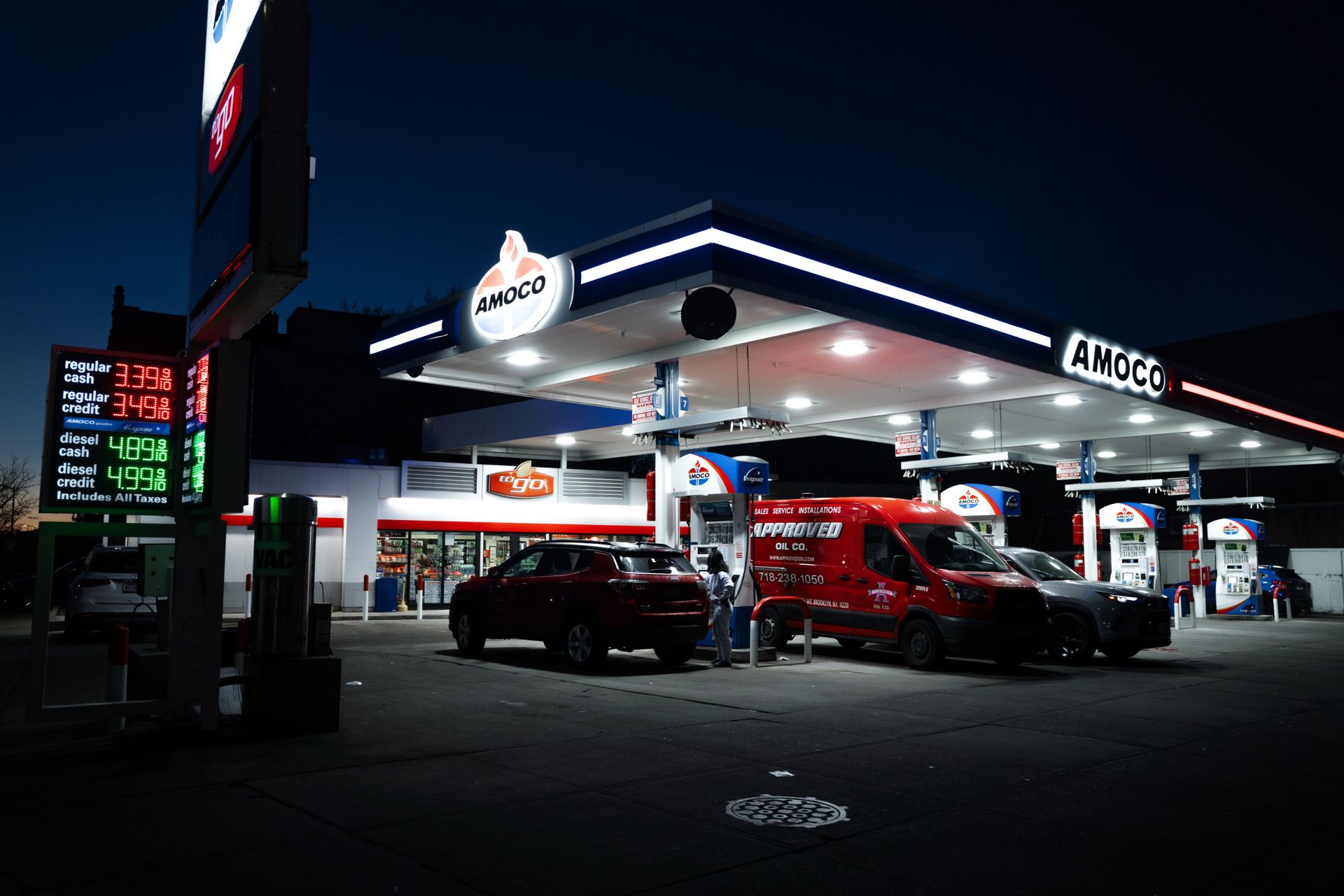
Meanwhile, both Brent crude and West Texas Intermediate (WTI) crude for April delivery soared to near $120 per barrel but plunged below $100 per barrel in the afternoon. The entire financial market experienced turbulence in line with oil price fluctuations, especially as news of the G7 discussing the release of strategic oil reserves led to a sharp rebound.
-

Reporter Shim Seongah heart@asiae.co.kr
-
Edit Lee Kijae happylee17@asiae.co.kr
© The Asia Business Daily(www.asiae.co.kr). All rights reserved.

![[Exclusive] "Looking Beyond Financial Statements for Future Value"... IBK Injects 170 Billion Won into 72 Innovative Companies](https://cwcontent.asiae.co.kr/asiaresize/304/2026011314545989464_1768283699.jpg)