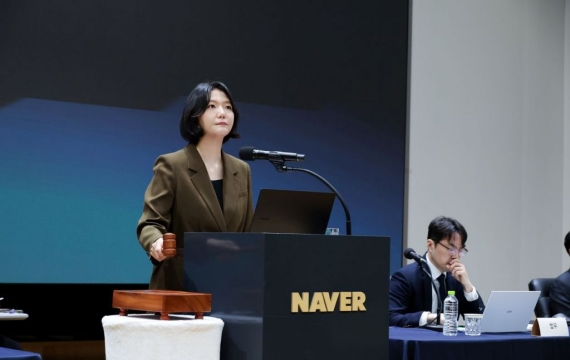
The Korea Fair Trade Commission (KFTC) has begun work on measures to improve the consumer protection framework for major online platforms such as Naver and Coupang, in line with their expanded influence. Although platforms have broadened their role from simple intermediation to encompassing sales, existing regulations remain stuck in the past, and the initiative aims to prevent consumer harm. Attention is focused on whether measures such as strengthening platforms' joint liability, which triggered strong backlash from the IT industry five years ago, will be included.
According to government authorities on the 19th, the KFTC recently commissioned a research project titled "Study on Improving the Consumer Protection System for Online Intermediary Service Providers under the E-Commerce Act." The research will run for six months, from April to October this year. Based on the findings, the KFTC plans to draw up amendments to the Act, its Enforcement Decree, and Enforcement Rules. In addition, it intends to conduct a preemptive process of gathering opinions through academic seminars and stakeholder meetings.
Six-month research project on consumer protection related to platforms
The KFTC is moving to strengthen consumer protection related to platforms because the law is trapped in an outdated framework that fails to reflect reality, while consumer damage continues to occur. The 2021 Merzy Point refund suspension incident and the 2024 Timef (Tmon + Wemakeprice) incident are representative examples. Under the current E-Commerce Act, an online intermediary service provider can largely avoid responsibility for consumer damage, such as obligations regarding payment or refunds, on the grounds that it is not a contracting party, as long as it notifies users that it is "not the actual seller." An "online intermediary service provider" is a business operator that provides the platform, and is distinguished from an "online seller," which directly sells products.

Another catalyst for institutional reform is the fact that large platforms have recently gone beyond simple intermediation to simultaneously handle payment and delivery, and even direct purchasing and resale, thereby breaking down the boundary between the two areas of online selling and online intermediary services. In the case of Coupang, the company not only sells its own private-brand products, but also provides payment collection and settlement services through Coupang Pay, and handles its own delivery through its subsidiary Coupang Logistics Service (CLS). Naver provides payment and settlement services through Naver Financial.
Intermediary and seller roles combined... Blurring boundaries and avoiding responsibility
This is not the first time the KFTC has examined the system related to online intermediary service providers. In 2021, it promoted an amendment to the E-Commerce Act requiring platforms that mix intermediary transactions and direct purchasing to separate and clearly label each product to prevent consumer confusion, and to impose joint liability with sellers when consumer damage occurs in connection with work performed by the platform (such as payment collection, settlement, or delivery). The proposed amendment also included provisions allowing consumers to claim damages directly not only from merchants on the platform but also from the platform itself. At the time, there was fierce backlash from the IT industry, which criticized the move as "overregulation," and the amendment ultimately failed to pass the National Assembly.
The KFTC's move to revisit the system after effectively five years is closely aligned with consumers' increasingly strict perception of platforms. According to the Korea Consumer Agency's "2025 Korea Consumer Life Index," 86.3% of consumers believe that platforms should also be held responsible in the event of a dispute. In addition, 85.8% perceive the platform as an actual contracting party. While the legal framework remains stuck in the past, this shows that consumer expectations are already demanding that platforms bear substantive responsibility.
Focus on whether scrapped E-Commerce Act amendment from five years ago will be included
Through this research, the KFTC plans to conduct a comprehensive survey of the domestic and overseas markets for online intermediary service providers and to review problems in the current legal framework by analyzing global legislative trends, including the European Union's Digital Services Act (DSA). The goal is to clearly define new consumer protection obligations and the scope of joint liability that correspond to the expanded role of platforms. A KFTC official stated, "As the scope of platforms' work has expanded, there is a market demand for their responsibilities to be strengthened as well," adding, "We will prepare effective institutional reform measures to prevent recurring cases of consumer damage."
-

Reporter Oh Yukyo 5625@asiae.co.kr
-
Edit Lee Kijae happylee17@asiae.co.kr
© The Asia Business Daily(www.asiae.co.kr). All rights reserved.

![[Exclusive] "Looking Beyond Financial Statements for Future Value"... IBK Injects 170 Billion Won into 72 Innovative Companies](https://cwcontent.asiae.co.kr/asiaresize/304/2026011314545989464_1768283699.jpg)