Seoul Officetel Transactions Plunge 66% in August from Previous Month... No Spillover Benefit from June 27 Lending Restrictions
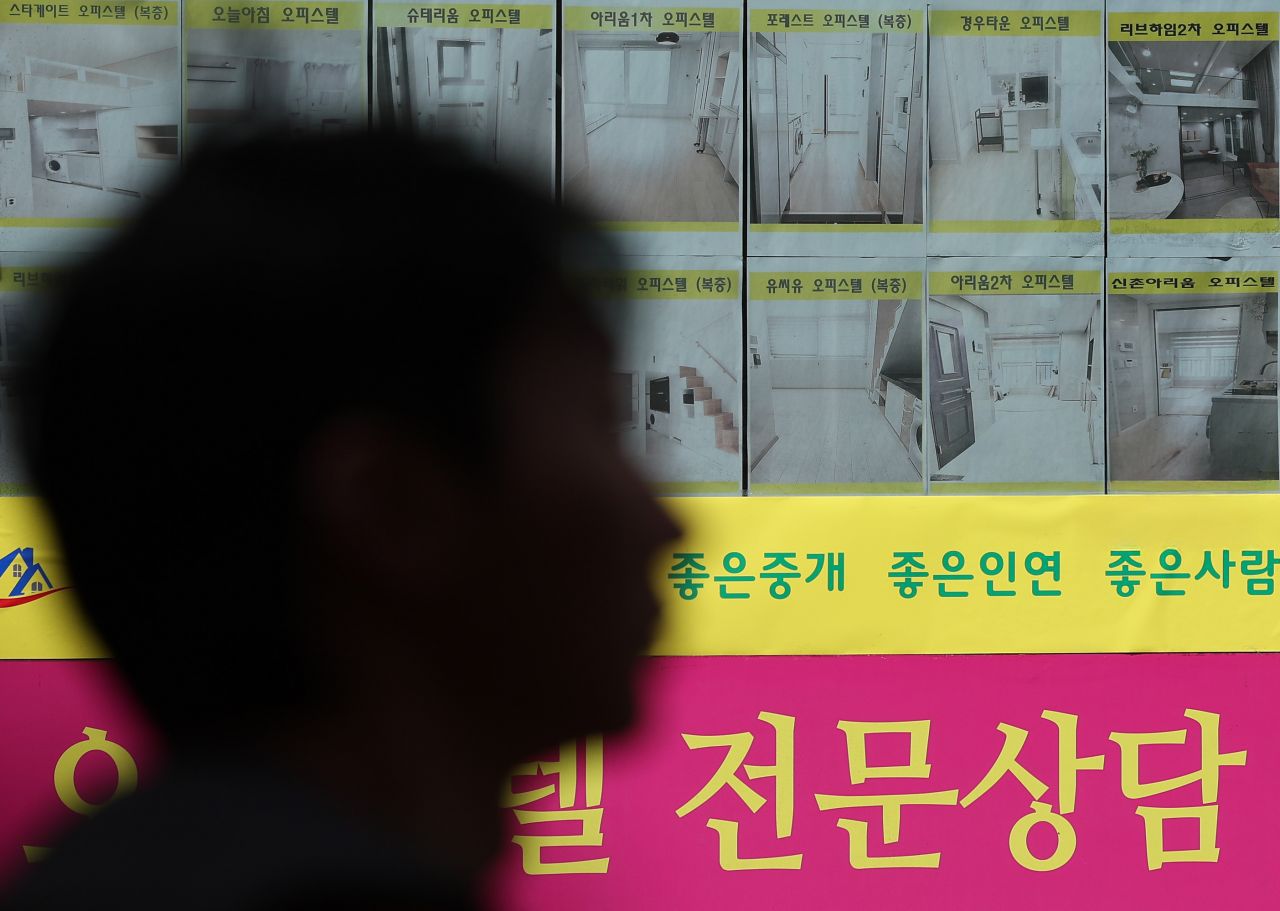
The outlook for the officetel market, which was expected to benefit from the June 27 lending restrictions, has dimmed. This month, the number of officetel transactions in Seoul shrank to just one-third of the previous month's volume. The chill in the housing market following the implementation of lending restrictions has now spread to the officetel sector. However, unlike the decline in transaction volume, both rental yields and sale prices continue to trend upward, leading to projections that interest in officetels will grow in the long term.
According to the Ministry of Land, Infrastructure and Transport's actual transaction price system, from August 1 to August 26, the number of officetel sales transactions in Seoul was 333, marking a 66.1% decrease compared to the previous month (983 transactions).
Officetel transaction volume has been on a downward trend for three consecutive months since recording 1,037 deals in May. In July, when the lending restrictions were fully implemented, there were 980 transactions, a slight decrease from the previous month. However, transactions dropped sharply this month, falling to just one-third of June's volume. Considering that real estate transaction reports can be filed up to 30 days after the contract, the final monthly total may increase by the end of August, but given the current trend, a steep decline in transaction volume is expected.

Sharp Decline in Transactions for Properties Priced Over 1 Billion Won... Investors Take a Wait-and-See Approach
Not only has the overall transaction volume decreased, but the number of high-priced officetel sales over 1 billion won has also dropped significantly. In June, before the lending restrictions took effect, there were 67 officetel transactions priced over 1 billion won. Among these, 10 properties were in the 2 billion won range, and 2 were in the 3 billion won range. In contrast, there were only 21 such transactions in July and just 12 from August 1 to 26. This month, there were no transactions in the 2 billion won range and only one in the 3 billion won range.
This stands in stark contrast to earlier expectations that officetels would become an alternative investment to apartments following the June 27 lending restrictions. In the Seoul metropolitan area and other regulated zones, the mortgage limit for apartments has been capped at 600 million won. However, officetels are classified as "quasi-residential" properties and are exempt from these restrictions. There are also no requirements for owner-occupancy or restrictions on loans for multiple property owners, leading to some forecasts that investment demand would shift to the officetel market.
Experts analyze that the contraction in transactions caused by lending restrictions is now spreading to the officetel market. Since most officetel buyers are motivated by investment rather than self-occupation, investment demand tends to shrink first during real estate market downturns. Real estate purchased for investment purposes typically reflects market sentiment more quickly.
Yang Jiyeong, Head of Asset Management Consulting at Shinhan Investment & Securities, explained, "For alternative demand to flow into the officetel market, the real estate market must be booming or apartment prices must be expected to rise. However, with apartment transactions slowing and further real estate regulations anticipated, investors appear to be taking a wait-and-see approach."
Some analysts argue that officetels, as income-generating real estate focused on rental yields, should be viewed separately from apartments and their investor base. Kim Hyosun, Chief Real Estate Specialist at NH Nonghyup Bank, stated, "Officetels are perceived as assets that depreciate quickly, so unlike apartments, their potential for asset value appreciation is limited. Therefore, the strengthened lending restrictions are unlikely to drive significant investment demand into officetels, which are classified as non-residential properties."

Lower Asset Value but Nearly 5% Rental Yield... Long-Term Outlook for Rising Monthly Rents
However, some forecasts suggest that the situation could reverse over time. Recently, rental yields have been rising, which could lead to increased transaction activity in prime urban locations in the long run. According to KB Real Estate statistics, the average rental yield for Seoul officetels has reached 4.8%, nearly hitting the 5% mark.
Expectations for rental income are also driving an upward trend in sale prices. The average sale price for Seoul officetels is 305.56 million won, up 5.14 million won from the same month last year (298.42 million won).
Kim Hyosun, Chief Real Estate Specialist, said, "Monthly rents are expected to continue rising, especially in prime locations like central Seoul where tenant demand is high. Since assets with long-term value growth potential are limited, as the value of rental income becomes more prominent, we are likely to see an increase in officetel transactions."
IndexReal War Tech
- Gold Reigns Supreme, Silver Disappoints Too... How Should You Invest?
- Are You Still Using "Eomka"?
- Few Transactions, But Better Than 5% Bank Interest
- What's the Point After Death... Use Your Death Benefit Like a Pension Starting at Age 55
-

Reporter Lee Jieun jelee0429@asiae.co.kr
-
Edit Yang Hyejin adoretj@asiae.co.kr
© The Asia Business Daily(www.asiae.co.kr). All rights reserved.

![[Exclusive] "Looking Beyond Financial Statements for Future Value"... IBK Injects 170 Billion Won into 72 Innovative Companies](https://cwcontent.asiae.co.kr/asiaresize/304/2026011314545989464_1768283699.jpg)