In Depth
The Planners
-
26.03.13 10:35
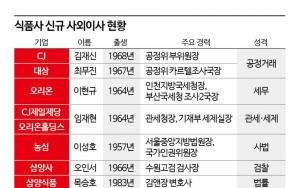
- ⑤After the Price-Fixing Scandal... Food Companies’ Boards Filled with Former Fair Trade and Tax Officials
-
Editor's NoteThe lighter the color, the higher the grade of the so-called "white powder." Flour, which was known as "Jingaru" and highly valued during the Joseon Dynasty, was imported in large quantities as aid after the Korean War, helping to fill the stomachs of people on a devastated Korean Peninsula. Now a staple in daily life?used in noodles, ramen, bread, and snacks?flour is an essential raw material for the food industry. When its price rises, not only do the prices of flour-based foods increase, but so do overall "table and dining-out prices," further burdening household expenses for ordinary people. The Asia Business Daily has reconstructed the process behind the "flour price-fixing" scheme, which is said to have reached 6 trillion won, based on the prosecution's indictment. Through this, we analyze how collusion over the past six years has made life more difficult for the public. Major food companies such as CJ, Daesang, and Orion are successively appointing former official
-
26.03.13 10:30
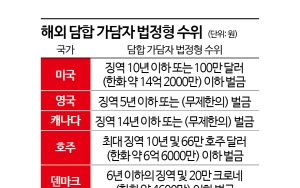
- "Would You Go to Jail for Your Company?"...10 Trillion Won Price-Fixing: 'Profitable Even If Caught' Era Ends ④
-
Editor's NoteThe whiter the powder, the more premium it is considered ? this is "white flour." In the Joseon Dynasty, it was called "jingaru" and was highly prized. After the Korean War, flour entered the Korean Peninsula in large quantities as aid, helping to fill the stomachs of people living in the ruins. Since then, flour has become a staple in Korean households, used to make noodles, ramen, bread, snacks, and more. As a key raw material for the food industry, when flour prices rise, not only do food products made from flour become more expensive, but "grocery and dining-out prices" also climb, increasing the cost of living for ordinary people. The Asia Business Daily reconstructed the planning process behind the "flour price-fixing" scheme worth 6 trillion won based on the prosecution’s indictment, and examined how this collusion has made life harder for ordinary citizens over the past six years. "Collusion that abuses market dominance is a cancer to the economy, blocking fair co
-
26.03.12 10:17
![Only Four Fines for Collusion in 10 Years... The Temptation of Cartels [The Architects]¨é](https://cwcontent.asiae.co.kr/asiaresize/319/2026031211370572397_1773283025.png)
- Only Four Fines for Collusion in 10 Years... The Temptation of Cartels [The Architects]③
-
Editor's Note The "white powder," classified as a premium product by its lighter color, was called "Jingaru" during the Joseon Dynasty and was regarded as a rare delicacy. After the Korean War, flour began to be imported in large quantities as aid goods, filling the stomachs of people living on the devastated Korean Peninsula. Flour has since become a staple in Korean households, forming the basis for essential foods such as noodles, ramen, bread, and snacks. As a key raw material in the food industry, any rise in flour prices has triggered not only increases in the prices of flour-based foods, but also in overall food and dining costs, thereby burdening household expenses for ordinary people. The Asia Business Daily, based on the indictment in the flour price-fixing case by prosecutors, has reconstructed the 6 trillion won "flour price cartel" scheme and analyzed how this cartel has made life more difficult for average citizens over the past six years. Over the past 10 years, there h
-
26.03.11 10:39
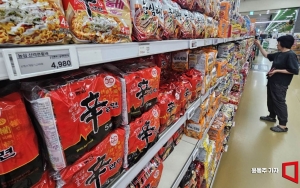
- "Ramen Prices Rose Again Even as Flour Prices Fell" ... The Burden Ultimately Increased for Consumers ②
-
Editor's NoteThe lighter the color, the higher the grade for "white powder." Wheat flour, once called "jingaru" during the Joseon Dynasty and regarded as a luxury, began to enter the devastated Korean Peninsula in large quantities as an aid item after the Korean War. It helped fill the bellies of the people. Flour, which has become a staple for everything from noodles to ramen, bread, and snacks, is an essential raw material for the food industry. When its price rises, not only do food products made from flour become more expensive, but so do "table prices" and dining-out prices, increasing the cost-of-living burden for ordinary people. The Asia Business Daily has reconstructed the process of designing the 6 trillion won "flour price cartel," based on the prosecution's indictment, and analyzed how this collusion has made life harder for ordinary people over the past six years.#Nongshim, the leading company in the domestic ramen market, raised the price of its flagship product, Shin Ram
-
26.03.10 09:55

- ① Even 'Big Company Manager Kim' Was Outmaneuvered... The Art of Collusion Targeting the Weakest Link
-
Editor's Note The whiter the color, the more it is considered a premium product ? such is the case with "white flour." During the Joseon Dynasty, flour was called "jingaru" and was treated as a luxury good. However, after the Korean War, flour was imported in large quantities as part of aid packages, helping to fill the bellies of a devastated Korean population. Since then, flour has become an essential staple in Korean households, featured in products such as noodles, ramen, bread, and snacks. As a core raw material for the food industry, any increase in flour prices has led not only to higher prices of flour-based foods but also to a rise in both grocery and dining-out costs, increasing the financial burden on ordinary people. Based on the indictment filed by prosecutors in the flour price-fixing case, The Asia Business Daily reconstructed how a "flour price cartel," worth up to 6 trillion won, was orchestrated. The investigation reveals how price-fixing over the past six years has m