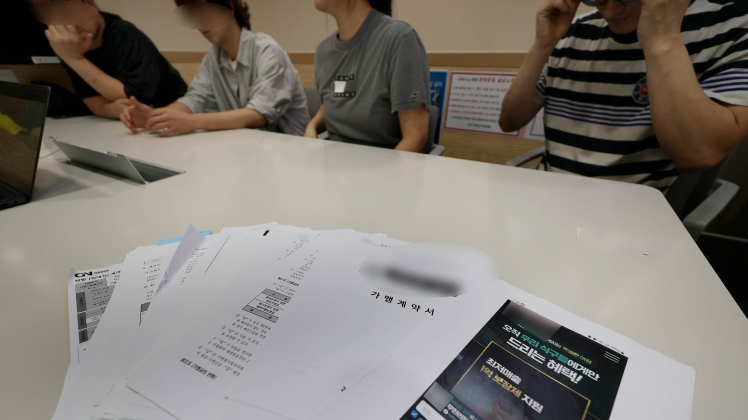
In Depth
The Trap of Small Capital Startups
-
25.11.07 10:18

- Small Capital Startup Owners Ultimately Hope for a Lottery Win
-
"Now, the only answer is the lottery. Buying a lottery ticket before heading to my shop on Monday has become my routine." While covering the feature article "The Trap of Small Capital Startups," I ended up exchanging jokes with fellow business owners my age. When I mentioned going to buy a lottery ticket before opening the shop, someone replied, "Shouldn't you be hoping for lots of customers and a booming business instead?" But the answer came back that winning the lottery is the only way to pay off the debt incurred at the time of starting the business. It's not that business is bad. His small beer pub, located in a busy area of the Seoul metropolitan area, is always bustling with customers despite its modest size. On good days, daily sales can reach 2.5 million won. And yet, he relies on the lottery, which is statistically a losing game. What has driven him to this point? Many novice business owners, often called "prospective entrepreneurs," choose to open franchise stores with guara
-
25.11.06 06:40

- Kim Namgeun of the Democratic Party: "Headquarters Hold All the Power in Korea... I Will Pass a Bill to Break the Mold" ⑧
-
Editor's NoteIn Korea, starting a franchise business often begins with taking on debt. Small business owners fall into the trap of "low-capital startup" schemes aggressively promoted by franchises eager to expand their networks, only to find themselves ensnared by forced loans. Even when these business owners generate sales, it is difficult for them to realize a profit. If their business falters even slightly, they are unable to sustain operations and are driven to bankruptcy. This article examines how small business owners are lured by the promise of "low-capital startups" during the franchise launch process, and how excessive borrowing can lead to dangerous consequences. "I will do my best to ensure the swift passage of the franchise package bill, which consists of three key legislative proposals aimed at resolving disputes between franchise headquarters and franchisees." Kim Namgeun, a member of the National Assembly's Political Affairs Committee from the Democratic Party of Korea,
-
25.11.06 06:30

- "Did You Sign a Contract Relying Only on Brand and Location?"... Experts' Startup Advice ⑦
-
Editor's NoteIn Korea, starting a franchise business often begins with taking on debt. Self-employed individuals are lured by the promise of "low-capital startups" from franchises eager to expand their network, only to find themselves trapped by aggressive loan recommendations. Even if these entrepreneurs generate sales, it is difficult for them to actually make a profit. If their business falters even slightly, they are unable to endure and often end up bankrupt. This article examines how self-employed individuals are enticed by the bait of "low-capital startups" during the franchise process, and how risky excessive loans can be. "You shouldn't start a business just by trusting the franchise headquarters. In the end, the responsibility falls on the self-employed owner." Yoon Hongkyung, who operates a budaejjigae (Korean army stew) franchise restaurant, has repeatedly opened and closed various franchise outlets, including unlimited pork belly, sashimi, kodari naengmyeon, and gomtang. T
-
25.10.19 07:30

- U.S. Franchises Last 47 Years, but in Korea Only a Brief 5 Years ⑥
-
Editor's NoteIn Korea, starting a franchise business often begins with taking on debt. Small business owners fall into the trap of "low-capital startups" promoted by franchises eager to expand their network, only to find themselves pressured into taking out loans. Even if sales are generated, it is difficult for these entrepreneurs to actually make a profit. If business slows down even slightly, the structure makes it hard to survive, often leading to bankruptcy. This article examines how small business owners are lured by the promise of "low-capital startups" during the franchise process, and how excessive borrowing can lead to dangerous consequences. According to the Korea Franchise Association, the average lifespan of a restaurant franchise company in Korea is 5.7 years as of 2021. This is extremely short compared to the United States, a "franchise powerhouse," where the average is 47.5 years. This means that many brands fail to survive long in the market and are quickly forgotten.
-
25.10.18 07:30
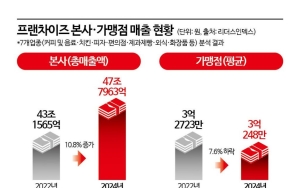
- ⑤Easy Profits for Headquarters: Franchisees Open, Headquarters Cash In
-
Editor's NoteIn Korea, starting a franchise business often begins with taking on debt. Small business owners fall into the trap of aggressive lending, lured by the promise of "low-capital startups" from franchises eager to expand their network. Even when sales are generated, franchisees who start out with loans find it difficult to actually make a profit. If business slows even slightly, many cannot withstand the pressure and end up bankrupt. This article examines how franchisees are enticed by the bait of "low-capital startups" during the franchise process and how excessive borrowing can lead to dangerous consequences. How do franchise headquarters make a profit? The franchise fee is the starting point of their revenue. When a new franchisee signs a contract, they pay a franchise fee to the headquarters, which usually starts at around 3 million to 5 million won, but for well-known franchises, the market price is set at over 10 million won. According to reporting by The Asia Business D
-
25.10.12 06:30
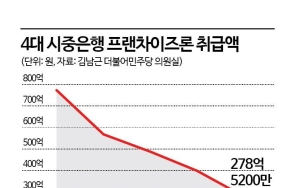
- Franchise Loans from Major Banks Plummet... Small Business Owners Driven to Secondary Lenders and Private Loans ④
-
Editor's NoteIn South Korea, starting a franchise business often begins with taking on debt. Many self-employed individuals fall prey to the lure of "low-capital startups" promoted by franchises eager to expand their network, only to find themselves trapped by aggressive loan recommendations. Even if these entrepreneurs generate sales, it is difficult for them to realize a profit due to the burden of debt. If their business underperforms even slightly, they are unable to sustain operations and are pushed into bankruptcy. This article examines how self-employed individuals are enticed by the promise of "low-capital startups" during the franchise process, and how excessive loans can lead to dangerous consequences. Although commercial banks offer "franchise loans" for self-employed individuals lacking startup capital, it has been revealed that the franchise industry often encourages borrowers to take out larger, higher-interest loans through secondary financial institutions, liquor loans,
-
25.10.09 06:30
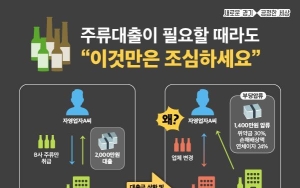
- "Who Starts a Business With Their Own Money These Days?"... Franchise Headquarters Forcing 'Debt-Fueled Startups' ③
-
Editor's NoteIn Korea, starting a franchise business begins with taking on "debt." Self-employed individuals often fall into the trap of aggressive loan recommendations, lured by franchise companies that are eager to expand their networks and promote "low-capital startups." Those who start their businesses with loans find it difficult to make a profit even if sales are good. If business slows even slightly, they are unable to endure and often face bankruptcy. This article examines how aspiring entrepreneurs are enticed by the bait of "low-capital startups" during the franchise process, and how excessive borrowing can lead to dangerous consequences. "Our headquarters no longer offers direct loans, but we can connect you with other options." At the franchise expo held at COEX in Seoul on August 22, franchise companies prominently advertised "low-capital startup opportunities," emphasizing that headquarters could help arrange loans so that anyone could start a business?even with existing
-
25.10.08 06:30

- Even With 100 Million Won in Sales, the Account Balance Is Negative... Franchise Settlement Report Reveals the Reality for Barbecue Restaurant Owners ②
-
Editor's NoteIn South Korea, starting a franchise business often begins with taking on debt. Small business owners fall prey to the "low-capital startup" bait set by franchises desperate to expand their network, and end up trapped by aggressive loan recommendations. Even when these entrepreneurs generate sales through loans, it is difficult to actually make a profit. If business slows even slightly, they cannot hold on and are forced into bankruptcy. We examined how small business owners get lured by the "low-capital startup" trap during the franchise process, and just how dangerous excessive borrowing can be. "Even when monthly sales reached 100 million won, my bank account balance was still in the red." Lee Byungwook (alias, age 39), who ran an all-you-can-eat barbecue franchise last year, said this after receiving three settlement reports from headquarters. The reports Lee received were packed with details on the store’s sales, expenses, and profit as calculated by the headquarters.
-
25.10.07 06:30
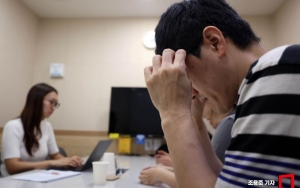
- "I Trusted YouTuber Ads and Started My Business... But Lost My Store" The Outcry of a Franchise Owner ①
-
Editor's NoteStarting a franchise business in South Korea often begins with taking on debt. Self-employed individuals fall into the trap of aggressive loan solicitations, lured by the promise of "low-capital startups" from franchises eager to expand their networks. Even when sales are made, franchisees who start with loans find it difficult to realize any actual profit. If business slows even slightly, the structure leaves them unable to endure, often leading to bankruptcy. This article examines how self-employed business owners are enticed by the bait of "low-capital startups" during the franchise process, and how excessive loans can result in dangerous consequences. Mr. Lim, who once ran a chicken franchise store, switched to an all-you-can-eat barbecue restaurant and ended up buried in debt. The loan benefits offered by the franchise headquarters to persuade him to change his business model quickly snowballed into overwhelming debt within just one year. On September 16, I met with f