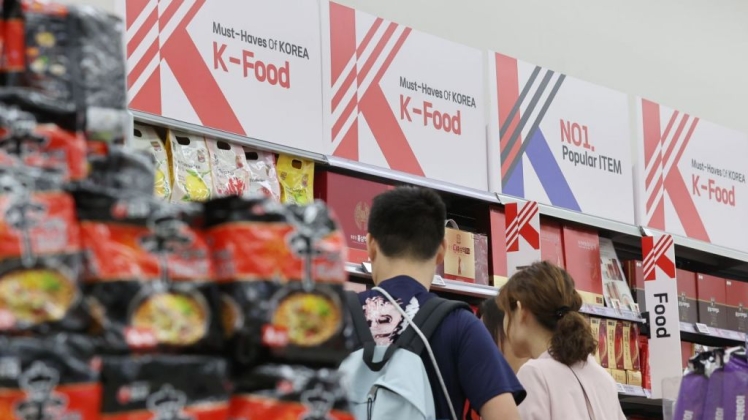
In Depth
K-Food Governance Report
-
25.08.20 11:05

- The Crisis of K-Food Lies Within
-
"Now, exports are everything." This is the unanimous sentiment emphasized by food industry insiders encountered in the field. As the domestic market stagnates and demographic structures undergo rapid change, expanding overseas has become not just a growth strategy but an urgent solution for the survival of the industry itself. In fact, K-food has achieved tangible results in a short period by leveraging the influence of Korean Wave content, the unique flavors of Korean cuisine, and a healthy, sophisticated image to win over global consumers. However, behind this dazzling success, long-standing problems persist?namely, opaque governance structures and the resulting owner risks. The global market no longer evaluates companies solely based on "good products." Management transparency and sound governance have become fundamental requirements for attracting investment and establishing business partnerships. This is why global food giants like Nestle and Unilever have separated ownership and
-
25.08.14 10:35

- The Starting Point for Changing "Shell Governance"... Introducing Minimum Free-Float Ratio ⑨
-
Editor's NoteThe global "K-Food" boom has elevated the status of Korean food companies, yet their outdated governance structures remain largely unchanged. While global brand trust is steadily rising, critics argue that management systems are still stuck in old practices, with insufficient efforts to regain investor confidence. In line with the revised Commercial Act, Asia Economy has assessed the governance of the top 20 listed food companies by market capitalization. Over a five-part series, we will analyze both quantitative and qualitative data across 10 categories?including dividend policy, treasury stock policy, dual listing structures, and board composition?and outline areas for improvement. Every May, Omaha, Nebraska in the United States becomes a pilgrimage site for global investors. This is because of the Berkshire Hathaway shareholders' meeting, led by Warren Buffett, the world's largest investment firm. The meeting is far more than a simple accounting report. It is a festival
-
25.08.14 07:11

- The Revised Commercial Act Arrives... Eight Out of Ten Food Companies Unprepared ⑧
-
Editor's NoteAlthough the global "K-Food" boom has elevated the status of Korean food companies, their outdated governance structures remain largely unchanged. While global brand credibility continues to rise, critics point out that management systems are still rooted in past practices, with insufficient efforts to restore investor trust. In line with the implementation of the revised Commercial Act, Asia Economy has assessed the governance structures of the top 20 listed food companies by market capitalization. Over the course of five articles, we will examine the results of quantitative and qualitative analyses across ten categories?including dividend policy, treasury stock policy, dual listings, and board composition?as well as identify areas for improvement. #On August 1, Kim Hongkuk, chairman of Harim Group, faced a shareholder derivative lawsuit holding him liable for fines resulting from unfair support to the second-generation owner and collusion. The Economic Reform Solidarity
-
25.08.13 10:32
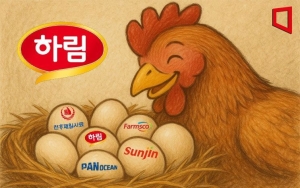
- 'Ultimate Dual Listing Empire' Harim... Kim Hongkuk's Kingdom, No Room for Shareholders ⑦
-
Editor's NoteDespite the global "K-Food" craze elevating the status of Korean food companies, their backward corporate governance structures remain unchanged. While global brand credibility continues to rise, critics point out that management systems are still stuck in outdated practices, with insufficient efforts to regain investor trust. In line with the implementation of the revised Commercial Act, Asia Economy has assessed the governance of the top 20 listed food companies by market capitalization. Over five installments, we will examine the results of a quantitative and qualitative analysis of 10 key indicators?including dividend policy, treasury stock policy, cross-listing structure, and board composition?and discuss areas for improvement. Harim Group is known for having the most complex governance structure among domestic food companies, drawing criticism from minority shareholders. Critics argue that, in the process of consolidating the controlling family's power through a conv
-
25.08.13 07:28
- Half of Food Companies Are Dual-Listed... Shields for Owner Control ⑥
-
Editor's NoteThe global "K-Food" boom has elevated the status of Korean food companies, but their outdated corporate governance structures remain largely unchanged. While global brand credibility continues to rise, critics argue that management systems are still stuck in old practices, with insufficient efforts to regain investor trust. In line with the amended Commercial Act, Asia Economy has assessed the governance of the top 20 listed food companies by market capitalization. Over five installments, we will analyze the results of our quantitative and qualitative review of 10 key indicators?including dividend policy, treasury stock policy, dual listing structure, and board composition?and discuss areas for improvement. More than half of Korea's major listed food and beverage companies are dual-listed, with both the holding company and the operating company publicly traded. Dual listings have long been cited as a key factor behind the "Korea Discount"?the undervaluation of Korean equi
-
25.08.12 09:52
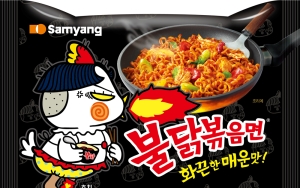
- Despite 1.5 Million Won "Emperor Stock" Status... Samyang Foods' "Buldak Craze" Earns Only a "D" for Shareholder Returns ⑤
-
Editor's NoteDespite the global "K-Food" boom elevating the status of Korean food companies, outdated governance structures remain prevalent. While global brand trust continues to rise, critics point out that management systems are still stuck in past practices, with insufficient efforts to restore investor confidence. In line with the implementation of the revised Commercial Act, Asia Economy evaluated the governance of the top 20 listed food companies by market capitalization. Over five installments, we will analyze the results and improvement tasks based on a quantitative and qualitative assessment of 10 items, including dividend payout ratio, treasury stock policy, dual listing structure, and board composition.Samyang Foods was found to have the weakest shareholder return policy among listed food and beverage companies in Korea. Despite leading the global K-Food craze with the "Buldak" phenomenon and its corporate value surpassing 1.5 million won per share this year?earning it "emp
-
25.08.12 07:52
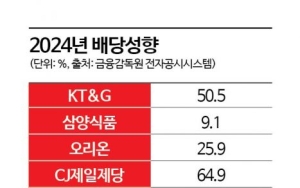
- Half of Food Companies Offer Minimal Dividends... Only Four Retire Treasury Shares ④
-
Editor's NoteDespite the global "K-food" boom elevating the status of Korean food companies, their corporate governance structures remain outdated. While global brand credibility continues to rise, critics point out that management systems are still rooted in past practices, with insufficient efforts to restore investor trust. In line with the enforcement of the revised Commercial Act, Asia Economy has assessed the governance structures of the top 20 listed food companies by market capitalization. Over the course of five reports, we will analyze both quantitative and qualitative data across ten categories?including dividend payout ratios, treasury stock policies, dual listings, and board composition?and discuss areas for improvement. Domestic food companies, notorious for their "stingy dividends," still fall far short of the global average dividend payout ratio for food companies. Only a handful have retired treasury shares?a key shareholder return policy?and many have not even formali
-
25.08.11 07:44
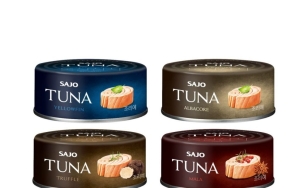
- Sajo Daerim Ranks Last: Stingy Dividends and 3% Rule Loopholes ③
-
Editor's NoteAlthough the global "K-Food" boom has raised the profile of Korean food companies, their outdated governance structures remain largely unchanged. While global brand credibility continues to rise, critics point out that management systems are still stuck in past practices, with insufficient efforts to regain investor trust. In line with the enforcement of the revised Commercial Act, Asia Economy has assessed the governance of the top 20 listed food companies by market capitalization. Over five installments, we will examine the results of a quantitative and qualitative analysis of ten criteria?including dividend policy, treasury stock management, dual listing structure, and board composition?as well as areas for improvement. Sajo Daerim received the lowest grade of D among domestic food and beverage companies in a recent governance evaluation. While the company has established formal structures such as board committees, it effectively failed in terms of operational effectiv
-
25.08.11 07:32
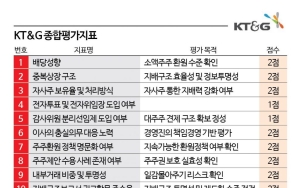
- A Conservative Company's Turnaround... KT&G's Secret to Top Scores ②
-
Editor's NoteDespite the global "K-Food" boom elevating the status of Korean food companies, their corporate governance structures remain outdated. While global brand credibility continues to rise, there is criticism that management systems are still rooted in past practices and that efforts to restore investor trust are insufficient. In line with the enforcement of the revised Commercial Act, Asia Economy has assessed the governance of the top 20 listed food companies by market capitalization. Over a series of five articles, we will examine the results of our quantitative and qualitative analysis of 10 key areas, including dividend policy, treasury stock management, dual listing structures, and board composition, as well as highlight areas for improvement. KT&G is the only company to receive an "A" grade (18 points or higher) in Asia Economy's corporate governance evaluation of the top 20 listed food and beverage companies by market capitalization. The company was recognized as a
-
25.08.11 07:24
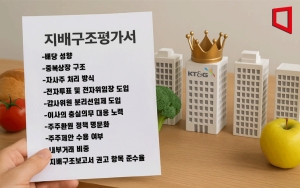
- "Even Buldak Is Not Immune"... 95% of Food Companies Receive 'C Grade' in Governance as Owner Families Maintain Control ①
-
Editor's NoteAlthough the global “K-Food” boom has elevated the status of Korean food companies, their outdated governance structures remain unchanged. While global brand trust is steadily increasing, there is criticism that management systems still rely on past practices and that efforts to regain investor confidence are insufficient. In line with the enforcement of the revised Commercial Act, Asia Economy has assessed the governance structures of the top 20 listed food companies by market capitalization. Over five installments, we will examine the results of our quantitative and qualitative analysis across 10 criteria?including dividend payout ratio, treasury stock policy, dual listing structure, and board composition?and discuss areas for improvement. Three out of ten major domestic food companies received a "D grade" (failing level) in governance evaluations. Dividend payout ratios were low, there were no plans for utilizing treasury stocks, and boards of directors continued to o